Carmakers Triumph in Initial Legal Battle Over Diesel Emissions in the UK
A major legal battle over diesel emissions saw car manufacturers winning the first round as allegations of unlawful 'defeat devices' were largely rejected by the court. This ruling could have significant implications for ongoing and future emissions litigation.

The legal landscape surrounding diesel emissions is shifting, as a recent ruling in the UK has delivered a significant victory to some of the world's largest car manufacturers. In a case that has garnered considerable attention, Judge Sara Cockerill announced her judgment on July 10, 2026, concerning allegations that several automotive giants had fitted their diesel vehicles with illegal ‘defeat devices’ designed to circumvent stringent emissions controls. This initial ruling is being closely watched, not only for its immediate implications but also for its broader ramifications on the automotive industry and consumer rights.
In a detailed analysis, Judge Cockerill largely dismissed the principal allegations against manufacturers such as Mercedes-Benz, Ford, Nissan, Renault, and Stellantis-owned brands like Peugeot and Citroen. Her ruling emphasized that the definition of a defeat device, as per emissions regulations, specifically refers to devices that intentionally alter the operational effectiveness of emissions control systems during testing cycles. This legal interpretation has raised eyebrows, particularly because it diverges from definitions applied in other European jurisdictions.
Understanding the Legal Context
This ruling emerges against the backdrop of a decade-long controversy that began with Volkswagen's infamous “Dieselgate” scandal, which revealed widespread manipulation of emissions testing. The fallout from that scandal cost Volkswagen billions and sparked a broader examination of diesel emissions across the automotive industry. The current case, however, is distinct, with manufacturers arguing that their emissions control systems were functioning legitimately and that the circumstances under which they operated were compliant with existing regulations.
The Core Allegations
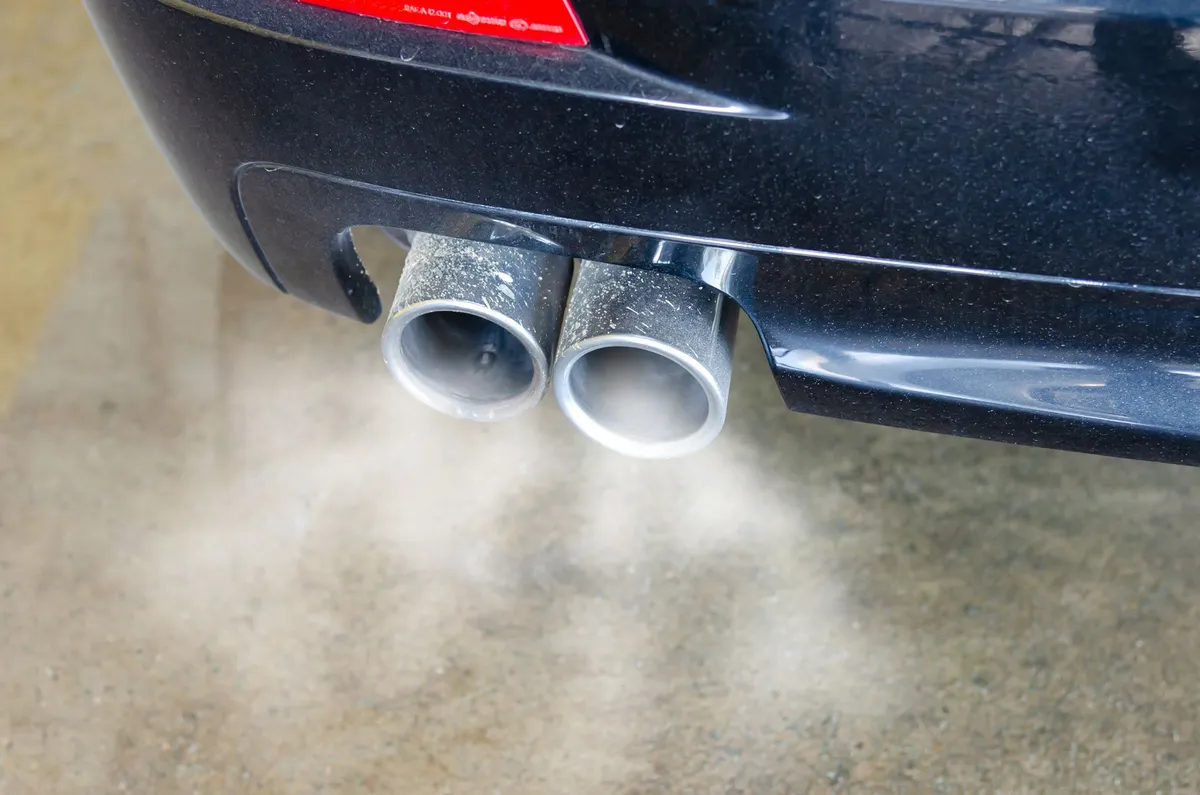
The case examined 20 vehicles from several manufacturers, focusing on whether they were equipped with defeat devices that would ensure favorable emissions results during testing while allowing higher emissions during normal driving conditions. Judge Cockerill’s ruling acknowledged some adverse findings, notably regarding a coolant temperature device used in certain Mercedes vehicles, which was removed in a 2015 update. However, she concluded that this device did not significantly undermine the overall effectiveness of the emissions control system.
Impacts on Consumers and the Automotive Industry
The implications of this ruling extend far beyond the courtroom. Approximately 1.6 million claimants are involved in this legal battle, and the outcome will likely affect many consumers who purchased diesel vehicles under the assumption they met stringent emissions standards. The court’s ruling on the test cases will also influence nearly 800,000 additional claims against various carmakers, raising questions about consumer trust and the future of diesel vehicles in the market.
Consumer Rights and Legal Recourse
For consumers, understanding their rights in the wake of this ruling is crucial. Those who believe they have been misled or harmed by the emissions practices of these manufacturers may still have legal options. While the judge’s ruling may offer a temporary setback for claimants, their legal representatives are considering appeals, arguing that the narrow interpretation of the law adopted by the court could hinder broader accountability for manufacturers.
- Legal Representation: Consumers should seek legal advice if they believe they have grounds for a claim.
- Class Actions: Many claimants may consider joining class-action lawsuits to leverage their collective bargaining power.
- Stay Informed: It’s essential for consumers to keep abreast of developments in this ongoing legal saga.

Looking Ahead: Future Trials and Outcomes
The legal battle is far from over. A subsequent trial is scheduled to commence in October 2026, focusing on the implications of any breaches of emissions regulations and assessing whether claimants are entitled to damages. This forthcoming trial is crucial, as it will clarify the responsibilities of manufacturers and potentially set precedents for similar cases in the future.
The Broader Legal Landscape
This case in the UK is part of a larger global movement toward stricter emissions regulations and accountability for manufacturers. As more jurisdictions tighten their regulations, the legal interpretations adopted in this case may influence future litigation in Europe and beyond. Automakers are under increasing pressure to demonstrate compliance, not only for regulatory purposes but also to restore consumer confidence in their brands.
Key Takeaways
- The UK court ruling largely favors major car manufacturers in diesel emissions lawsuits.
- Judge Cockerill’s interpretation of ‘defeat devices’ may impact ongoing and future litigation.
- Consumers affected by emissions practices should seek legal counsel and stay informed on developments.
- Further trials will assess potential damages and clarify manufacturer responsibilities.
- This ruling is part of a broader context of increasing scrutiny of emissions regulations globally.
Frequently Asked Questions
What exactly are ‘defeat devices’ in the context of diesel emissions?
Defeat devices are mechanisms installed in vehicles designed to detect when an emissions test is being conducted and adjust the vehicle’s performance to meet regulatory standards. In essence, they allow the vehicle to emit lower levels of pollutants during testing than during regular driving conditions. The legality of these devices hinges on whether they are deemed to operate with the intention of circumventing emissions regulations.
How can consumers affected by this ruling seek recourse?
Consumers who feel misled by the emissions practices of car manufacturers should consider consulting with legal experts specializing in consumer rights and auto emissions cases. They may have grounds to join class-action lawsuits or file individual claims, depending on their specific circumstances. It’s essential to document any relevant information and stay updated on the progression of ongoing legal battles.
What are the implications of this ruling for the future of diesel vehicles?
This ruling may signal a shift in how diesel vehicles are perceived by consumers and regulators alike. If manufacturers can successfully argue that their emissions systems comply with regulations, it could bolster the market for diesel vehicles. However, if further trials reveal significant breaches of emissions standards, this could lead to increased scrutiny and potential regulations that could limit or phase out diesel vehicles altogether.
What should consumers keep in mind moving forward?
As this legal battle continues, consumers should remain vigilant about their rights and the implications of ongoing emissions litigation. Staying informed about developments in the case and understanding the legal landscape surrounding diesel emissions will be crucial in making informed decisions about vehicle purchases and potential claims.
Comments
Navigating Business Interruption Insurance After NYC Construction Incident
Recent construction-related threats in Midtown Manhattan raise critical questions about business interruption coverage. Understanding policy intricacies could be crucial for affected businesses seeking recovery.

Related articles





Popular in Business Insurance
- Surging War-Risk Insurance Rates in the Strait of Hormuz: What It Means for Shipping
- Ross & Yerger Insurance Faces Class Action Over Data Breach Allegations
- Sompo Expands U.S. Workers' Compensation Portfolio with Service Insurance Acquisition
- Legal Battle Unfolds Over $1 Million Truck Crash Insurance Payout
- Howden Group's Ambitious Journey Toward IPO and Expansion