Roofer's Coverage Denied After Fatal Collapse: Lessons from a Legal Battle
An Illinois roofer faced a significant setback in insurance coverage after a tragic facade collapse. This case underscores the importance of understanding policy exclusions and their implications.

In a sobering reminder of the precarious balance between business operations and insurance coverage, the Illinois roofing contractor Bee Quality Inc. found itself embroiled in a legal battle that ended in tragedy. Following a fatal facade collapse that claimed the lives of two men, Bee Quality sought coverage from its insurer, Nautilus Insurance Company. However, the Seventh Circuit Court of Appeals ruled that the contractor's claims were barred under a specific policy exclusion, illuminating key aspects of commercial general liability (CGL) insurance that every contractor should heed.
Understanding the nuances of insurance policies—especially the implications of exclusions—can be the difference between financial ruin and continued operation for contractors. This case, which unfolded in the courts of Illinois, serves as a cautionary tale about the critical importance of fully grasping the terms of coverage, particularly in relation to the timing of work performed.
Background of the Case
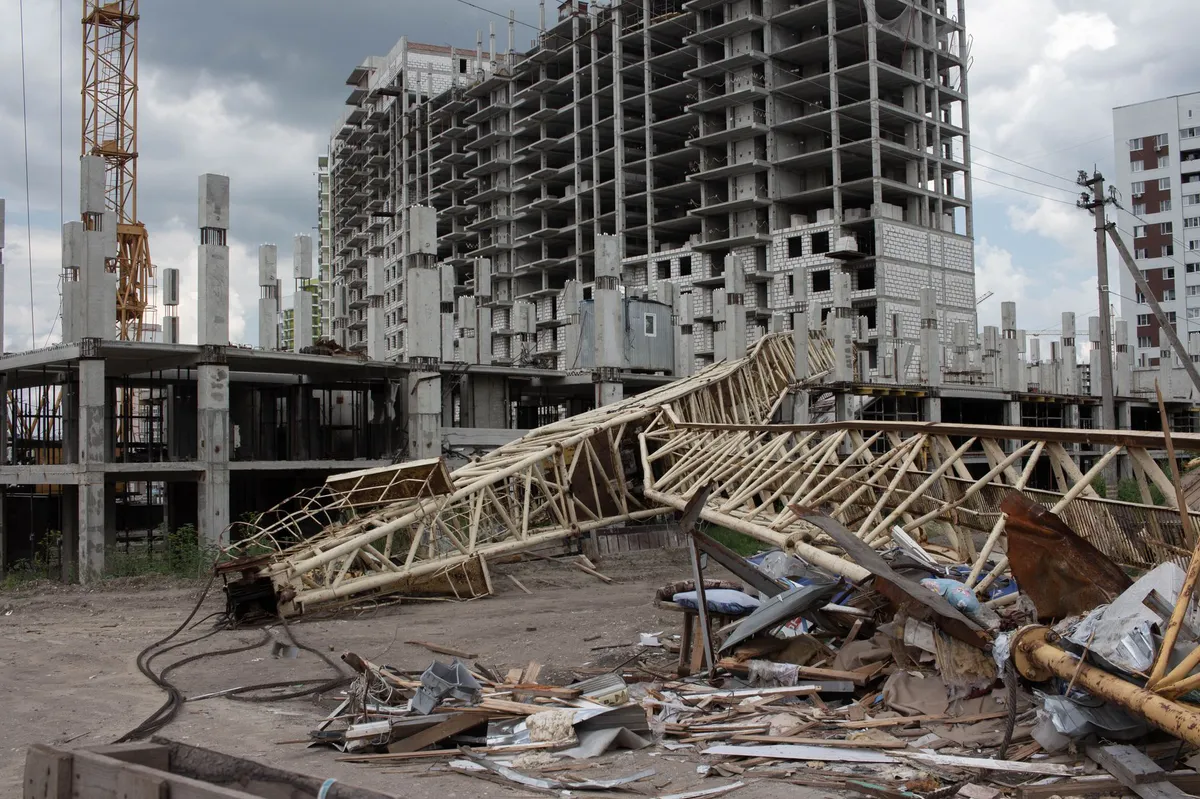
The events leading up to the court's decision began on August 2, 2020, when a windstorm wreaked havoc on a structure in Chicago, prompting Bee Quality to undertake repair work. Fast forward to April 12, 2022, when the repaired facade unexpectedly collapsed, resulting in the tragic deaths of two men. Their estates subsequently filed a lawsuit against Bee Quality, claiming the contractor had acted negligently in its repair efforts.
Bee Quality, facing significant legal and financial repercussions, turned to Nautilus for a defense under its commercial general liability policy, valid from February 8, 2022, to February 8, 2023. This policy included coverage for “completed operations,” which typically protects contractors against claims arising from work they completed during the policy period. However, a key endorsement in the policy, known as the Prior Work Exclusion, explicitly barred coverage for any damages stemming from work that was completed before the policy's inception date.
Understanding the Prior Work Exclusion
The Prior Work Exclusion is a common feature in many CGL policies, designed to limit the insurer's liability for claims arising from past work. In this case, Bee Quality's admissions played a pivotal role. The contractor acknowledged that the repair work on the building was finished by December 2020, well before the policy's effective date. This admission effectively sealed its fate; the Seventh Circuit upheld that Nautilus had no obligation to defend or indemnify Bee Quality in the ensuing litigation.
The Court’s Rationale
The court's decision revolved around the interpretation of the policy and the implications of the Prior Work Exclusion. Illinois courts have a well-established precedent concerning insurance exclusions, which state that an exclusion is considered “illusory” only when it negates all coverage. Bee Quality's argument—that the exclusion rendered its coverage meaningless—was dismissed because the policy still provided coverage for work performed after the policy's effective date.
This nuanced understanding underscores how crucial it is for contractors to be aware of the details in their insurance policies. The ruling emphasized that partial coverage does not equate to a total lack of coverage, and as long as some coverage exists, exclusions can be fully upheld.

Implications for Contractors
This case carries significant implications for contractors and business owners across the United States. Here are several key takeaways that should inform how contractors approach their insurance needs:
- Thorough Policy Review: Contractors should conduct detailed reviews of their insurance policies, paying particular attention to exclusions like the Prior Work Exclusion. Understanding these clauses can prevent unpleasant surprises during claims.
- Document Work Timelines: Keeping meticulous records of when work is performed can be critical, as admissions regarding the timing of work can directly impact coverage eligibility.
- Seek Legal Guidance: Engaging with insurance professionals or legal advisors who specialize in commercial liability can provide invaluable insights into navigating complex policies.
- Negotiate Coverage Terms: Contractors should be proactive in negotiating their insurance terms, potentially seeking endorsements that minimize or eliminate exclusions that could affect their operations.
Legal and Market Context
The ruling also highlights the broader legal context in which insurance operates. Insurers often draft policies with various exclusions to limit their exposure to high-risk activities or claims, particularly in industries like construction where the potential for catastrophic losses is significant. The insurance landscape is influenced by a myriad of factors, including state regulations, market conditions, and emerging risks, all of which can shape the terms and availability of coverage.
In Illinois, the legal precedent established by this case reinforces the notion that exclusions, when clearly articulated, can withstand challenges from policyholders. This serves as a cautionary note for contractors not only in Illinois but across the nation, emphasizing the need for vigilance in understanding their coverage.
Key Takeaways
- Contractors must understand the implications of policy exclusions, especially the Prior Work Exclusion.
- Timely documentation of work performed is crucial for establishing coverage eligibility.
- Engaging with insurance experts can help navigate complex policy language.
- Negotiating coverage terms can help mitigate risks associated with exclusions.
Frequently Asked Questions
What is a Prior Work Exclusion?
A Prior Work Exclusion is a clause in an insurance policy that limits coverage for any claims arising from work that was completed before the policy's effective date. This means that if a contractor performed work prior to the start of their insurance policy, they may not be covered for any incidents related to that work, even if the policy would otherwise provide coverage for similar work done after the policy began.
How can contractors protect themselves from exclusions like this?
Contractors can protect themselves by carefully reviewing their insurance policies, ensuring they understand all exclusions, and maintaining detailed records of their work timelines. Additionally, seeking legal and insurance professional advice can help contractors negotiate better terms and understand their coverage options more fully.
What should a contractor do if they're facing a denied claim?
If a contractor faces a denied claim, it is essential to first review the policy to understand the grounds for the denial. Consulting with an insurance attorney can provide guidance on whether the denial was valid and what actions can be taken, including potentially appealing the decision or pursuing litigation against the insurer.
Comments
Navigating Business Interruption Insurance After NYC Construction Incident
Recent construction-related threats in Midtown Manhattan raise critical questions about business interruption coverage. Understanding policy intricacies could be crucial for affected businesses seeking recovery.

Related articles






Popular in Business Insurance
- Surging War-Risk Insurance Rates in the Strait of Hormuz: What It Means for Shipping
- Ross & Yerger Insurance Faces Class Action Over Data Breach Allegations
- Sompo Expands U.S. Workers' Compensation Portfolio with Service Insurance Acquisition
- Legal Battle Unfolds Over $1 Million Truck Crash Insurance Payout
- Howden Group's Ambitious Journey Toward IPO and Expansion