New York Times Countersues EEOC in Landmark DEI Lawsuit
The New York Times has filed a countersuit against the EEOC, alleging retaliation over diversity policies and challenging the legality of the agency's actions. This case highlights broader tensions surrounding diversity, equity, and inclusion efforts in the workplace.
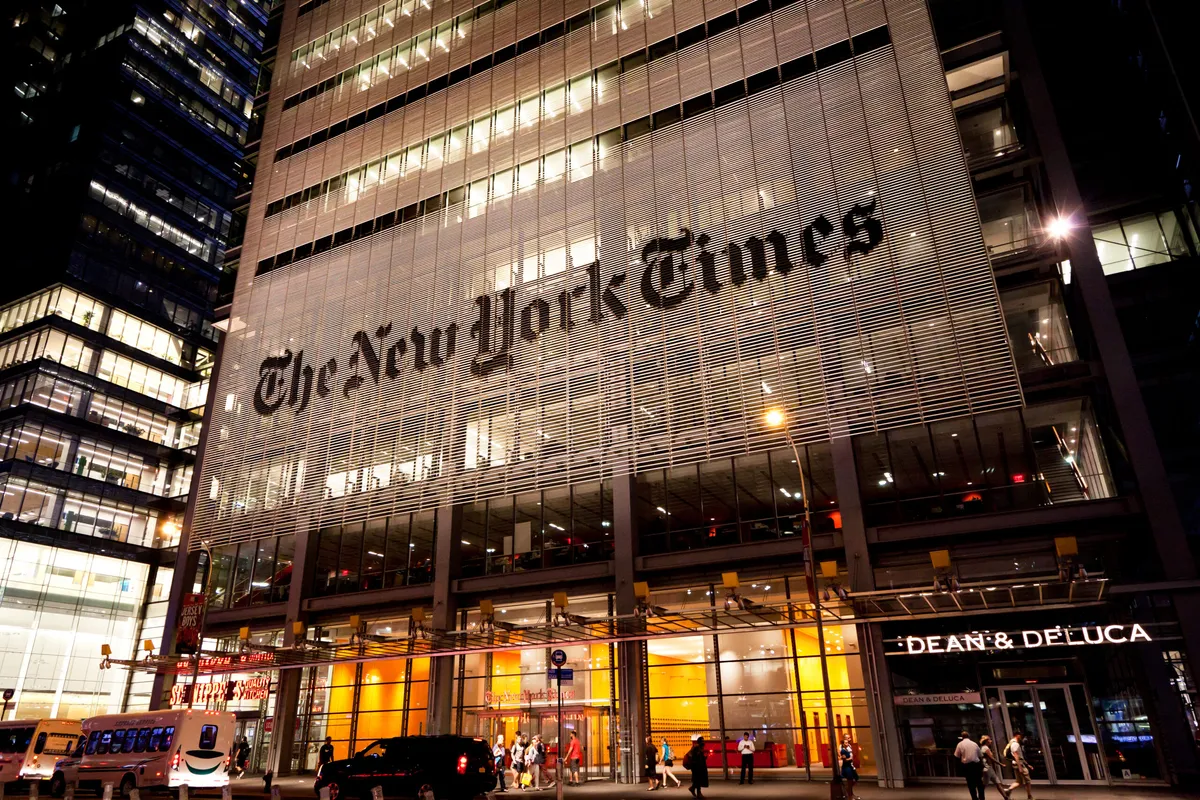
The legal landscape surrounding diversity, equity, and inclusion (DEI) initiatives has become increasingly contentious, with the New York Times at the forefront of a notable legal battle against the U.S. Equal Employment Opportunity Commission (EEOC). In a countersuit filed in Manhattan federal court, the Times has accused the EEOC of retaliating against the newspaper due to its critical coverage of former President Donald Trump's administration. This countersuit not only seeks to dismiss the EEOC's original lawsuit but also challenges the agency's authority and actions as unconstitutional.
This unfolding case stems from the EEOC's assertion that the Times discriminated against Bryant Rousseau, a white male journalist who was passed over for a deputy editor position in favor of a lesser-qualified multiracial woman. As the EEOC intensifies its scrutiny of DEI policies across various sectors, this case represents a pivotal moment that could influence the future of workplace diversity initiatives nationwide.
Background on the EEOC Lawsuit
The EEOC's lawsuit against the New York Times was filed in May, alleging that Rousseau, an 11-year veteran of the Times, was unfairly denied a promotion due to the newspaper's diversity goals. According to the EEOC, the Times had been actively trying to enhance its diversity, aiming for a more representative newsroom by prioritizing hires and promotions of Black, Hispanic, and female candidates. This was supposedly in line with efforts initiated under the previous administration, which sought to promote diversity in workplaces across the country.
The EEOC's position is that despite Rousseau's qualifications, he was not considered for the final selection for the deputy real estate editor role, where a candidate with allegedly less experience was chosen. The Times, however, staunchly denies these claims, asserting that the selected candidate was indeed better qualified for the position.

The New York Times' Countersuit
In its countersuit, the New York Times is not only defending its hiring practices but also asserting that the EEOC's actions constitute an infringement of its rights to free speech and due process as guaranteed by the U.S. Constitution. The newspaper's legal representatives argue that the EEOC's lawsuit represents a retaliatory action stemming from the Times' critical reporting on Trump, who has publicly denounced the newspaper as "the enemy of the people."
The countersuit seeks several remedies, including the dismissal of the EEOC's claims and a declaration affirming the newspaper's right to operate independently without governmental interference. This highlights a broader concern regarding the potential chilling effect that government inquiries and lawsuits could have on journalistic freedom and the broader implications for press independence.

Implications for Diversity Initiatives
The legal battle between the New York Times and the EEOC comes at a time of heightened scrutiny regarding DEI policies across various sectors. Under the Trump administration, executive orders were issued aimed at curtailing DEI programs in government and private sectors, and the current EEOC under President Biden has ramped up enforcement actions against companies perceived to be violating anti-discrimination laws in favor of diversity.
As the Times countersues, it sheds light on the complexities of implementing DEI initiatives. Companies face the challenge of balancing aspirations for a diverse workforce while ensuring compliance with anti-discrimination laws. Critics argue that aggressive diversity efforts can lead to reverse discrimination, while advocates maintain that such initiatives are essential for rectifying longstanding inequities in hiring and promotion practices.
Broader Context of Workplace Diversity
The EEOC's lawsuit against the New York Times is part of a larger trend of litigation surrounding DEI policies. The agency has also launched investigations into other major corporations, including Nike and Northwestern Mutual Life Insurance, as it scrutinizes their diversity efforts. The implications of these actions extend beyond individual companies; they could set precedents that affect how businesses nationwide implement diversity initiatives.
Additionally, this case raises critical questions about the role of government in regulating workplace diversity. As organizations navigate the complexities of DEI, they must be aware of both state and federal regulations that can impact hiring practices. Companies are encouraged to adopt clear policies that promote diversity while safeguarding against potential discrimination claims from employees.

What Should Companies Do?
In light of the ongoing legal challenges surrounding DEI initiatives, companies must take proactive steps to ensure their diversity policies are both effective and compliant with legal standards. Here are some recommended actions:
- Conduct Regular Assessments: Periodically evaluate diversity hiring practices and outcomes to identify areas for improvement.
- Implement Transparent Processes: Ensure that hiring and promotion processes are transparent and well-documented to defend against potential claims.
- Provide Training: Offer training for employees and management on diversity, equity, and inclusion to foster a more inclusive workplace environment.
- Consult Legal Experts: Engage legal counsel to navigate the complexities of employment law and ensure compliance with both state and federal regulations.
- Encourage Open Dialogue: Foster an environment where employees feel comfortable discussing diversity-related issues and concerns.
Key Takeaways
- The New York Times has countersued the EEOC, alleging retaliation and violating its constitutional rights.
- The EEOC's lawsuit is part of a broader crackdown on workplace diversity initiatives across various sectors.
- This case raises critical questions about the future of DEI policies and their legal implications for companies.
- Organizations should proactively assess their diversity policies to ensure compliance and effectiveness.
Frequently Asked Questions
What are DEI policies?
Diversity, Equity, and Inclusion (DEI) policies are initiatives implemented by organizations to promote a diverse workforce, ensure equitable treatment of employees, and foster an inclusive work environment. These policies often focus on recruiting, hiring, and promoting individuals from historically underrepresented groups, including people of color, women, and members of the LGBTQ+ community.
Why is the New York Times suing the EEOC?
The New York Times is countersuing the EEOC for what it claims is illegal retaliation stemming from the EEOC's lawsuit against the newspaper. The Times argues that the EEOC is targeting it due to the newspaper's critical coverage of the Trump administration and that the lawsuit infringes on its rights to free speech and due process.
What are the potential implications of this case?
This case could set important precedents for how companies implement and manage DEI policies moving forward. A ruling in favor of the Times may embolden other organizations to challenge governmental overreach in diversity initiatives, while a ruling in favor of the EEOC could lead to stricter enforcement of diversity regulations across various sectors.
How can companies navigate DEI initiatives amid legal challenges?
Companies can navigate the complexities of DEI initiatives by conducting regular assessments of their diversity practices, ensuring transparency in hiring and promotion processes, and providing training on diversity issues. Additionally, consulting legal experts can help organizations maintain compliance with anti-discrimination laws while striving to create a more inclusive workplace.
Comments
Navigating Business Interruption Insurance After NYC Construction Incident
Recent construction-related threats in Midtown Manhattan raise critical questions about business interruption coverage. Understanding policy intricacies could be crucial for affected businesses seeking recovery.

Related articles





Popular in Business Insurance
- Surging War-Risk Insurance Rates in the Strait of Hormuz: What It Means for Shipping
- Ross & Yerger Insurance Faces Class Action Over Data Breach Allegations
- Sompo Expands U.S. Workers' Compensation Portfolio with Service Insurance Acquisition
- Legal Battle Unfolds Over $1 Million Truck Crash Insurance Payout
- Howden Group's Ambitious Journey Toward IPO and Expansion