Navigating the AI Revolution: Balancing Technology and Talent Investment
As organizations rapidly adopt AI technologies, a critical choice arises: view AI as a workforce investment or a cost-cutting tool. This decision shapes employee trust, retention, and productivity. Explore how Canadian companies can bridge the AI confidence gap and foster a culture of growth.
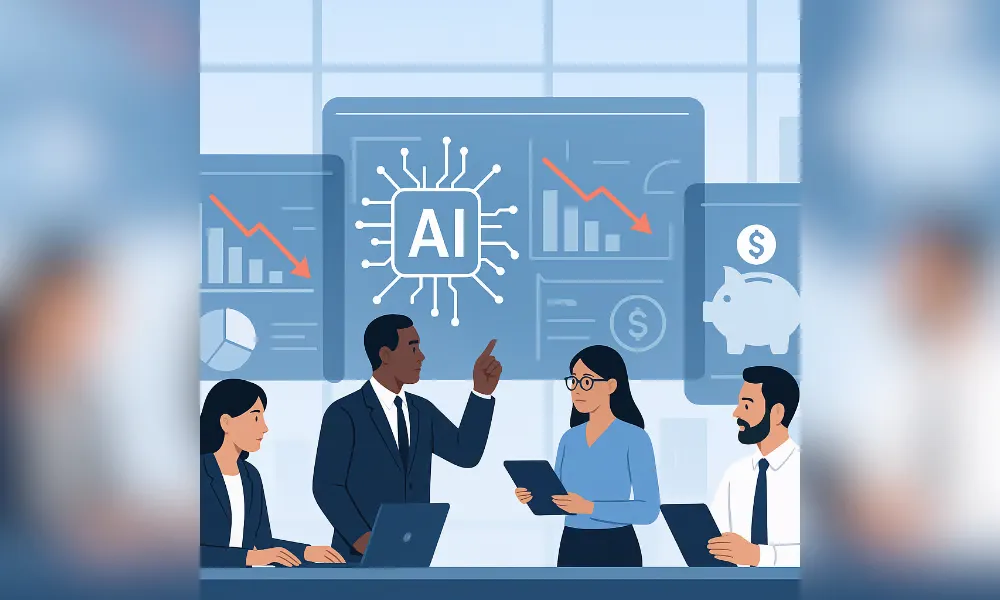
The rapid integration of artificial intelligence (AI) into the workforce has sparked a pivotal conversation among Canadian organizations: is AI a means of investing in human capital or simply a tool for cost-cutting? As businesses accelerate their AI adoption, the repercussions of this choice are becoming increasingly visible. Issues such as talent trust, retention risk, and a growing disconnect between organizational confidence and employee experience are raising alarms. Brent Dul, Executive Vice-President at Randstad Canada, emphasizes that treating AI purely as a mechanism for reducing headcount is a short-sighted approach that can alienate employees and deepen a growing confidence gap.
In a landscape where 98% of Canadian employers express optimism about growth, only 49% of workers share that sentiment, according to Randstad's 2026 Work Monitor. This disparity highlights a troubling reality: while companies may be investing heavily in AI, many employees feel that these initiatives primarily benefit the organization rather than enhance their own work experience. Understanding how to navigate this AI confidence gap is essential for HR leaders aiming to cultivate a resilient and engaged workforce.
The AI Confidence Gap: A Growing Concern
The disconnect between employer aspirations and employee perceptions is stark. Nearly half of Canadian office workers—46%—believe that the adoption of AI is more about benefiting companies than improving their own work lives. This sentiment reflects a broader trend observed globally, where 62% of workers acknowledge AI's positive impact on productivity. However, in Canada, this figure drops to just 57%, and only 44% of employers feel that AI has tangibly increased productivity within their organizations. These numbers suggest that Canadian workplaces are grappling with an underlying trust deficit that their international counterparts are less affected by.
Bridging this AI confidence gap requires a concerted effort from employers to not only adopt AI technologies but to also prioritize the upskilling of their workforce. Dul notes that while 62% of Canadian talent feel confident using new technologies, this should not be misconstrued as an indication that upskilling initiatives have already achieved their goals. Rather, it signals a need for ongoing investment in employee development to ensure that the workforce can keep pace with technological advancements.

Upskilling: The Key to Successful AI Integration
For organizations to succeed in their AI transformation, they must actively engage in upskilling their employees and communicate a clear AI roadmap. Dul argues that companies that approach AI implementation with a dual focus on technology and talent development are more likely to enjoy sustained success. This investment in human capability, he asserts, is not merely a philosophical choice but one that produces measurable outcomes in employer branding, talent mobility, and productivity.
Short-sighted Cost-Cutting vs. Strategic Investment
Employers who view AI solely as a tool for reducing headcount may experience short-term financial gains. However, Dul warns that the long-term costs associated with employee turnover, recruitment, and the loss of institutional knowledge often overshadow any immediate savings. Moreover, a workforce that perceives AI as a threat to job security is likely to experience high turnover rates, as employees seek more stable environments. This is especially critical in the current labor market, where work-life balance is the primary reason Canadian workers choose to remain in their roles, cited by 43% of respondents.
The Role of Leadership in AI Adoption
Leadership plays a crucial role in shaping the narrative around AI adoption. Dul emphasizes that accountability for effectively balancing AI integration with human investment should not rest solely with HR departments. Instead, a collaborative approach involving operational leaders is essential. By fostering strong partnerships between HR and operational teams, organizations can create a more holistic strategy that addresses both technological needs and employee concerns.
Organizations that successfully integrate AI with a focus on people investment are likely to enhance their employer brand, making them more attractive to top talent. Companies must cultivate a reputation for providing job security, competitive compensation, and career growth opportunities alongside technological advancements. Those that fail to do so risk damaging their brand and losing valuable employees.

Real-World Examples of Successful AI Integration
One illustrative case involves a manufacturing company that successfully implemented an AI copilot for its maintenance team. Rather than cutting back on maintenance personnel, the company used AI to augment their capabilities, transforming mechanical technicians into data-literate maintenance experts. This proactive approach allowed the team to anticipate equipment failures, enhancing overall productivity without sacrificing jobs. Such examples demonstrate that AI can be a powerful ally in improving workforce efficiency when approached with the right mindset.
Long-Term Benefits of Employee Investment
Investing in employee development alongside AI adoption can yield significant long-term benefits. Companies that prioritize upskilling and create transparent learning paths for their employees are likely to see a more engaged workforce, increased productivity, and higher retention rates. This holistic approach not only enhances the employee experience but also positions organizations as market leaders.

Key Takeaways
- AI as an Investment: Treat AI adoption as a workforce investment rather than a cost-cutting measure to foster employee trust.
- Bridging the Confidence Gap: Address the disconnect between employer optimism and employee skepticism through active upskilling and transparent communication.
- Collaboration is Key: Foster partnerships between HR and operational leaders to create a cohesive AI strategy that prioritizes both technology and talent.
- Real-World Successes: Learn from organizations that successfully integrate AI with employee development to enhance productivity and job security.
Frequently Asked Questions
How can organizations effectively communicate their AI strategy to employees?
Clear and transparent communication is essential for ensuring that employees understand the organization's AI strategy and its implications for their roles. Employers should regularly update their teams on the objectives of AI initiatives, how these technologies will be integrated into workflows, and the benefits for employees. Engaging employees in the conversation and soliciting their feedback can also help to build trust and reduce anxiety surrounding AI adoption.
What are the risks of using AI primarily as a cost-cutting tool?
Using AI strictly as a cost-cutting measure can lead to significant risks, including decreased employee morale, increased turnover, and a weakened employer brand. When employees perceive AI as a threat to their job security, it can create a culture of fear and disengagement. In the long run, the costs associated with turnover and recruitment often outweigh the initial savings achieved through headcount reduction.
What role do HR and operational leaders play in AI adoption?
HR and operational leaders must work collaboratively to ensure that AI adoption aligns with the organization's goals and addresses employee needs. While HR can provide insights into workforce development and training, operational leaders can offer valuable perspectives on how AI will impact day-to-day operations. This partnership is critical for creating a balanced approach that prioritizes both technology and talent investment.
How can organizations measure the success of their AI initiatives?
Success metrics for AI initiatives should include both quantitative and qualitative measures. Organizations can track productivity improvements, employee retention rates, and overall employee satisfaction to gauge the effectiveness of their AI strategies. Regular surveys and feedback mechanisms can also provide insights into employee perceptions of AI adoption and its impact on their work experience.
Comments
Pooled Employer Plans Surge: A New Era for Small Businesses
The pooled employer plan (PEP) market has dramatically expanded, exceeding $34 billion in assets as small employers increasingly adopt this innovative retirement solution. This article explores the implications of this growth for employers and the landscape of retirement planning.

Related articles






Popular in Business Insurance
- Surging War-Risk Insurance Rates in the Strait of Hormuz: What It Means for Shipping
- Ross & Yerger Insurance Faces Class Action Over Data Breach Allegations
- Sompo Expands U.S. Workers' Compensation Portfolio with Service Insurance Acquisition
- Legal Battle Unfolds Over $1 Million Truck Crash Insurance Payout
- Howden Group's Ambitious Journey Toward IPO and Expansion