Nike Under Fire: The Investor Challenge on Gender-Transition Surgery for Minors
Nike is facing significant pressure from conservative investors to halt coverage of gender-transition surgeries for minors in its health insurance plans. The campaign led by Inspire Investing highlights the growing tensions between corporate diversity initiatives and shareholder interests.
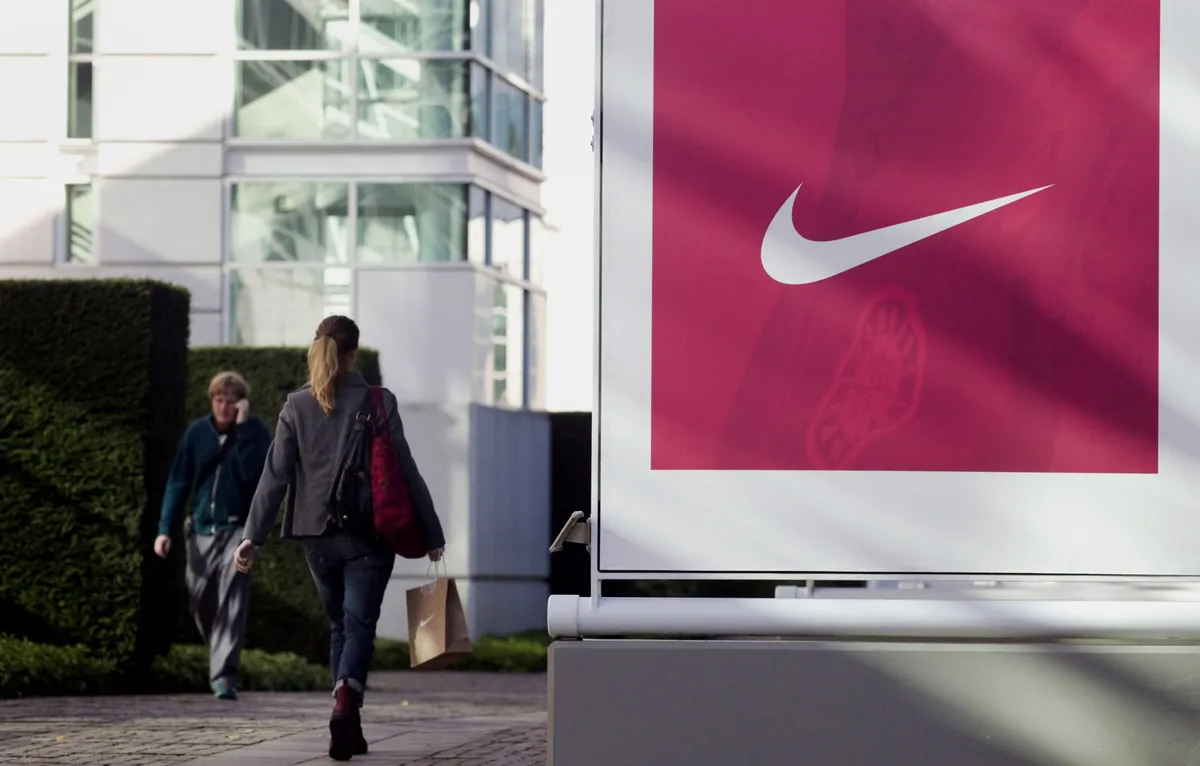
The corporate landscape is increasingly becoming a battleground for social issues, with investors seeking to influence company policies on sensitive topics. Nike Inc., a global leader in sports apparel and equipment, now finds itself in the crosshairs of a conservative campaign demanding an end to coverage for gender-transition surgeries for minors in its employee health plans. This challenge, spearheaded by Inspire Investing—a firm managing $5.4 billion—comes at a precarious time for Nike, which is grappling with declining sales and an ongoing investigation by the Equal Employment Opportunity Commission (EEOC) regarding its diversity, equity, and inclusion (DEI) practices.
As societal views on gender identity and healthcare for transgender individuals evolve, the implications for businesses offering gender-affirming care are complex and rife with controversy. Inspire Investing, along with entities such as the Southern Baptists and the state of Nebraska, is pressing 242 major employers, including Nike, to reconsider their policies, arguing that providing insurance for these surgeries could expose companies to legal ramifications and reputational harm. This article delves into the intricacies of this issue, examining the motivations behind these investor actions, the potential repercussions for Nike, and the broader implications for corporate America.

The Investor Campaign Against Gender-Transition Surgery
Inspire Investing's campaign is not merely a call for policy change; it reflects a growing movement among conservative shareholders to scrutinize corporate practices that they believe conflict with their values. This group has already successfully pressured Walmart and Charles Schwab to confirm that they no longer cover gender-transition surgeries for minors, and they are now focused on Nike.
At Nike's upcoming annual shareholder meeting, a former college soccer player is set to present a proposal that argues the company risks legal exposure by endorsing gender-affirming surgeries for minors. The stakes are high: with more than half of U.S. states enacting bans on gender-affirming care for minors, the potential for lawsuits and public backlash looms large for companies that choose to support such treatments.
Legal and Financial Implications
Proponents of the investor campaign assert that their concerns are rooted in financial prudence. They argue that companies could face significant legal challenges and negative publicity if they cover surgeries that are increasingly becoming contentious in the political arena. Inspire's director of corporate engagement, Tim Schwarzenberger, emphasizes the need for transparency, stating, "We think shareholders have a right to know, have a right to transparency."
In contrast, advocates for gender-affirming care highlight the life-saving potential of these procedures for transgender youth. The American Medical Association and the American Academy of Pediatrics have both endorsed a case-by-case approach for such care, underscoring the importance of allowing families and medical professionals to make informed decisions.

The Impact on Corporate Policies
The push from Inspire and other conservative groups has left many companies in a precarious position. Historically, high scores on the Human Rights Campaign's (HRC) Corporate Equality Index were viewed as a badge of honor, demonstrating a commitment to diversity and inclusion. However, the political climate has shifted, leading some companies, including Tractor Supply Co. and Walmart, to withdraw from the index altogether. Participation in the index has plummeted by nearly two-thirds, reflecting the pressure companies face from conservative activists.
Jonathan Lovitz, a senior vice president at HRC, notes that this trend doesn't necessarily indicate a change in internal policies but rather a reluctance to publicly disclose LGBTQ+ practices amidst political pressure. The results of this investor campaign could have lasting ramifications for corporate America, as companies navigate the fine line between upholding their values and responding to shareholder concerns.

Nike's Response and Future Prospects
Nike is actively urging its shareholders to reject the proposal by Inspire, asserting that its existing policies already align with the best interests of investors. The company has pointed to its established charitable-giving practices and due diligence processes in assessing its relationships with advocacy groups like the HRC. The board's stance is that additional reports on charitable contributions and potential risks tied to its DEI initiatives would be a misallocation of resources.
However, the backdrop of Nike's current challenges exacerbates the situation. The company has recently seen its stock prices plummet to a 12-year low, and its financial performance is on track for its worst year since 1993. Adding to this issue is the ongoing EEOC investigation into allegations of systemic racial discrimination, which has raised questions about its DEI initiatives. The investor pressure regarding gender-transition surgeries may further complicate Nike's efforts to navigate these multifaceted challenges.
Shareholder Sentiment and Market Trends
Despite the heightened attention on this issue, recent proxy seasons suggest that broader shareholder sentiment remains largely opposed to proposals targeting diversity and inclusion initiatives. The overwhelming rejection of Inspire's previous proposals at major corporations indicates that while conservative activists are vocal, they have yet to garner substantial support among the broader investor community.
Moreover, while the number of U.S. companies achieving a perfect score on the HRC equality index has declined, more than 530 companies still hold that distinction. This suggests that a significant segment of corporate America remains committed to upholding diversity and inclusion standards, even amid external pressures.

Key Takeaways
- Nike faces pressure from conservative investors to withdraw coverage for gender-transition surgeries for minors.
- Inspire Investing has successfully influenced other major companies like Walmart and Charles Schwab to change their policies.
- Legal risks and reputational damage are key concerns cited by conservative investors.
- Advocates argue that gender-affirming care can be critical for transgender youth.
- Nike's stock performance is under scrutiny amid ongoing investigations and market challenges.
Frequently Asked Questions
What is Inspire Investing’s main goal in targeting Nike?
Inspire Investing aims to influence corporate policies regarding gender-affirming surgeries for minors. By pressuring Nike and other major companies to withdraw such coverage, they believe that these firms will mitigate potential legal risks and reputational damage associated with supporting gender-transition procedures for young individuals. The group's broader ambition is to promote conservative values in corporate America by challenging what they see as overreaching diversity and inclusion initiatives.
How does this issue affect shareholders and investors?
The controversy surrounding gender-affirming surgeries for minors has significant implications for shareholders and investors. Conservative investors argue that by covering these procedures, companies like Nike may be exposed to legal liabilities and public backlash, which could ultimately harm financial performance and shareholder value. Conversely, proponents of gender-affirming care contend that such coverage is essential for supporting the health and well-being of transgender youth, which can lead to a more inclusive and engaged workforce.
What are the broader implications for corporate America?
This situation highlights a growing divide within corporate governance, where social issues increasingly intersect with financial performance and investor interests. As companies navigate the pressures from both conservative and progressive factions, they must carefully balance their commitments to diversity and inclusion with the need to appease shareholders. The outcome of this investor challenge may set a precedent for how other companies approach similar controversies in the future.
How have other companies responded to similar pressures?
Other companies facing similar pressures have taken various approaches. Some, like Walmart and Tractor Supply Co., have withdrawn from surveys like the HRC's Corporate Equality Index to avoid potential backlash. Meanwhile, others have maintained their commitments to diversity and inclusion, emphasizing their values and the importance of supporting underrepresented communities. The mixed responses underscore the complexity of corporate decision-making in an increasingly polarized environment.
Comments
Pooled Employer Plans Surge: A New Era for Small Businesses
The pooled employer plan (PEP) market has dramatically expanded, exceeding $34 billion in assets as small employers increasingly adopt this innovative retirement solution. This article explores the implications of this growth for employers and the landscape of retirement planning.

Related articles






Popular in Business Insurance
- Surging War-Risk Insurance Rates in the Strait of Hormuz: What It Means for Shipping
- Ross & Yerger Insurance Faces Class Action Over Data Breach Allegations
- Sompo Expands U.S. Workers' Compensation Portfolio with Service Insurance Acquisition
- Legal Battle Unfolds Over $1 Million Truck Crash Insurance Payout
- Howden Group's Ambitious Journey Toward IPO and Expansion