20 Years After Hurricane Katrina: Is the Insurance Industry Ready for the Next Big Disaster?
As we mark two decades since Hurricane Katrina, the insurance industry faces a new landscape of risk. With changing climate patterns and evolving urban environments, are insurers prepared for the next $100B disaster?
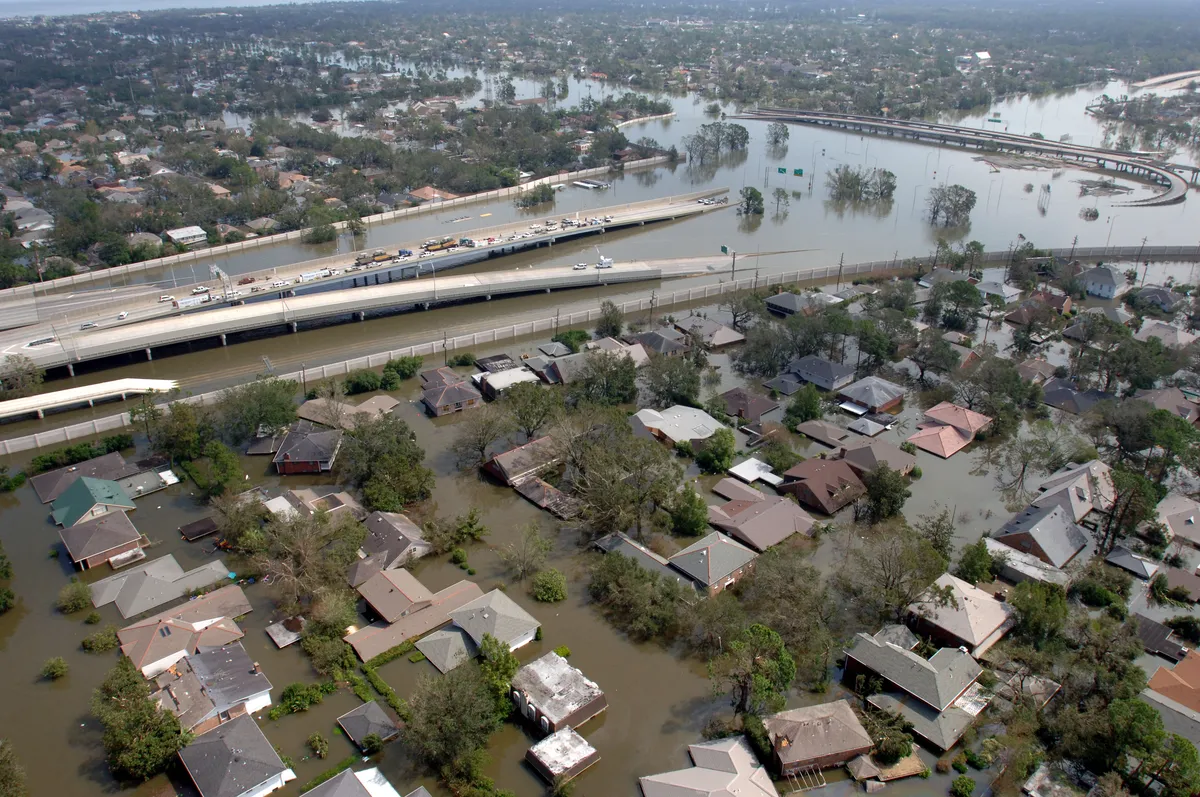
On August 29, 2005, Hurricane Katrina devastated the Gulf Coast, leaving a lasting impact on the insurance industry and the communities it serves. With winds reaching 125 mph at landfall and a storm surge that breached levees in New Orleans, Katrina resulted in over 1,800 fatalities and displaced approximately 1.2 million people. The hurricane's economic toll exceeded $250 billion, with insured losses around $100 billion, making it the most expensive natural disaster in U.S. history. As we approach the 20th anniversary of this catastrophic event, the pressing question arises: are insurers truly prepared for the next disaster, which may not resemble Katrina at all?
The nature of risks has shifted, and our cities have evolved in ways that could lead to entirely different kinds of catastrophic events. Instead of merely asking whether we are ready for another Katrina, we must consider whether we are equipped to handle a different type of disaster altogether. Here, we delve into five critical areas that reveal how the insurance industry has adapted—and where it still falls short—in preparing for the next $100 billion catastrophe.
Learning from the Past: Anticipating Future Risks
The flooding caused by Hurricane Katrina was perceived as a surprise, but in retrospect, it was a disaster waiting to happen. Just a year earlier, Hurricane Ivan posed a similar threat to New Orleans, leading to warnings of extensive flooding. However, when Ivan changed course, the potential dangers were quickly forgotten. This oversight underscores a significant weakness in historical risk assessment: a tendency to prepare for past events rather than near-misses.
Utilizing Downward Counterfactuals
To improve preparedness, the insurance industry must adopt the concept of downward counterfactual analysis. This involves examining near-miss events and asking, "What if this had resulted in a worse outcome?" Unlike traditional disaster scenarios that may seem abstract, these analyses are rooted in reality and can provide valuable insights. Yet, despite their potential, downward counterfactuals are not systematically employed in exposure management, leaving insurers inadequately prepared for foreseeable disasters.
Managing Exposure: Lessons Learned and New Challenges
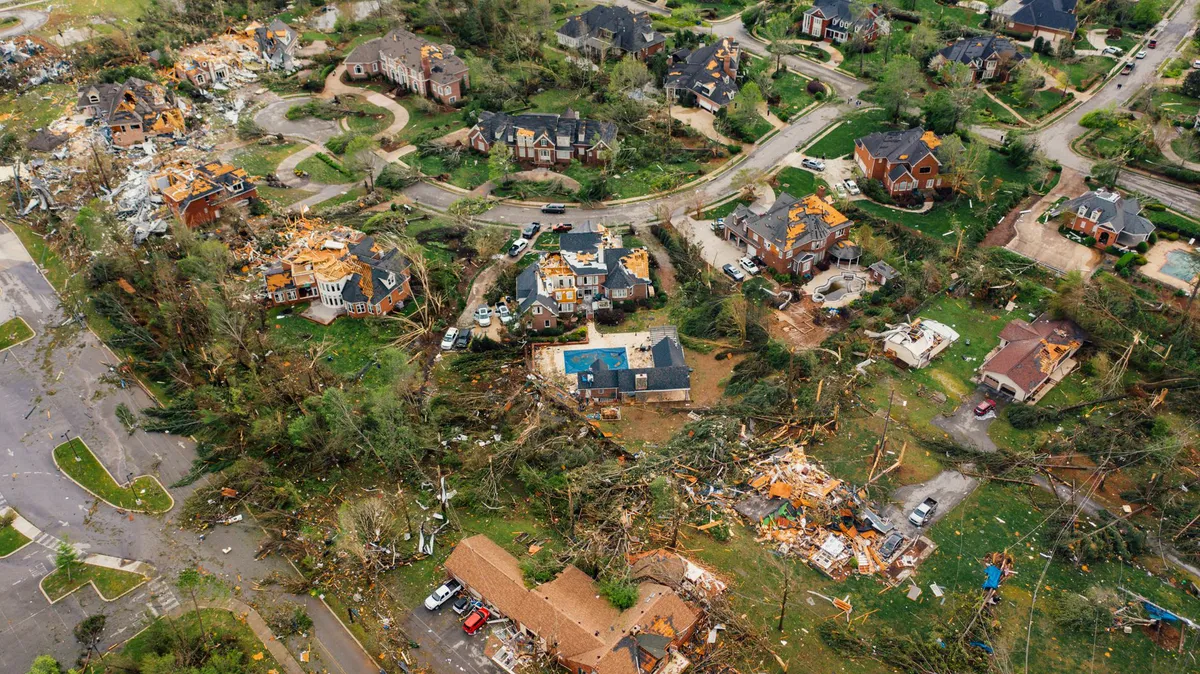
Hurricane Katrina highlighted the dangers of concentrated exposure in high-risk areas, prompting insurers to diversify their portfolios geographically. The practice of exposure management, aimed at capping risk in vulnerable zones, has since strengthened the industry’s resilience. However, new challenges have emerged.
Climate-Driven Risks and Urban Sprawl
Today, climate-driven events like wildfires and flooding can simultaneously impact multiple regions, complicating risk assessments. Moreover, urban sprawl drives high-value development into areas that were previously considered low-risk, such as the wildland-urban interface. Even when exposure is managed effectively at the postcode level, the expansion of built-up areas can strain emergency services, complicate evacuations, and increase claims related to business interruptions.
- Geographic Diversification: Insurers now monitor and manage exposure in high-risk zones.
- New Risk Accumulations: Climate events can create simultaneous risks across regions.
- Urban Development: Growth into previously low-risk areas increases vulnerability.

Infrastructure Failures: Understanding the Unknowns
One of the harsh lessons from Hurricane Katrina was the catastrophic failure of infrastructure, particularly the levees in New Orleans. While insurers have begun to include failure probabilities for these levees in their models, they still overlook other vulnerable infrastructures. Anticipating future failures is complicated by a phenomenon known as the "failure of imagination," where risks that have not been experienced are often ignored.
Innovating with Technology
To counteract this, insurers can leverage advanced technologies, such as large language models (LLMs), which can generate diverse catastrophe scenarios that might otherwise escape human consideration. Although many insurers engage in scenario analysis, these imaginative tools have yet to be systematically integrated into exposure management processes. Failure to do so can leave insurers severely underprepared for unforeseen events.

Post-Event Loss Amplification: A New Complexity
Katrina illustrated that the consequences of infrastructure failure extend beyond physical damage. The cascading effects—such as costly repairs, delayed claims settlements, and paralyzed local economies—can drive insured losses far beyond initial expectations. While contemporary models account for factors like demand surge and claims inflation, they remain relatively simplistic.
Interconnected Risks
The scale and interconnectedness of modern cities introduce new complexities that current models fail to capture. A future disaster could disrupt essential services like power and water across multiple regions, triggering ripple effects that impact housing, healthcare, and finance. Moreover, vulnerabilities in data storage and gig-economy labor complicate recovery efforts, particularly as climate change exacerbates the frequency and intensity of extreme events.
As a result, current methods for estimating post-event loss amplification are inadequate, failing to reflect the layered complexities of future disasters.
Coverage Disputes: The Rise of New Challenges
The public outrage following Hurricane Katrina over insurance coverage gaps—especially the confusion between wind and flood damage—led to expensive and protracted court cases, damaging the reputations of insurers. As we look to the future, the potential for new and layered factors—such as AI failures, cyberattacks, and civil unrest—could complicate coverage further.
Impact of Social Media
In today's digital age, social media can amplify dissatisfaction among policyholders, escalating disputes quickly. A single viral post can spark widespread backlash even before a claim is fully assessed. Unfortunately, many insurers lack robust modeling capabilities to quantify the financial and reputational impacts of these disputes. This exposes them to costs that can escalate rapidly, creating a precarious situation where reputational fallout occurs almost instantaneously.
Key Takeaways
- **Anticipate New Risks:** The insurance industry must learn from near-misses to prepare for future disasters.
- **Diversification is Key:** Geographic diversification has strengthened resilience but must evolve to address new risks.
- **Embrace Technology:** Utilizing advanced technologies can enhance risk assessment and preparedness efforts.
- **Understand Cascading Effects:** Future disasters will have complex, layered impacts that existing models do not fully capture.
- **Prepare for Rapid Disputes:** Insurers need to adapt to the fast-paced nature of social media and public sentiment during disasters.
Frequently Asked Questions
How has the insurance industry's approach to risk management changed since Katrina?
Since Hurricane Katrina, the insurance industry has adopted more sophisticated risk management practices, including geographic diversification of portfolios and proactive monitoring of exposure in high-risk areas. Insurers have also begun to incorporate lessons learned from past near-misses into their planning. However, challenges remain in anticipating new risks, especially those arising from climate change and urban development.
What are downward counterfactuals, and why are they important?
Downward counterfactuals are analytical tools used to examine past near-miss events and assess potential outcomes had those events been worse. They are important because they help insurers understand risks that they may not have previously considered, enhancing their preparedness for future disasters. By learning from historical events, insurers can create more effective risk management strategies.
What role does technology play in preparing for future disasters?
Technology, particularly advanced tools such as large language models, can help insurers generate diverse and imaginative catastrophe scenarios that may otherwise be overlooked. By integrating these technologies into risk assessment and exposure management processes, insurers can better prepare for unforeseen events and understand the complexities of future risks. This innovative approach can help to bridge the gap in current modeling techniques.
How can insurers address the growing potential for coverage disputes?
Insurers can mitigate the risk of coverage disputes by continuously evolving policy wording to address the complexities of modern disasters. They should also invest in robust modeling capabilities to quantify the financial and reputational impacts of disputes. Additionally, developing a proactive communication strategy that considers the influence of social media can help manage public perception and reduce backlash during catastrophic events.
Comments
Insurance Malpractice Case Highlights Risks in Property Valuation
A New Jersey apartment owner's lawsuit against Alliant Insurance Services reveals significant issues in property insurance valuation practices, potentially leaving owners financially vulnerable.

Related articles





Popular in Business Insurance
- Surging War-Risk Insurance Rates in the Strait of Hormuz: What It Means for Shipping
- Ross & Yerger Insurance Faces Class Action Over Data Breach Allegations
- Sompo Expands U.S. Workers' Compensation Portfolio with Service Insurance Acquisition
- Legal Battle Unfolds Over $1 Million Truck Crash Insurance Payout
- Howden Group's Ambitious Journey Toward IPO and Expansion