Proposed DC Bill Aims to Cap Liquor Liability Payouts at $500,000
Washington, DC lawmakers are considering a bill that would cap liquor liability payouts and study the effects of mandatory coverage on premiums for nightlife venues. This dual approach seeks to balance accountability with affordability in the bar and restaurant industry.
In a move aimed at addressing both liability concerns and insurance costs for bars and restaurants, Washington, DC lawmakers have introduced a bill that proposes to cap liquor liability payouts at $500,000. The legislation, known as the "Dram Shop Clarification and Liquor Liability Insurance Amendment Act of 2026," seeks to provide clarity and predictability for liquor liability insurers while also exploring the potential financial benefits of mandatory coverage for nightlife establishments. As the bar scene continues to thrive and evolve in the District, this legislation could have significant implications for insurers, business owners, and patrons alike.
Understanding Liquor Liability: What It Means for Bars
Liquor liability refers to the legal responsibility that bars and other establishments have when they serve alcohol to customers. Under dram shop laws, these venues can be held liable for damages caused by intoxicated patrons, particularly if the establishment served alcohol to minors or visibly intoxicated individuals. This legal framework is designed to encourage responsible serving practices and deter over-serving, thereby promoting public safety.
The introduction of the proposed bill comes as part of a broader discussion on how to balance the responsibilities of nightlife venues with the realities of running a business in an increasingly competitive environment. By capping non-economic damages in liquor liability cases, the legislation aims to provide a more predictable insurance landscape for bar owners, who often face steep premiums due to the inherent risks associated with serving alcohol.
The Proposed Cap on Non-Economic Damages
The crux of the proposed legislation is found in its stipulation that non-economic damages in liquor liability cases will be capped at $500,000. Non-economic damages refer to intangible losses that can be difficult to quantify, such as pain, suffering, and emotional distress. By establishing a cap on these damages, insurers gain a clearer understanding of their potential financial exposure in the event of a claim, allowing them to set premiums more accurately.
This cap is not static; it is designed to increase incrementally over time. Starting January 1, 2037, the cap will rise by $50,000 every ten years. This adjustment acknowledges inflation and the changing economic landscape, ensuring that the cap remains relevant and effective in the long term.
Exploring Minimum Coverage Requirements
Alongside the damages cap, the bill also mandates a study by the Department of Insurance, Securities and Banking to assess whether implementing minimum coverage requirements for liquor liability insurance could lead to lower premiums for nightlife establishments. Currently, the legislation does not compel any bar or restaurant to purchase insurance; rather, it directs regulators to evaluate the potential benefits of such a requirement.
The analysis will take into account how similar measures have fared in other states, providing a comprehensive look at the intersection of mandatory coverage and market rates for liquor liability insurance. If the study reveals a positive correlation between minimum coverage requirements and reduced premiums, lawmakers may have grounds to further legislate in this area, potentially reshaping the insurance landscape for nightlife venues.
Potential Impacts on Nightlife Venues
The implications of this bill extend beyond just the liability insurers. For bar and restaurant owners, a cap on payouts could mean more manageable insurance costs, allowing them to allocate resources to other areas of their business. However, the effectiveness of this legislation will largely depend on the outcomes of the proposed study regarding minimum coverage.
Should the analysis indicate that mandatory coverage leads to a reduction in premiums, business owners may find themselves in a position where they can afford higher levels of coverage, ultimately leading to a safer environment for patrons. Conversely, if the study does not yield favorable results, establishments may remain vulnerable to high premiums and the financial risks associated with liquor liability claims.

Legislative Process: What’s Next?
While the proposed bill has garnered attention, it still faces a significant legislative journey before becoming law. The measure must first pass through committee, followed by a vote in the DC Council. Additionally, it could face a potential veto from the Mayor and would need to survive a 30-day congressional review period. As the bill moves through these stages, its language and provisions—such as the $500,000 cap—may be subject to change.
As stakeholders in the liquor liability insurance space closely monitor the situation, it is essential for both business owners and insurers to stay informed about potential developments. Engaging with local lawmakers and participating in discussions surrounding the bill could also help shape its final form.

Key Takeaways
- The proposed DC bill seeks to cap liquor liability payouts at $500,000, providing clarity for insurers.
- Non-economic damages, which can include pain and suffering, will be limited under this new legislation.
- The bill mandates a study on the potential benefits of minimum coverage requirements for liquor liability insurance.
- The cap on damages will increase by $50,000 every ten years starting in 2037.
- The bill must clear multiple legislative hurdles before becoming law, and its provisions may change along the way.
Frequently Asked Questions
What are dram shop laws?
Dram shop laws hold alcohol-serving establishments accountable for the actions of their intoxicated patrons. These laws are designed to prevent over-serving and encourage responsible alcohol service. Bars can be sued if they serve alcohol to minors or visibly intoxicated individuals, which can lead to significant financial liability in the event of accidents or damages caused by those patrons.
How will the cap on non-economic damages affect insurance premiums?
The cap on non-economic damages is expected to provide insurers with a clearer understanding of their potential liabilities in liquor liability cases. By limiting the maximum payout, insurers can more accurately assess risks and set premiums accordingly. This could potentially lead to lower insurance rates for bars and restaurants, making it easier for them to afford coverage while still protecting themselves against significant financial losses.
What is the significance of the study on minimum coverage requirements?
The study mandated by the bill aims to evaluate whether implementing minimum coverage requirements for liquor liability insurance would lead to lower premiums for nightlife venues. If the findings support the implementation of mandatory coverage, it could change the way bars and restaurants approach their insurance needs, potentially leading to increased coverage levels and enhanced protection for patrons.
What are the next steps for the proposed legislation?
The proposed bill must undergo several legislative processes, including committee reviews and a Council vote, before becoming law. Additionally, it may face potential vetoes and a congressional review period. Stakeholders, including bar owners and insurance providers, should stay informed and actively engage in discussions to advocate for their interests as the bill progresses through the legislative process.
Comments
Rethinking Leadership in Insurance: Navigating Change and Cultivating Talent
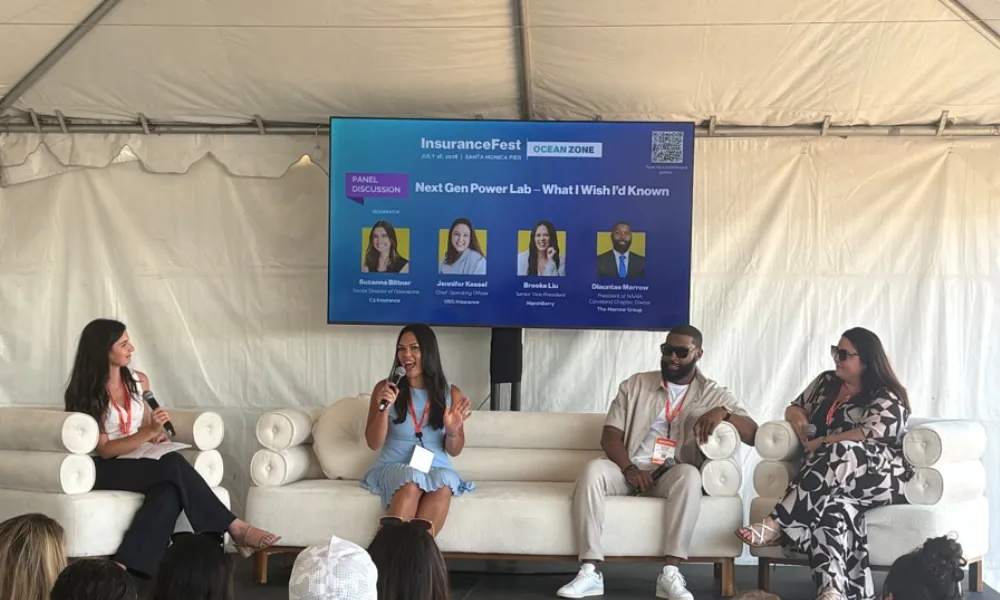
At InsuranceFest 2026, industry leaders discussed the evolving role of leadership in insurance. Focusing on talent development, resilience, and navigating change, they provided insights that resonate across the insurance landscape.
Related articles




Popular in Business Insurance
- Surging War-Risk Insurance Rates in the Strait of Hormuz: What It Means for Shipping
- Ross & Yerger Insurance Faces Class Action Over Data Breach Allegations
- Sompo Expands U.S. Workers' Compensation Portfolio with Service Insurance Acquisition
- Legal Battle Unfolds Over $1 Million Truck Crash Insurance Payout
- Howden Group's Ambitious Journey Toward IPO and Expansion