Meta's Layoff Controversy: AI Discrimination Lawsuit Raises Concerns
A recent court ruling allowed Meta to proceed with layoffs amid an AI discrimination lawsuit from employees. This groundbreaking case highlights the complexities of AI in employment decisions and the potential implications for workers.
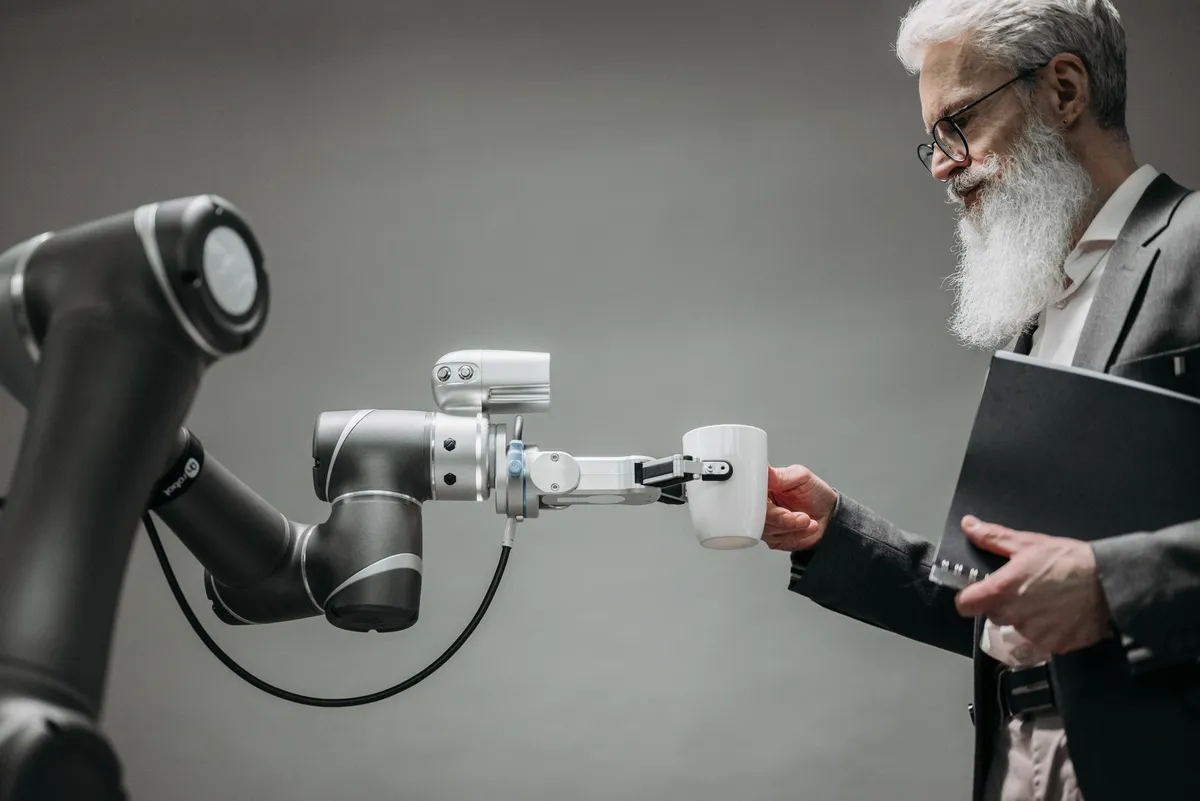
The intersection of technology and employment practices is increasingly under scrutiny, particularly as companies like Meta Platforms leverage artificial intelligence (AI) in their decision-making processes. Recently, a U.S. District Judge ruled against a group of 26 Meta employees who sought to block their impending layoffs, which they allege were influenced by discriminatory practices embedded in AI tools used by the company. This landmark case raises crucial questions about the role of AI in workforce management and the legal protections available for workers, especially those with disabilities.
On July 17, 2026, Judge William Orrick in Oakland, California, denied the plaintiffs' request for a temporary restraining order to halt the layoffs scheduled to commence on July 22. The workers claim that Meta’s AI systems unfairly targeted them for job cuts due to their medical conditions or absences related to caregiving responsibilities. The court's decision underscores the challenges employees face when navigating the complexities of modern employment law, especially in an era where AI is becoming a pivotal aspect of corporate operations.
The Case Background: AI and Layoff Decisions
The lawsuit, filed by a diverse group of Meta employees, marks a significant moment in employment law, as it is believed to be the first of its kind against a major U.S. company regarding the use of AI in layoffs. The plaintiffs argue that the AI tools employed by Meta—specifically those that evaluated productivity and AI token usage—disadvantage workers who may have missed work due to legitimate medical reasons.
Claims of Discrimination
The plaintiffs allege that Meta's AI systems, which include a large language model assistant and productivity monitoring tools, failed to account for legally protected leave periods. As a result, their performance metrics were skewed against them, leading to their inclusion in the termination list. The lawsuit emphasizes that decisions affecting employment should be made fairly and transparently, without the risk of bias that can arise from algorithmic assessments.
The Legal Landscape: Implications of Arbitration Agreements
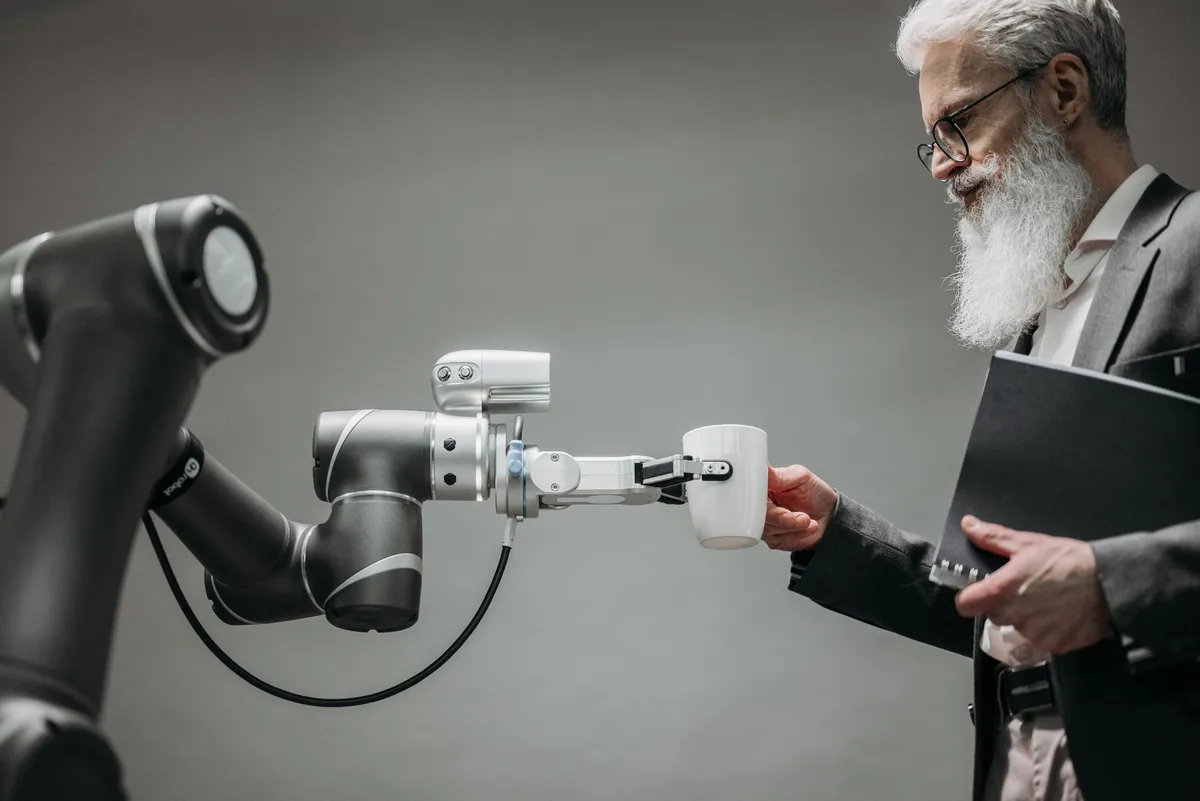
As the case unfolds, it highlights the complexities surrounding arbitration agreements that many employees sign as a condition of employment. These agreements often require employees to resolve disputes individually rather than through collective legal action. Critics argue that this can create a power imbalance favoring employers, particularly in cases involving allegations of discrimination.
Judge Orrick acknowledged the unique challenges posed by the plaintiffs’ situation, noting that the potential for irreparable harm could warrant a reevaluation of the decision if new evidence emerges regarding the AI's role in the layoffs. This acknowledgment raises important questions about the boundaries of arbitration and the legal protections available to workers who may be adversely affected by technological decisions.

Meta's Defense and Corporate Responsibility
Meta has publicly denied the allegations, asserting that human decision-making was at the forefront of the layoff process and that the layoffs affected approximately 10% of its global workforce. The company argues that the layoffs were a necessary step in its strategic shift towards AI investments. However, the plaintiffs and their legal representatives have raised concerns about the ethical implications of relying on AI for such significant employment decisions.
Health Insurance and Job Security
In addition to job loss, the plaintiffs expressed concerns about losing health insurance benefits, which are critical for employees managing medical conditions. During the court proceedings, one lawyer representing the workers articulated the emotional and practical ramifications of the layoffs, emphasizing that there is no “do-over” for significant life events such as childbirth or ongoing medical treatment. This highlights the broader implications of how layoffs can impact not just financial stability, but also personal health and well-being.

The Future of Employment Law: Workers' Rights in the Age of AI
This case sets a precedent that could shape the future of employment law in the context of AI technology. As more companies adopt AI systems to streamline operations and cut costs, the need for robust legal frameworks to protect employees becomes increasingly urgent. The implications of this case extend beyond Meta, potentially influencing how organizations implement AI tools and the ethical considerations surrounding their use.
Potential Outcomes and Broader Implications
Should the plaintiffs succeed in their claims, it could lead to a reevaluation of how AI is used in workplace decision-making processes across various industries. The court's eventual ruling may prompt companies to adopt more transparent practices regarding the algorithms they employ and how they assess employee performance. Furthermore, if the outcomes reveal systemic biases in AI systems, it may catalyze regulatory changes ensuring fair treatment of all workers, particularly those who are vulnerable.
Key Takeaways
- AI Use in Layoffs: Meta's layoffs involve a lawsuit challenging AI's role in employment decisions.
- Legal Protections: The case raises questions about arbitration agreements and workers' rights.
- Health Risks: Losing jobs may jeopardize workers' access to essential health benefits.
- Future Implications: The outcome could influence how AI is integrated into workplace practices nationwide.
Frequently Asked Questions
What is the basis of the lawsuit against Meta?
The lawsuit claims that Meta used AI tools to unfairly target employees for layoffs based on their medical conditions or caregiving responsibilities. The plaintiffs argue that the AI systems failed to consider legally protected leave periods, leading to biased employment decisions.
What are the implications of arbitration agreements in this context?
Arbitration agreements require employees to resolve disputes individually, often limiting their ability to pursue collective legal action. In this case, the plaintiffs are challenging the appropriateness of these agreements, especially when they potentially shield employers from accountability regarding discriminatory practices.
How might this case affect the future use of AI in employment decisions?
If the plaintiffs prevail, it could lead to stricter regulations surrounding the use of AI in hiring and layoff processes. Companies may be compelled to adopt transparent practices and ensure that their AI systems do not perpetuate biases against vulnerable workers.
What are the potential risks for employees during layoffs involving AI?
Employees facing layoffs influenced by AI systems may experience significant emotional and financial distress, particularly if they lose health insurance and other benefits. The case emphasizes the need for companies to consider the broader impact of AI-driven decisions on employee well-being.
Comments
Rethinking Leadership in Insurance: Navigating Change and Cultivating Talent
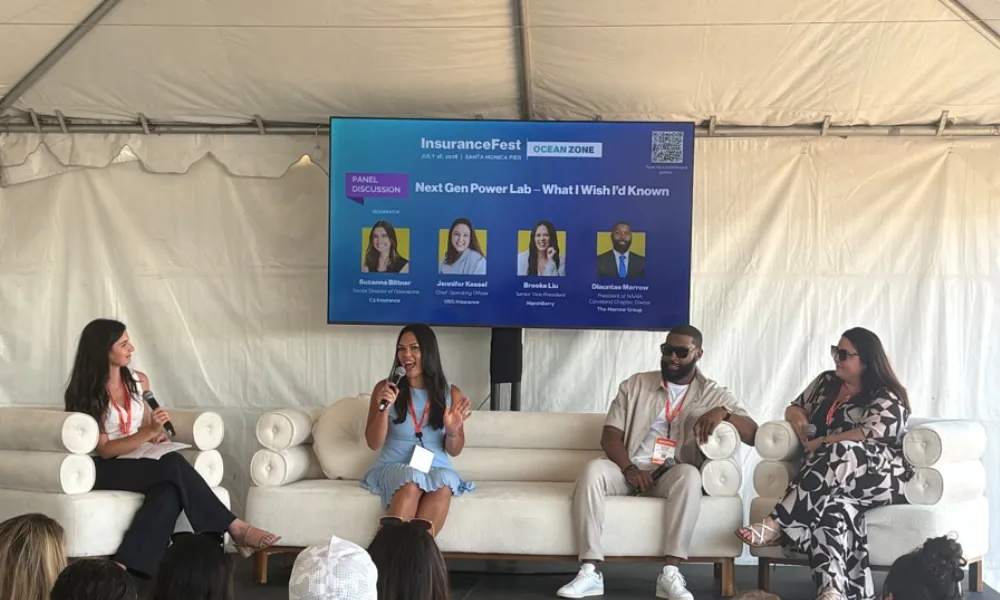
At InsuranceFest 2026, industry leaders discussed the evolving role of leadership in insurance. Focusing on talent development, resilience, and navigating change, they provided insights that resonate across the insurance landscape.
Related articles






Popular in Business Insurance
- Surging War-Risk Insurance Rates in the Strait of Hormuz: What It Means for Shipping
- Ross & Yerger Insurance Faces Class Action Over Data Breach Allegations
- Sompo Expands U.S. Workers' Compensation Portfolio with Service Insurance Acquisition
- Legal Battle Unfolds Over $1 Million Truck Crash Insurance Payout
- Howden Group's Ambitious Journey Toward IPO and Expansion