Boeing Reclaims Airworthiness Authority for 737 Max and 787 Dreamliner
The FAA has granted Boeing the authority to issue airworthiness certificates for its 737 Max and 787 Dreamliner jets, marking a significant recovery for the aerospace giant following past manufacturing issues.

In a pivotal move for the aviation industry, the Federal Aviation Administration (FAA) has restored Boeing's authority to issue airworthiness certificates for its flagship 737 Max and 787 Dreamliner jets. This decision, effective from July 20, 2026, signifies not only a vote of confidence from regulators but also a crucial step in Boeing's efforts to restore its reputation and financial stability after facing significant setbacks due to manufacturing lapses.
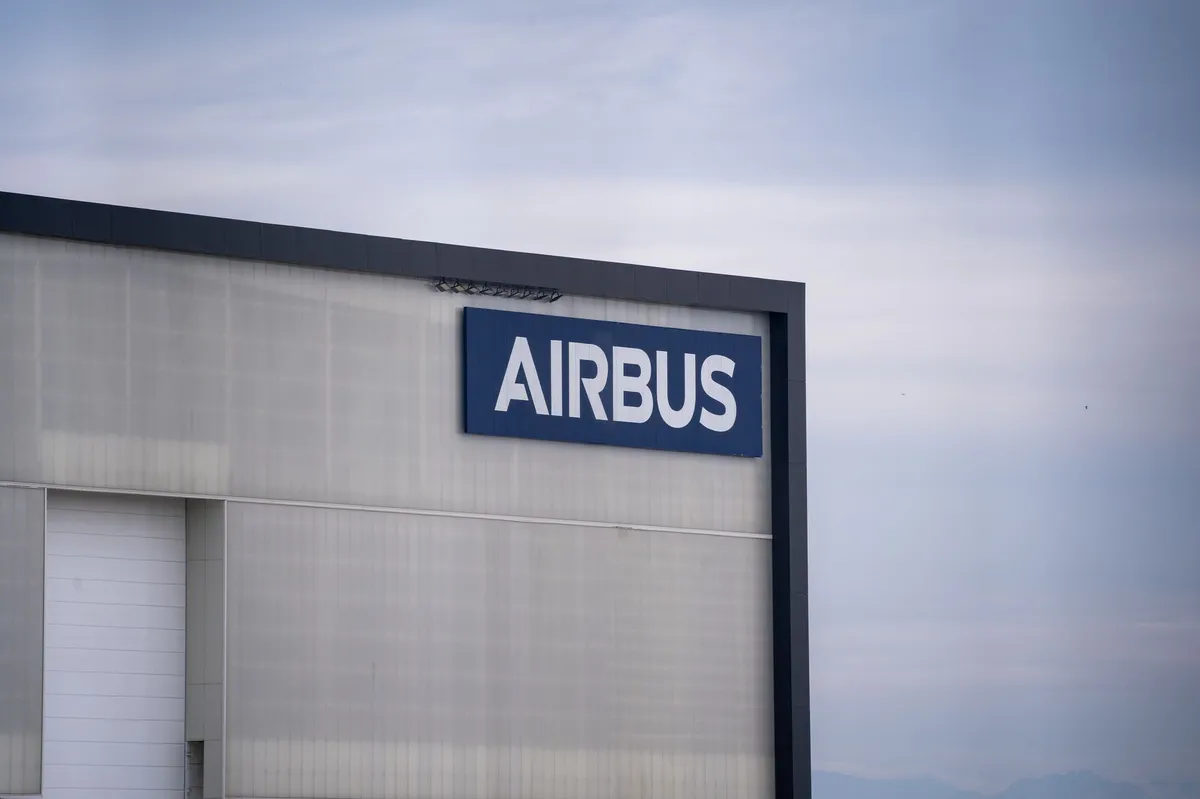
The FAA's announcement comes on the heels of rigorous data and safety reviews that demonstrated a consistent improvement in production quality at Boeing's manufacturing facilities. This development is particularly vital for Boeing as it seeks to ramp up production and deliveries to meet the growing demand in the aviation market, which has become increasingly competitive, particularly with rival Airbus SE.
Background of Boeing's Regulatory Challenges
Boeing's journey to regain this authority has not been without its challenges. The company has been under a tighter regulatory scrutiny since a near-catastrophic incident in 2024, when a door-sized panel blew out of a 737 during flight, revealing serious issues related to production quality and oversight. In response, the FAA implemented a series of restrictions, including capping the production of Boeing’s 737 Max and revoking its ability to certify new aircraft as airworthy before delivery.
The FAA's decision to revoke these certifications was a significant blow to Boeing, impacting its operational capabilities and financial outlook. The inability to independently certify aircraft meant that every new plane needed to undergo additional layers of FAA scrutiny, leading to delays and increased costs. In 2025, however, the FAA began to ease these restrictions, allowing Boeing to regain some of its certification authority in a controlled manner, with both the FAA and Boeing alternating responsibilities for issuing airworthiness certificates.
Significance of the FAA's Decision
The restoration of Boeing's authority to issue airworthiness certificates is not merely a bureaucratic milestone; it has profound implications for the company's production capabilities and its financial health. By allowing Boeing to certify its aircraft, the FAA is effectively endorsing the improvements the company has made in its manufacturing processes and quality control protocols.
Moreover, this decision is vital for Boeing's recovery strategy as it grapples with the financial repercussions of its past mistakes. The ability to streamline the certification process will enable Boeing to increase production rates, thereby fulfilling backlogged orders more efficiently and potentially improving its cash flow. This becomes increasingly important as Boeing seeks to reclaim market share from its primary rival, Airbus SE, which has been steadily increasing its footprint in the commercial aviation sector.
The Road Ahead: Monitoring and Oversight
Despite the positive news, the FAA has made it clear that this restored authority comes with continued oversight. The agency has stated that it will maintain its rigorous inspection and auditing processes to ensure that Boeing adheres to the required safety and quality standards. This commitment to oversight reflects the FAA's cautious approach to ensuring that the lessons learned from past incidents are not forgotten.
Moving forward, Boeing will need to demonstrate sustained excellence in its manufacturing processes to maintain its certification authority. The FAA's ongoing inspections will serve as a vital check on Boeing's operations, ensuring that the company does not revert to past practices that compromised safety and quality. This dual oversight mechanism—where Boeing and the FAA share responsibilities—will be critical in nurturing a culture of accountability and transparency within Boeing's production facilities.
Implications for Airlines and Passengers
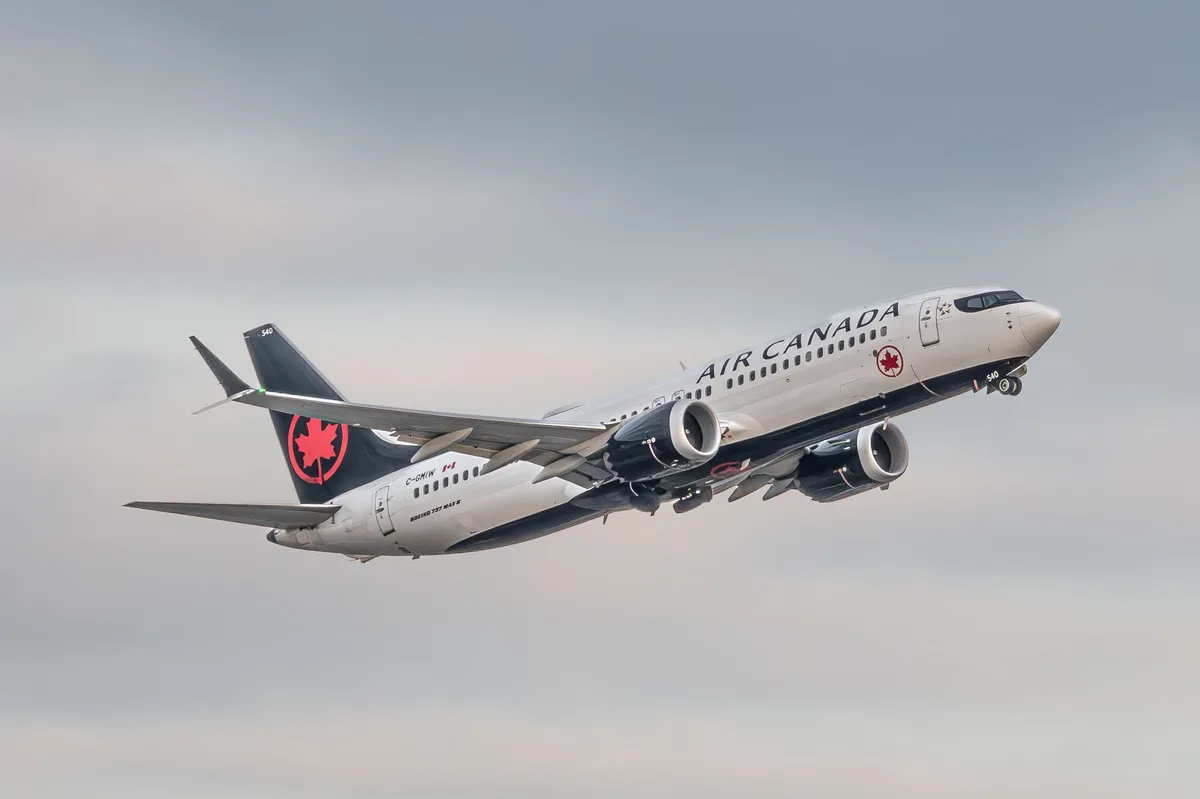
The FAA's decision will have far-reaching implications for airlines that operate Boeing aircraft, as well as for passengers who fly on these planes. Airlines are eager to receive new planes to expand their fleets and replace aging aircraft, and the ability for Boeing to certify new planes expedites this process.
For passengers, the restoration of Boeing's certification authority can bolster confidence in the safety of the aircraft. The FAA's oversight, combined with Boeing's renewed commitment to quality, should reassure travelers that the planes they board are built to the highest safety standards. Nevertheless, it is essential for passengers to remain informed about the aircraft they are flying on, understanding the safety records and the certifications that airlines hold.
- Enhanced Production Capabilities: Boeing can efficiently produce and deliver aircraft, reducing backlog delays.
- Increased Oversight: The FAA will continue regular audits and inspections to ensure compliance with safety standards.
- Competitive Pressure: Boeing’s ability to ramp up production is crucial in the face of competition from Airbus.
- Passenger Confidence: Enhanced safety measures can lead to increased trust among travelers.
Key Takeaways
- Boeing has regained the authority to issue airworthiness certificates for its 737 Max and 787 Dreamliner jets.
- This decision follows extensive safety reviews by the FAA showcasing improved production quality.
- The FAA will continue to provide oversight through inspections and audits.
- The move is critical for Boeing's financial recovery and its competitive positioning against Airbus.
Frequently Asked Questions
What does it mean for Boeing to regain airworthiness certification authority?
Regaining airworthiness certification authority means that Boeing can now certify its own aircraft as safe to fly before delivery to airlines. This authority was revoked due to previous manufacturing issues, and its restoration reflects the FAA's confidence in Boeing's current quality control measures. This change is expected to expedite the delivery process of new aircraft and improve Boeing's operational efficiency.
How will the FAA ensure Boeing maintains safety standards?
The FAA will implement a system of ongoing inspections, audits, and continuous monitoring of Boeing's production facilities. This oversight is intended to ensure that Boeing adheres to safety and quality standards consistently. The FAA's commitment to maintaining regulatory scrutiny suggests that any deviations from expected production quality will be promptly addressed.
What impact does this decision have on airlines and passengers?
For airlines, the ability to receive new aircraft more quickly can help them expand their fleets and enhance their service offerings. For passengers, this decision can enhance confidence in the safety of the aircraft they fly on, as the FAA's oversight is designed to ensure that all planes meet stringent safety standards. Improved trust in aircraft safety can positively affect the overall travel experience.
What challenges does Boeing still face following this decision?
Despite the positive news, Boeing still faces the challenge of maintaining consistent production quality and ensuring that it does not revert to past practices that led to regulatory scrutiny. Additionally, the competitive landscape with Airbus continues to pressure Boeing to innovate and improve its product offerings. The company will need to focus on building a sustainable model that prioritizes safety and quality to regain the trust of customers and regulators alike.
Comments
Rethinking Leadership in Insurance: Navigating Change and Cultivating Talent
At InsuranceFest 2026, industry leaders discussed the evolving role of leadership in insurance. Focusing on talent development, resilience, and navigating change, they provided insights that resonate across the insurance landscape.

Related articles






Popular in Business Insurance
- Surging War-Risk Insurance Rates in the Strait of Hormuz: What It Means for Shipping
- Ross & Yerger Insurance Faces Class Action Over Data Breach Allegations
- Sompo Expands U.S. Workers' Compensation Portfolio with Service Insurance Acquisition
- Legal Battle Unfolds Over $1 Million Truck Crash Insurance Payout
- Howden Group's Ambitious Journey Toward IPO and Expansion