Navigating the Rise of Synthetic Insider Threats in Cyber Insurance
The emergence of synthetic insiders, aided by AI technology, poses new challenges for insurers, blurring the lines between cyber and crime policies. This article explores the implications for businesses and the insurance industry.

The digital landscape is continually evolving, and with it comes a new breed of threats that are redefining the parameters of cybersecurity and insurance. Recent research has unveiled a disturbing trend: a rise in cyberattacks executed by synthetic insiders—fraudulent employees who use advanced AI tools to impersonate legitimate staff members. This phenomenon is forcing insurers to rethink how claims are categorized and managed, as these incidents do not fit neatly into existing cyber or crime policy frameworks.
The term "synthetic insider" refers to attackers who leverage deepfake technology to create realistic images, videos, and voices, allowing them to masquerade as trusted employees or job candidates. This strategy has already led to significant financial losses for companies and complicates the claims landscape, raising questions about coverage and liability. As this trend continues to grow, understanding its implications for businesses and the insurance market is critical.
The Mechanics of Synthetic Insider Threats
Synthetic insider threats can be broken down into a few key components. These attacks typically involve:
- Deepfake Technology: This refers to AI-generated media that convincingly mimics real people, making it increasingly difficult to discern authentic identities.
- Exploitation of Trust: Attackers leverage the inherent trust organizations place in their employees to gain access to sensitive information or financial resources.
- Remote Work Dynamics: The rise of remote work, especially post-pandemic, has expanded the attack surface, allowing malicious actors to pose as remote employees more easily.

One of the most notorious instances of this tactic was the North Korean scheme where operatives used stolen American identities to secure remote IT jobs across more than 100 U.S. companies. This operation generated over $5 million for the regime before it was curtailed by federal authorities. However, the implications of such schemes extend beyond state-sponsored actors; everyday businesses are now facing similar threats from opportunistic fraudsters.
Insurance Implications: A New Paradigm
The rise of synthetic insider threats has led to a complex situation for insurers who must navigate the blurry lines between cyber and crime policies. For many businesses, the question is not whether these attacks are occurring, but how they will be covered when losses arise. The main challenges include:
Policy Definitions and Coverage Gaps
Most traditional cyber insurance policies have specific exclusions or limitations regarding social engineering fraud. This is particularly problematic because synthetic insider threats can manifest in various ways, making it difficult to determine which policy applies. For instance:
- If a fraudulent employee is detected before gaining access to company systems, it may not trigger a cyber policy.
- If they successfully infiltrate the network and cause damage—such as data exfiltration or malware installation—the situation shifts toward a traditional breach response, which could invoke different policy provisions.

Adjustments in Policy Language
To adapt to these evolving threats, some insurers are updating their policy language to specifically include AI-assisted impersonation. However, these new policies often come with stringent authentication requirements that can create complications during claims. Employees may struggle to meet these requirements consistently, leading to additional friction in the claims process.
Data Insights and Industry Trends
The 2026 Data Breach Investigations Report by Verizon provides critical insights into the scope of insider threats. The report revealed that internal actors were involved in approximately 12% of confirmed breaches—a number that, while down from 18% the previous year, is still significant given the large dataset analyzed. Additionally, the report highlighted a striking trend: 45% of employees now regularly use AI tools on corporate devices, a significant increase from just 15% a year earlier. Alarmingly, 67% of this usage occurs through non-corporate accounts, bypassing established security controls.
This phenomenon of “shadow AI” use has emerged as a significant contributor to data loss incidents, representing a fourfold increase year-over-year. Similarly, the Fortinet Insider Risk Report found that 62% of insider incidents stemmed from human error or compromised accounts, underscoring the need for robust training and awareness programs within organizations.
Cost Implications: Understanding Financial Risks
The financial implications of insider incidents are substantial. According to research from the Ponemon Institute, the average cost of an insider incident in North America is estimated at around $22.2 million. This figure emphasizes the importance of incorporating insider risk considerations into insurance underwriting, especially for businesses with large remote or contractor workforces. Underwriters must be vigilant in assessing these risks when determining coverage limits and retentions for affected accounts.
Looking Ahead: The Future of Cyber Insurance
As deepfake technology becomes more accessible and user-friendly, the distinction between insider threats and external attacks is expected to blur further. Insurers must adapt their coverage options and risk assessment strategies to accommodate this new reality. This may involve:
- Re-evaluating policy structures to ensure comprehensive coverage for both cyber and crime-related incidents.
- Implementing more stringent underwriting standards that account for the evolving nature of AI-driven threats.
- Enhancing employee training programs to address the risks associated with both insider threats and the use of AI tools.

Key Takeaways
- The rise of synthetic insiders is blurring the lines between cyber and crime insurance policies.
- Insurers are updating policy language to address AI-assisted impersonation, but coverage gaps remain.
- Data shows that insider incidents are a significant portion of overall breaches, driven by human error and shadow AI use.
- The financial impact of insider threats is substantial, necessitating careful underwriting and risk management.
- Businesses must enhance employee training and awareness to mitigate risks associated with insider threats.
Frequently Asked Questions
What is a synthetic insider threat?
A synthetic insider threat involves individuals using AI-generated deepfake technology to impersonate legitimate employees or candidates within an organization. These threats exploit the trust placed in employees to access sensitive information or resources, leading to potential financial losses and security breaches.
How does this trend affect insurance coverage?
The rise of synthetic insider threats complicates the landscape of insurance coverage as these incidents do not fit neatly into traditional cyber or crime policies. Insurers are grappling with how to categorize and address these claims, leading to potential coverage gaps and disputes regarding liability.
What can businesses do to protect themselves?
Businesses can take proactive measures to protect themselves against synthetic insider threats by implementing robust cybersecurity protocols, enhancing employee training on recognizing deepfake technology, and ensuring that their insurance policies adequately cover potential insider threats. Regular audits of security practices and risk assessments can also help identify vulnerabilities.
What should insurers consider when underwriting policies in this context?
Insurers should consider the evolving landscape of insider threats when underwriting policies. This includes evaluating the prevalence of remote work, the use of AI tools among employees, and the potential for deepfake technology to create synthetic insiders. Adjusting policy language, coverage limits, and retention levels to reflect these risks will be critical in ensuring comprehensive protection.
Comments
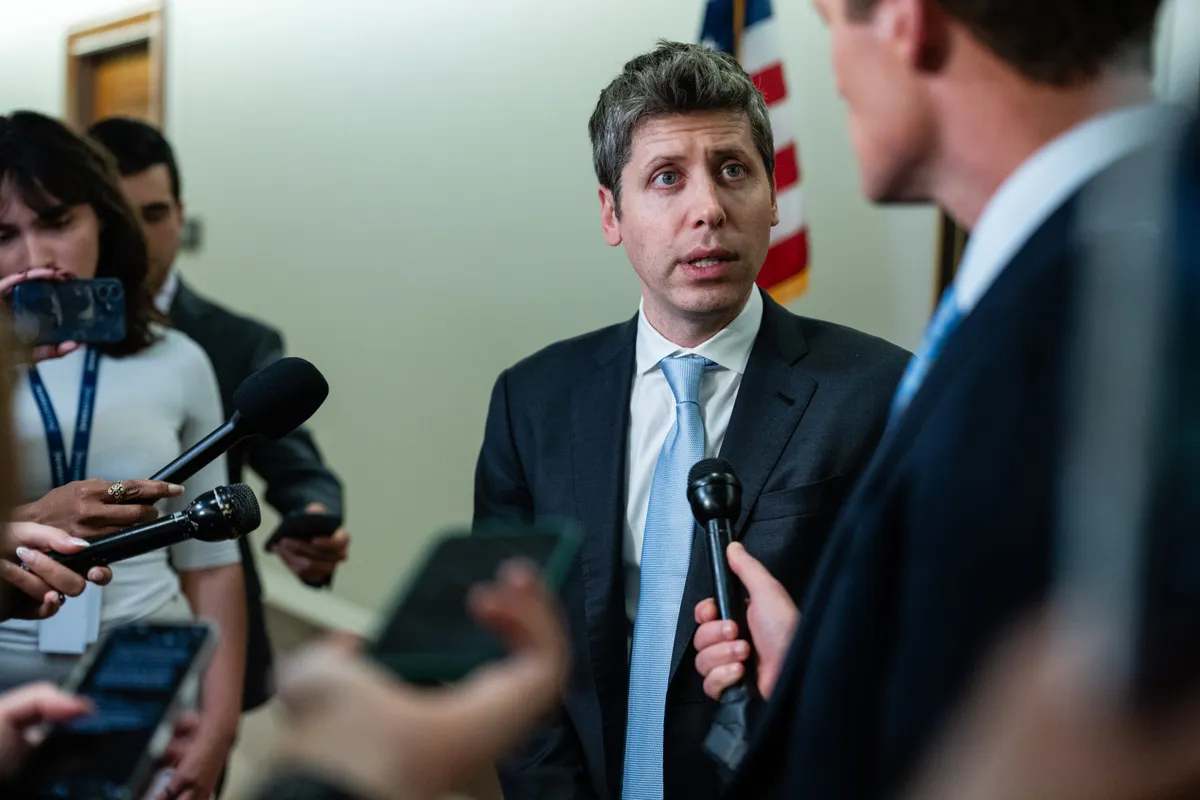
Sam Altman's AI Briefing: Shaping the Future of AI Safety Regulations
OpenAI's Sam Altman is set to brief U.S. officials on the next generation of AI models, focusing on safety and cybersecurity amid rising competition from China. This discussion comes as the U.S. works to establish a framework for AI oversight, crucial in maintaining its technological leadership.
Related articles






Popular in Business Insurance
- Surging War-Risk Insurance Rates in the Strait of Hormuz: What It Means for Shipping
- Ross & Yerger Insurance Faces Class Action Over Data Breach Allegations
- Sompo Expands U.S. Workers' Compensation Portfolio with Service Insurance Acquisition
- Legal Battle Unfolds Over $1 Million Truck Crash Insurance Payout
- Howden Group's Ambitious Journey Toward IPO and Expansion