Sam Altman's AI Briefing: Shaping the Future of AI Safety Regulations
OpenAI's Sam Altman is set to brief U.S. officials on the next generation of AI models, focusing on safety and cybersecurity amid rising competition from China. This discussion comes as the U.S. works to establish a framework for AI oversight, crucial in maintaining its technological leadership.
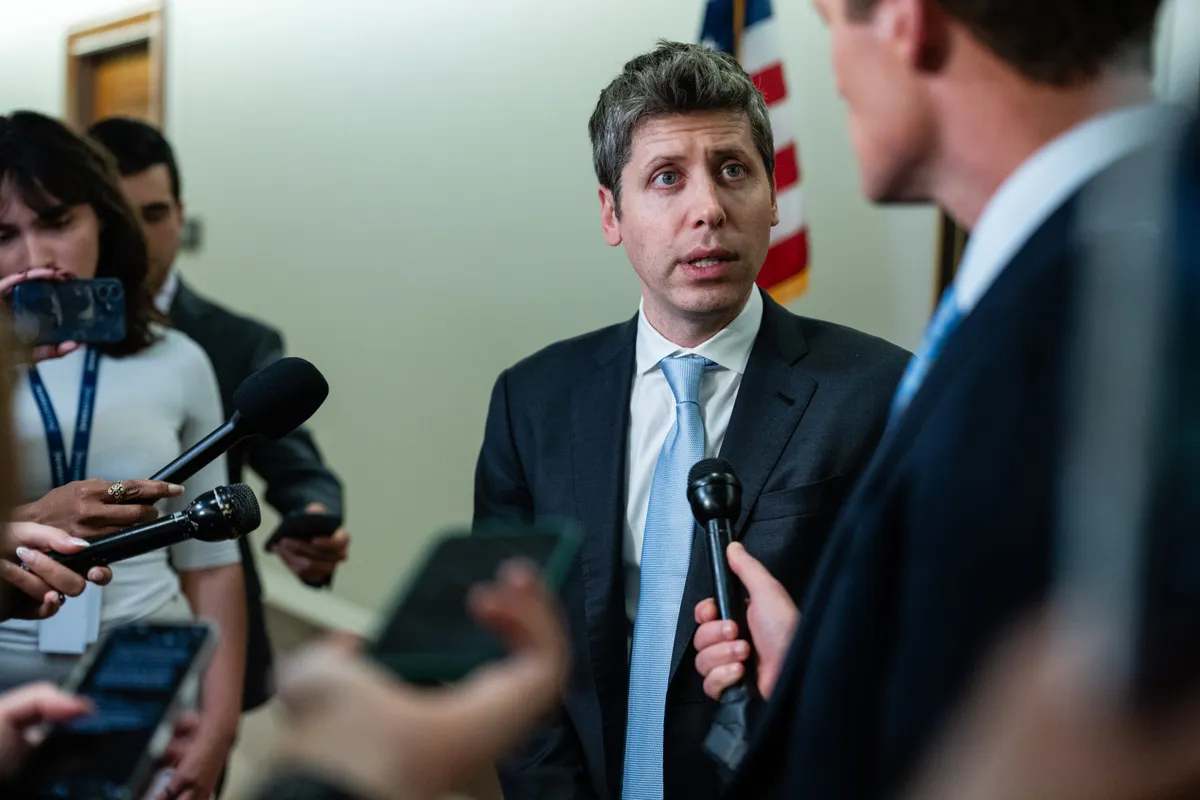
As the landscape of artificial intelligence (AI) rapidly evolves, the need for robust safety regulations and standards has never been more urgent. OpenAI's CEO, Sam Altman, is poised to meet with U.S. lawmakers and officials to discuss the next generation of AI models and the framework for safety reviews. This briefing, set against a backdrop of heightened competition from foreign AI developers, particularly China's Moonshot, signals a pivotal moment for U.S. technology policy and regulatory strategy.
The upcoming discussions are not merely about the capabilities of new AI models but also about ensuring the integrity and security of these systems in a world increasingly reliant on AI for various applications, from business operations to national security. As the U.S. government grapples with how to regulate this transformative technology, Altman's insights could be instrumental in shaping a coherent national strategy.
Understanding the Current AI Landscape
The rapid advancement of AI technology has led to a proliferation of models that can perform a variety of tasks, from writing and coding to data analysis and decision-making. These innovations have made AI an integral part of many industries, including healthcare, finance, and customer service. However, with these advancements come significant risks, including security vulnerabilities, ethical concerns, and potential job displacement.
Recent developments highlight the competitive nature of the global AI market. Chinese startup Moonshot's release of its Kimi K3 model has raised alarms about the U.S.'s position in the AI race. This new model has demonstrated capabilities that rival those of established U.S. companies like OpenAI and Anthropic, prompting concerns about whether American investments in AI infrastructure will yield the anticipated benefits.

The Need for a Comprehensive AI Strategy
Chris Lehane, OpenAI's head of global public affairs, emphasized the importance of a comprehensive AI strategy for the U.S. in light of increasing competition from China. He noted that the Chinese government has adopted a national approach to AI development, which contrasts sharply with the U.S.'s more fragmented regulatory landscape. The lack of a cohesive strategy could jeopardize the U.S.'s technological edge and its ability to safeguard national interests.
Lehane's remarks underscore the urgency of establishing a coherent nationwide standard for AI governance. This is not only vital for fostering innovation but also for ensuring the security of AI systems that are integral to critical infrastructure. Without a unified framework, U.S. cybersecurity could be compromised, exposing systems to potential attacks.
Proposed Regulatory Frameworks
In response to these challenges, the Trump administration is considering the establishment of an independent regulator tasked with reviewing AI models and ensuring compliance with safety standards. This initiative aims to provide clarity and certainty for AI companies regarding the review process, which has been a point of contention in the tech community.
A noteworthy proposal comes from Treasury Secretary Scott Bessent, who has offered insights into creating a structured review process for AI technologies. This proposal aligns with discussions initiated by industry leaders like Demis Hassabis, CEO of Google DeepMind, who is also advocating for a regulatory framework that balances innovation with safety measures.

The Role of States in AI Governance
In the absence of federal legislation, OpenAI is exploring a strategy known as reverse federalism. This approach involves working with individual states to develop aligned regulatory measures that can serve as a basis for a national standard. Lehane pointed to a proposal in Massachusetts, which encourages major AI developers to take proactive steps in identifying and mitigating catastrophic risks associated with their models.
This state-level approach could serve as a blueprint for other regions, fostering a collaborative environment among AI developers while ensuring that safety considerations remain at the forefront of innovation.
The Impact on Investors and the Tech Market
The recent developments in AI regulation and competition have had tangible effects on the tech market. The announcement of Moonshot's Kimi K3 model led to a selloff in tech stocks, as investors reevaluated the potential for U.S. companies to maintain their market leadership in the face of increasing competition. This volatility underscores the importance of establishing a clear regulatory environment that can provide stability and predictability for investors.
For example, if the U.S. can successfully implement a regulatory framework that encourages innovation while ensuring safety, it may bolster investor confidence and lead to increased funding for AI research and development. Conversely, a lack of clarity could stifle investment and hinder progress in the sector.

Key Takeaways
- Upcoming Briefing: Sam Altman will brief U.S. officials on the next generation of AI models and safety measures.
- Competitive Landscape: China's advancements in AI pose challenges to U.S. market leadership and raise questions about the efficacy of current strategies.
- Regulatory Measures: The Trump administration is considering creating an independent regulator for AI model assessments to enhance safety and compliance.
- State Initiatives: OpenAI is pursuing a reverse federalism approach, encouraging states to develop aligned AI governance strategies.
- Market Implications: Regulatory clarity is essential for maintaining investor confidence and promoting technological innovation in the AI sector.
Frequently Asked Questions
What is the significance of Sam Altman's briefing with U.S. officials?
Sam Altman's briefing is crucial as it addresses the need for a unified approach to AI safety and governance. Given the rapid advancements in AI technology, this meeting could lead to the establishment of a regulatory framework that ensures the safe deployment of AI systems while maintaining the U.S.'s competitive edge in global technology.
How does competition from China impact U.S. AI development?
Competition from Chinese companies, particularly in the AI sector, poses significant challenges to U.S. developers. China's centralized approach to AI development allows for rapid advancements and deployment of new technologies, which can undermine U.S. efforts to innovate and maintain leadership. This competitive pressure highlights the need for a comprehensive national strategy for AI governance.
What role do state-level initiatives play in AI regulation?
State-level initiatives can provide a foundation for a cohesive national strategy in AI regulation. By encouraging individual states to develop aligned standards and safety measures, the U.S. can create a more effective and collaborative environment for AI development. This approach may ultimately lead to a more unified and comprehensive regulatory framework that addresses the complexities of AI technology.
How can regulatory clarity benefit the tech market?
Regulatory clarity can enhance investor confidence in the tech market by providing predictability regarding compliance and safety measures. When companies understand the regulatory landscape, they can make informed decisions about investments in AI research and development, fostering innovation and growth. Clear guidelines can also mitigate risks associated with market volatility, promoting a stable environment for technological advancement.
Comments
Golden Corral's COVID Case: Appeals Court Upholds Ruling Amid Legal Controversy
The 4th Circuit Court of Appeals has upheld a federal court's decision denying business-interruption coverage to Golden Corral during the COVID-19 pandemic. Despite a favorable ruling from the North Carolina Supreme Court in a similar case, the court emphasized the principle of finality in judgments.

Related articles






Popular in Business Insurance
- Surging War-Risk Insurance Rates in the Strait of Hormuz: What It Means for Shipping
- Ross & Yerger Insurance Faces Class Action Over Data Breach Allegations
- Sompo Expands U.S. Workers' Compensation Portfolio with Service Insurance Acquisition
- Legal Battle Unfolds Over $1 Million Truck Crash Insurance Payout
- Howden Group's Ambitious Journey Toward IPO and Expansion