Golden Corral's COVID Case: Appeals Court Upholds Ruling Amid Legal Controversy
The 4th Circuit Court of Appeals has upheld a federal court's decision denying business-interruption coverage to Golden Corral during the COVID-19 pandemic. Despite a favorable ruling from the North Carolina Supreme Court in a similar case, the court emphasized the principle of finality in judgments.

The COVID-19 pandemic has profoundly affected businesses across the United States, leading to an unprecedented wave of litigation concerning business-interruption insurance. One prominent case is that of Golden Corral, a well-known restaurant chain, which sought coverage for losses incurred during mandated shutdowns. Recently, the U.S. 4th Circuit Court of Appeals upheld a lower court's ruling that denied Golden Corral coverage under its insurance policy with Illinois Union Insurance Co., a subsidiary of Chubb. This decision raises significant questions about the nature of business-interruption coverage and the implications for businesses navigating the aftermath of the pandemic.
In the backdrop of this case lies a notable ruling from the North Carolina Supreme Court in 2024, which found in favor of a different restaurant, North State Deli, stating that COVID-19-related government orders constituted 'direct physical loss' under insurance policies. This ruling was seen as a potential turning point for many businesses seeking compensation for losses related to the pandemic. However, the 4th Circuit's recent decision serves as a reminder that context and specific policy language are critical in determining the outcome of such claims.
The Golden Corral Case: A Timeline of Events
Golden Corral's legal battle began in 2021 when the federal district court in the Eastern District of North Carolina ruled against the restaurant chain in its business-interruption lawsuit. The court found that the policy provided by Illinois Union did not extend coverage for losses incurred due to government shutdowns associated with COVID-19. This ruling adhered to a widespread trend in the legal arena, where judges typically concluded that losses due to a virus or government mandates did not qualify as 'physical damage.'
Developments Leading to the Appeals Court Ruling
In light of the North Carolina Supreme Court's ruling in 2024 favoring North State Deli, Golden Corral sought to have the 4th Circuit reconsider its earlier decision. They invoked Rule 60(b)(6), which allows courts to grant relief from a final judgment under extraordinary circumstances. The primary argument was that the legal landscape had shifted with the new ruling, which could have altered the earlier judgment had it been available at that time.
However, the 4th Circuit ruled against Golden Corral, citing the principle of finality in judgments. Judge Nicole Berner emphasized that exceptions to this principle are not to be taken lightly and must be reserved for circumstances that truly warrant a second look. The court noted that the differences in the North State Deli and Golden Corral cases were substantial, including the parties involved, specific circumstances, and the wording of the insurance policies.
Understanding Business-Interruption Insurance
The ongoing litigation surrounding COVID-19 has highlighted the complexities of business-interruption insurance. Typically, these policies are designed to protect businesses from losses due to unforeseen events that disrupt operations, including natural disasters and other emergencies. However, the interpretation of what constitutes a 'covered peril' can vary significantly from policy to policy.
Key Elements of Business-Interruption Insurance
- Coverage Triggers: Most policies require physical damage to property as a trigger for coverage, which has been a point of contention in COVID-19 cases.
- Policy Language: Specific wording in insurance contracts can greatly influence coverage decisions. Terms like 'direct physical loss' have been hotly debated in courts.
- Exclusions: Many policies contain exclusions for losses caused by viruses and bacteria, complicating claims related to pandemics.
- Proof of Loss: Businesses must demonstrate quantifiable losses—often a challenging feat during a pandemic when revenue streams are impacted in multifaceted ways.
The Legal Landscape: State vs. Federal Courts
The Golden Corral case illustrates the complexities of navigating the differing interpretations of insurance law across various jurisdictions. While state courts, such as the North Carolina Supreme Court, have begun to adopt more favorable stances for businesses, federal courts have generally remained conservative in their interpretations.
Implications of the Ruling
The 4th Circuit's decision underscores the importance of timing and the specific legal context in which cases are decided. As noted by the appellate judges, had the North Carolina Supreme Court’s ruling come before the district court's decision on Illinois Union’s motion for judgment, the outcome might have been different. This highlights how critical it is for businesses to stay updated on legal precedents that could affect their insurance claims.
What This Means for Businesses Moving Forward
For many businesses still grappling with losses due to the pandemic, the implications of the Golden Corral ruling are significant. With the legal landscape continuing to evolve, it is essential for business owners to understand their rights and the specifics of their insurance policies.
Steps for Business Owners
- Review Insurance Policies: Carefully examine your business-interruption coverage to understand what is included and what is not.
- Consult Legal Experts: Engaging with an attorney who specializes in insurance law can provide clarity on your rights and obligations.
- Document Losses: Keep meticulous records of all financial losses incurred due to pandemic-related disruptions to support any future claims.
- Stay Informed: Monitor ongoing legal developments related to COVID-19 insurance claims to better understand how they may affect your business.
Key Takeaways
- The 4th Circuit upheld a lower court's ruling denying Golden Corral business-interruption coverage.
- The North Carolina Supreme Court's earlier ruling favored a different restaurant but did not impact Golden Corral's case.
- Business-interruption insurance is complex, and policy language significantly affects coverage.
- Businesses should proactively review their insurance policies and consult legal experts.
- Understanding the legal landscape is crucial for navigating future claims effectively.
Frequently Asked Questions
What is business-interruption insurance?
Business-interruption insurance is designed to cover lost income and expenses when a business is unable to operate due to specific disruptions, such as natural disasters or government mandates. The coverage typically hinges on the definition of 'physical loss' or damage, which has become a contentious topic in the context of COVID-19.
How can businesses prepare for potential insurance claims?
Businesses can prepare for potential insurance claims by thoroughly reviewing their policies, documenting any losses incurred during disruptions, and consulting with legal experts specializing in insurance law. Keeping detailed records of financial impacts will be crucial when filing any claims.
What factors influence the outcome of insurance claims related to COVID-19?
The outcome of insurance claims related to COVID-19 can be influenced by several factors, including the specific language of the insurance policy, the timing of legal rulings, and the jurisdiction in which the case is filed. Each of these elements can significantly alter the likelihood of a successful claim.
Comments
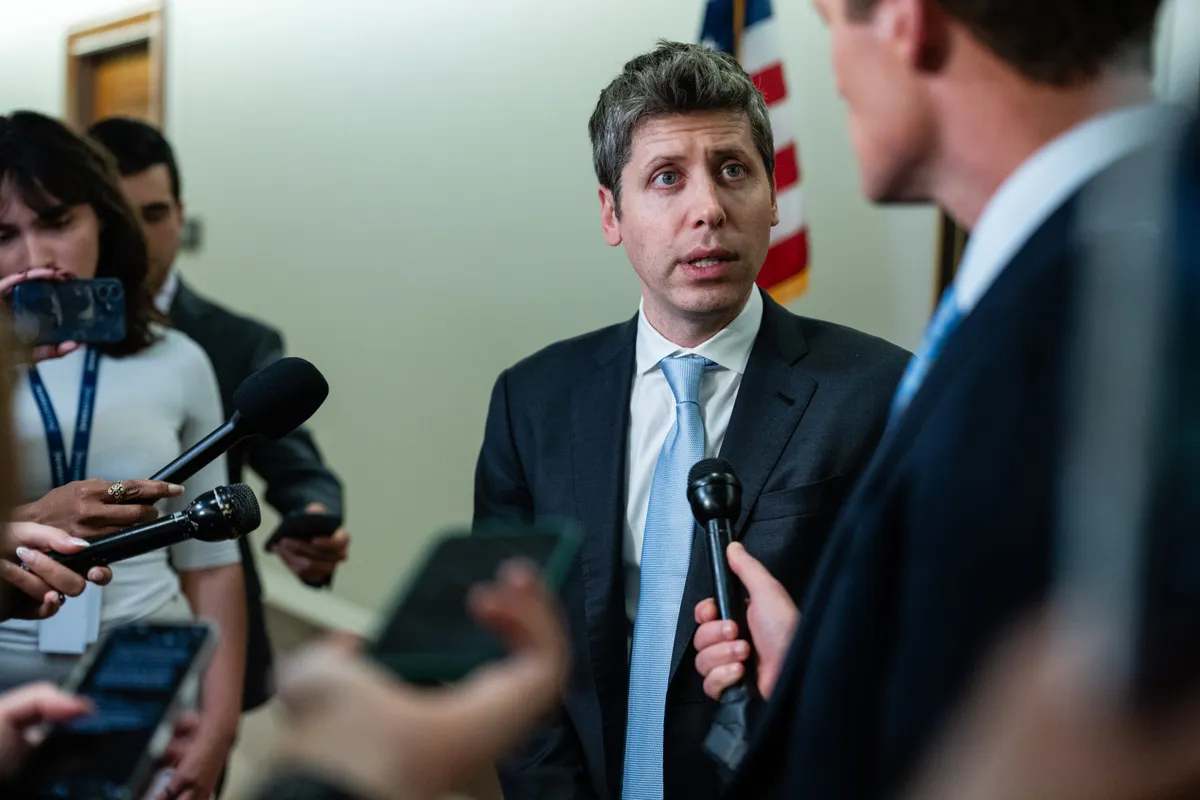
Sam Altman's AI Briefing: Shaping the Future of AI Safety Regulations
OpenAI's Sam Altman is set to brief U.S. officials on the next generation of AI models, focusing on safety and cybersecurity amid rising competition from China. This discussion comes as the U.S. works to establish a framework for AI oversight, crucial in maintaining its technological leadership.
Related articles




Popular in Business Insurance
- Surging War-Risk Insurance Rates in the Strait of Hormuz: What It Means for Shipping
- Ross & Yerger Insurance Faces Class Action Over Data Breach Allegations
- Sompo Expands U.S. Workers' Compensation Portfolio with Service Insurance Acquisition
- Legal Battle Unfolds Over $1 Million Truck Crash Insurance Payout
- Howden Group's Ambitious Journey Toward IPO and Expansion