Mark Walter's Insurance Empire Under Federal Investigation
The financial practices of billionaire Mark Walter's insurance companies are under scrutiny as federal prosecutors investigate potential improprieties, raising questions about transparency and accountability in the insurance industry.

Billionaire Mark Walter, known for his ownership of the Los Angeles Dodgers and other sports franchises, is now facing significant scrutiny from U.S. federal prosecutors over potential financial improprieties involving his insurance companies. As the CEO of Guggenheim Partners and a controlling figure in Delaware Life Insurance Co. and Clear Spring Life and Annuity Co., Walter's expansive financial empire is being dissected in what could become a landmark case in the insurance sector.
This investigation, which began in earnest last year, centers around allegations that these insurance companies may have failed to disclose crucial information about private credit investments that are intricately tied to other facets of Walter's business operations. The implications of these findings could resonate throughout the insurance industry, raising concerns about transparency, accountability, and the integrity of financial reporting.
Overview of the Investigation
Federal prosecutors in Manhattan have launched inquiries into Guggenheim's vast $362 billion money management division, with an expanding focus on its affiliated insurance entities. This dual-track investigation has raised serious questions about the financial practices at these institutions. The insurance companies received grand jury subpoenas in February, indicating a serious level of concern among regulators and law enforcement.
Reports indicate that prosecutors are particularly interested in whether Delaware Life and Clear Spring failed to properly disclose connections between their investments and Walter's broader financial dealings. In a recent regulatory filing, the companies acknowledged that they are under investigation and that they are cooperating with both the U.S. Securities and Exchange Commission (SEC) and the Federal Bureau of Investigation (FBI).

The Stakes of Financial Transparency
Financial transparency is a critical component of trust in the insurance industry. When insurers misrepresent or fail to disclose financial ties and investments, they not only risk legal repercussions but also jeopardize the trust of policyholders who rely on these companies for stability and security. In this case, the investigation has revealed that Delaware Life had $16 billion more in private credit assets linked to affiliates than previously reported, significantly inflating its related party investments from a mere 3% to a staggering 39% of its total investment assets.
This kind of financial mischaracterization can lead to severe repercussions, including:
- Regulatory Penalties: Insurance companies found to be in violation of disclosure laws may face hefty fines and sanctions.
- Loss of Consumer Trust: Policyholders may lose faith in their insurers, leading to potential loss of business.
- Impact on Ratings: Credit rating agencies may downgrade the financial ratings of these companies, affecting their ability to secure favorable funding in the future.

Implications for Policyholders
As this investigation unfolds, the implications for policyholders are significant. If it is determined that these companies engaged in misleading reporting, policyholders could face increased premiums, reduced benefits, or even a decline in service quality. Furthermore, those invested in products offered by Delaware Life and Clear Spring may find themselves in precarious situations if the companies are forced to restructure or reevaluate their investment strategies.
Walter's companies have asserted that they remain financially robust and committed to their policyholders. Group 1001, the parent company for the affected insurers, has claimed that their financial condition is strong despite the scrutiny, and they have initiated a remediation plan to enhance financial controls and reduce exposure to affiliated investments.
The Regulatory Landscape
The scrutiny facing Walter's companies is not occurring in a vacuum. The insurance industry has been under increasing pressure from regulators concerned about the growing exposure of insurance companies to private credit investments—often opaque and illiquid assets that can pose risks to the financial stability of the companies. Treasury Secretary Scott Bessent has held discussions with insurance regulators to address these concerns, indicating a broader regulatory trend that could affect how insurers operate.
This situation underscores the challenges that insurers face amid evolving market conditions and regulatory frameworks. As investment strategies become more complex and intertwined with various financial instruments, regulators are prioritizing transparency and accountability to protect policyholders and maintain the integrity of the financial system.

Looking Ahead: What’s Next?
The outcome of this investigation could set a precedent for how insurance companies are regulated and monitored in the future. Mark Walter's legal team has expressed cooperation with the ongoing investigation, suggesting that they are prepared to address any findings that emerge. However, the final conclusions and potential legal consequences remain uncertain.
As policyholders and industry stakeholders await further developments, there are several proactive steps that consumers can take to protect themselves:
- Stay Informed: Regularly check for updates on the investigation and any regulatory changes that may affect your insurance policies.
- Review Your Policies: Understand the terms of your insurance products and assess any potential risks associated with your insurer’s financial health.
- Engage with Financial Advisors: Seek guidance from financial professionals who can help navigate the implications of these developments and suggest alternative options if necessary.
Key Takeaways
- The investigation into Mark Walter's insurance companies highlights serious concerns about financial transparency in the industry.
- Delaware Life's reported related party investments surged, raising red flags for regulators and investors.
- Policyholders should remain vigilant and informed about their insurers' financial health amid ongoing scrutiny.
- The broader regulatory landscape is evolving as officials seek to enhance oversight in the insurance sector.
Frequently Asked Questions
What prompted the federal investigation into Mark Walter’s insurance companies?
The investigation was initiated due to concerns over potential financial improprieties involving private credit investments that were allegedly not properly disclosed by Walter's insurance firms, Delaware Life and Clear Spring. Federal prosecutors issued grand jury subpoenas seeking clarification on these financial practices.
How might the investigation affect policyholders?
Depending on the outcome, policyholders may experience changes in premiums, benefits, or service quality. If the companies are found to have misrepresented their financial status, it could lead to a loss of consumer trust and necessitate changes in how these firms operate.
What steps can policyholders take to protect themselves during this investigation?
Policyholders should stay informed about the investigation's progress, review their insurance policies for potential risks, and consult with financial advisors to explore alternative options if necessary. Being proactive can help mitigate potential risks associated with the financial health of their insurers.
What is the broader impact of this investigation on the insurance industry?
This case could set a precedent for the level of scrutiny that insurance companies face regarding their financial practices, particularly concerning private credit investments. It may lead to increased regulatory oversight and changes in how insurers report their financial dealings to protect policyholders and maintain market integrity.
Comments
Sam Altman's AI Briefing: Shaping the Future of AI Safety Regulations
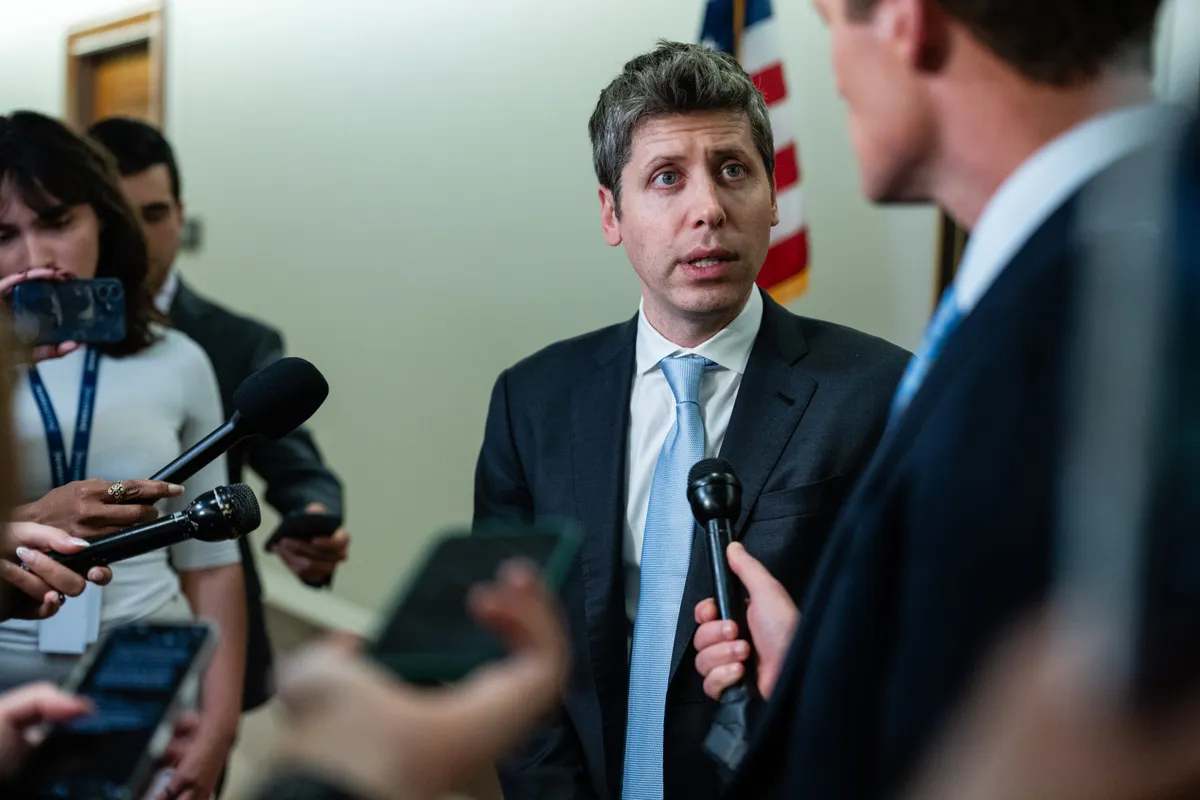
OpenAI's Sam Altman is set to brief U.S. officials on the next generation of AI models, focusing on safety and cybersecurity amid rising competition from China. This discussion comes as the U.S. works to establish a framework for AI oversight, crucial in maintaining its technological leadership.
Related articles






Popular in Business Insurance
- Surging War-Risk Insurance Rates in the Strait of Hormuz: What It Means for Shipping
- Ross & Yerger Insurance Faces Class Action Over Data Breach Allegations
- Sompo Expands U.S. Workers' Compensation Portfolio with Service Insurance Acquisition
- Legal Battle Unfolds Over $1 Million Truck Crash Insurance Payout
- Howden Group's Ambitious Journey Toward IPO and Expansion