New Senate Bill Seeks to Protect Insurers Covering Cannabis Businesses
The CLAIM Act aims to bridge the federal-state gap for cannabis insurers, providing legal protections to encourage coverage of state-licensed cannabis businesses. Learn how this legislation could reshape the insurance landscape.
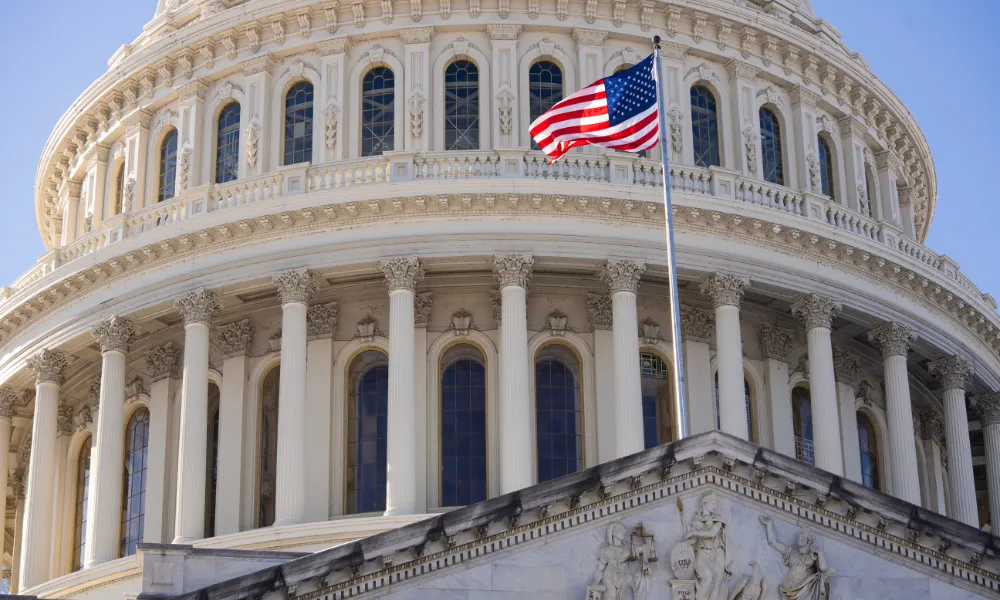
In a bold move to address the ongoing tension between state and federal cannabis laws, a new Senate bill, known as the "Clarifying Law Around Insurance of Marijuana Act" or the "CLAIM Act," has been introduced. Spearheaded by Senators Kevin Cramer and Ruben Gallego, the bill aims to offer a protective shield for insurers that provide coverage to state-legal cannabis businesses, potentially transforming the insurance landscape for this burgeoning industry. With cannabis legalization gaining momentum across numerous states, the uncertainty stemming from its federal prohibition has left many insurers hesitant to engage in this market.
The CLAIM Act, introduced on July 21, 2026, seeks to address these concerns by ensuring that federal agencies cannot penalize or take adverse actions against insurers who choose to cover cannabis-related businesses. This legislative effort not only aims to clarify existing ambiguities but also to foster an environment where insurers feel secure in underwriting policies for cannabis dispensaries, growers, and other related entities.

The Need for the CLAIM Act
Despite the increasing legalization of cannabis at the state level, the persistent federal prohibition creates a complex and often risky environment for insurers. Many insurance providers are wary of the potential repercussions of engaging with cannabis businesses, fearing federal repercussions that could arise from their involvement in this sector. This cautious approach has left many cannabis enterprises without adequate insurance coverage, which is crucial for their operations and viability.
Understanding the Current Landscape
The cannabis market in the United States has seen explosive growth in recent years, with more than half of the states legalizing cannabis for recreational or medicinal use. However, because cannabis remains classified as a Schedule I substance under the Controlled Substances Act, insurance companies have faced significant legal and financial uncertainties when considering providing coverage to these businesses. The stark contrast between state and federal law creates an environment where insurers are reluctant to underwrite policies, leaving cannabis companies vulnerable to risks that could jeopardize their operations.
Key Provisions of the CLAIM Act
The CLAIM Act introduces several key provisions designed to safeguard insurers and encourage them to provide coverage for cannabis-related businesses:
- Safe Harbor Protection: Federal agencies are prohibited from penalizing or discouraging insurers from covering legitimate cannabis businesses as defined by state law.
- Non-Penalization Clause: Regulators cannot take adverse actions against insurers solely based on their association with cannabis businesses or their policyholders.
- Liability Shield: Insurers, along with their officers and employees, cannot be held liable under federal law solely for insuring cannabis businesses or for reinvesting income derived from these operations.
- Study on Barriers to Financial Services: The bill mandates a study by the Comptroller General to examine the obstacles faced by minority-owned and women-owned cannabis businesses in accessing financial services, with a report to Congress.
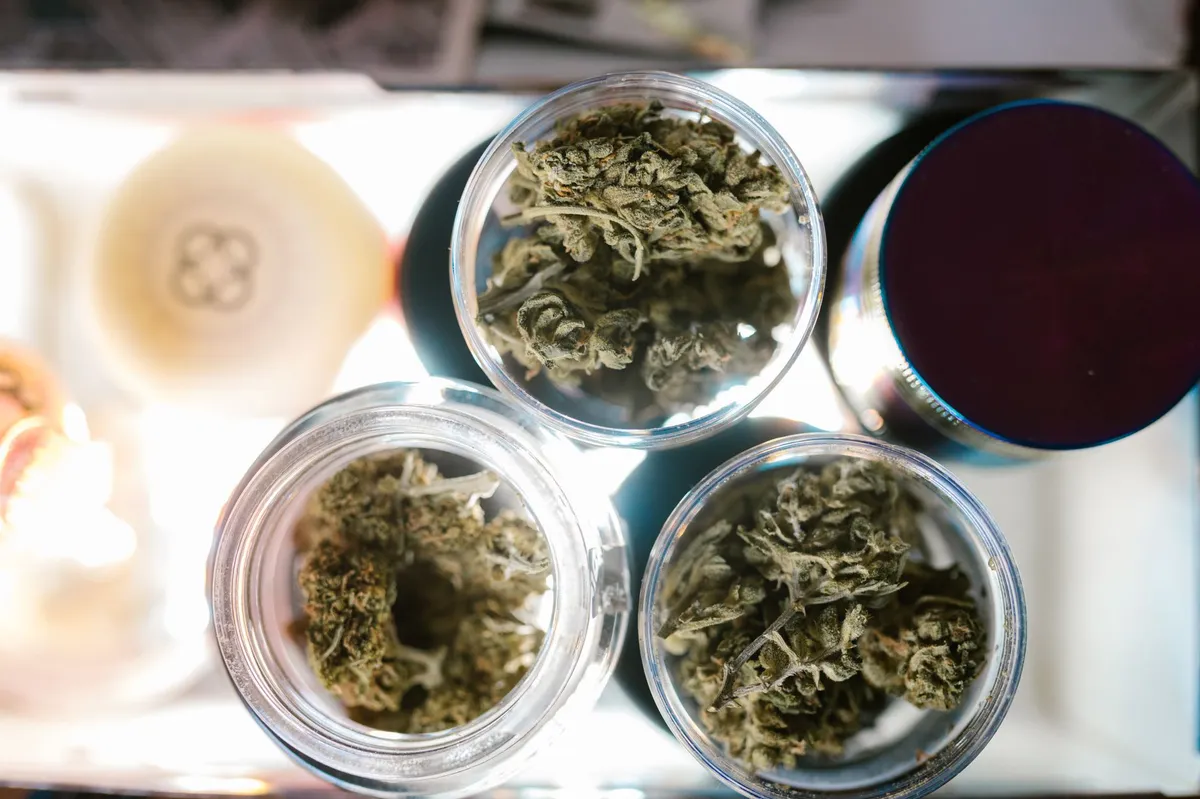
Implications for the Insurance Industry
The introduction of the CLAIM Act could significantly alter the insurance landscape for cannabis businesses, providing much-needed clarity and security for insurers. By establishing a safe harbor, the bill could encourage more insurance companies to enter the cannabis market, thereby increasing the availability of coverage options for dispensaries, manufacturers, and growers. This expanded access to insurance could lead to enhanced stability and growth for the cannabis industry as a whole.
Potential Market Expansion
As more insurers feel empowered to engage with cannabis businesses, the market could experience a wave of new policies tailored to the unique risks associated with this industry. Coverage options could expand to include:
- General liability insurance
- Property insurance for facilities
- Product liability insurance to protect against claims related to cannabis products
- Workers' compensation insurance for employees
This diversification of policies could not only protect cannabis businesses but also stimulate growth within the sector as companies gain the confidence to expand their operations.

Challenges and Considerations Ahead
While the CLAIM Act presents a promising step forward, it is essential to recognize that it is still only a proposal. The bill must navigate through the legislative process, requiring approval from both the Senate and House of Representatives, as well as the President's signature. As such, there are several challenges and considerations that stakeholders must keep in mind:
Legislative Hurdles
Passing the CLAIM Act will require bipartisan support, and given the polarized political climate surrounding cannabis legislation, garnering such support may prove challenging. Additionally, the bill's implications for state-level insurance regulations, particularly in light of the McCarran-Ferguson Act, which grants states the authority to regulate the insurance industry, could lead to further debates and negotiations.
Consumer Awareness and Education
Another critical factor will be the need for consumer awareness and education regarding the availability of insurance options for cannabis businesses. As insurance providers begin to enter this market, cannabis companies will need to understand their options and the importance of securing appropriate coverage to protect their assets and operations.
Key Takeaways
- The CLAIM Act aims to protect insurers providing coverage to state-legal cannabis businesses from federal penalties.
- The bill introduces a safe harbor provision, ensuring that insurers cannot be penalized for engaging with cannabis-related enterprises.
- Should the bill pass, it could significantly expand the availability of insurance options for the cannabis industry.
- Stakeholders must navigate legislative hurdles before the CLAIM Act can become law.
- Consumer education will be crucial as more insurers enter the cannabis market.
Frequently Asked Questions
What is the purpose of the CLAIM Act?
The CLAIM Act is designed to provide legal protections for insurers that cover cannabis-related businesses operating legally under state law. By preventing federal agencies from penalizing insurers, the bill aims to encourage more insurance companies to enter the cannabis market and provide essential coverage options for these businesses.
How does the CLAIM Act impact cannabis businesses?
If passed, the CLAIM Act would create a more favorable environment for cannabis businesses by increasing access to insurance coverage. This could lead to enhanced stability and growth within the cannabis sector, as businesses would be better protected against risks associated with their operations.
What are the next steps for the CLAIM Act?
The CLAIM Act is currently in the legislative process and must be approved by both the Senate and House of Representatives before being signed into law by the President. Stakeholders will need to advocate for support and address any concerns raised during the legislative discussions.
How can cannabis businesses prepare for potential changes in insurance coverage?
Cannabis businesses should begin by assessing their current insurance needs and exploring available options. As the CLAIM Act progresses, businesses should stay informed about legislative developments and consider working with insurance professionals who have expertise in the cannabis market to ensure they have appropriate coverage in place.
Comments
Tesla's Cybertruck Sales Struggles: Echoes of the Edsel Flop
Tesla's Cybertruck has launched with disappointing sales figures reminiscent of the Ford Edsel disaster. As industry analysts weigh in, the future of this polarizing vehicle hangs in the balance.

Related articles







Popular in Business Insurance
- Surging War-Risk Insurance Rates in the Strait of Hormuz: What It Means for Shipping
- Ross & Yerger Insurance Faces Class Action Over Data Breach Allegations
- Sompo Expands U.S. Workers' Compensation Portfolio with Service Insurance Acquisition
- Legal Battle Unfolds Over $1 Million Truck Crash Insurance Payout
- Howden Group's Ambitious Journey Toward IPO and Expansion