Abbott Laboratories Triumphs in Shareholder Lawsuit Over Infant Formula Recall
A federal judge dismissed a lawsuit against Abbott Laboratories related to its 2022 infant formula recall, ruling that shareholders failed to demonstrate fraud or deception. This decision has significant implications for corporate accountability and shareholder rights.
In a significant ruling on July 24, 2026, U.S. District Judge Steven Seeger dismissed a lawsuit against Abbott Laboratories, which had been accused of defrauding its shareholders during the fallout from a 2022 recall of powdered infant formula. The case stemmed from the company’s handling of the recall, which was necessitated by reports of severe bacterial infections in infants linked to products manufactured at its Sturgis, Michigan plant. The dismissal of this lawsuit not only highlights the challenges shareholders face in proving corporate fraud but also underscores the broader implications for transparency and accountability in the pharmaceutical industry.
The lawsuit was brought forth by two European asset managers who claimed that Abbott had downplayed the severity of the contamination issue and misled investors about its commitment to quality and safety. They argued that the company concealed critical information, including poor conditions at the Sturgis plant, which contributed to a national shortage of baby formula during the COVID-19 pandemic. This case raises important questions about the responsibilities of large corporations in managing public health crises and the extent to which they must disclose risks to shareholders.
Background on the Recall and Its Consequences
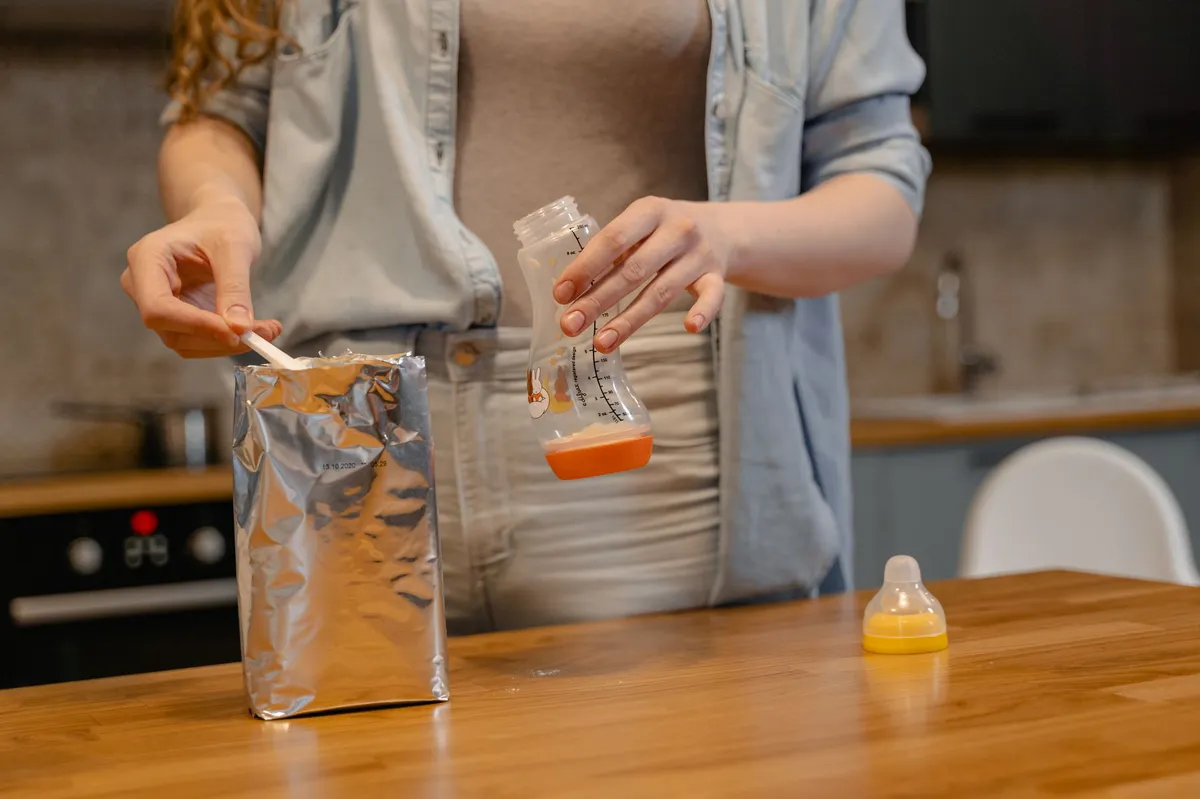
The 2022 recall involved several popular infant formula brands, including Similac, Alimentum, and EleCare. Following the discovery of potential contamination at the Sturgis plant, Abbott faced intense scrutiny from regulators and the public, exacerbating an already critical formula shortage that had begun during the pandemic. The situation highlighted vulnerabilities in the supply chain for essential products, particularly those crucial for infant nutrition.
The Impact of the Recall
Before the recall, Abbott held a commanding market share of over 40% in the U.S. infant formula market. The company’s decision to close the Sturgis plant not only affected its operations but also had widespread repercussions for families relying on formula feeding, leading to empty shelves and increased prices in stores across the country. The fallout prompted discussions about food safety regulations and the need for better oversight of manufacturing practices in the food industry.
The Lawsuit: Claims and Dismissal
The plaintiffs in the lawsuit accused Abbott of securities fraud, alleging that the company waited too long to inform stakeholders about the contamination and misrepresented its adherence to regulatory standards. The shareholders contended that Abbott’s failures inflated its stock price until the recall was announced, causing significant financial losses once the truth emerged.
However, Judge Seeger’s ruling pointed out that the shareholders did not provide sufficient evidence to prove that Abbott intended to deceive them or mismanage the plant deliberately. In his 141-page decision, he stated, “Mismanaging a plant that makes infant formula is bad, but it’s not securities fraud.” The judge emphasized that many of the statements made by Abbott were too vague to warrant liability, noting that claims about product safety are common in the corporate world.
- Judge Seeger found no intent to deceive shareholders.
- Abbott's statements on quality and safety were deemed too general.
- Shareholders may attempt to amend their complaint, but prospects for success appear slim.

Legal Implications and Shareholder Rights
This ruling has profound implications for shareholders and their ability to hold corporations accountable for alleged misconduct. The decision reinforces the challenging legal landscape surrounding securities fraud cases, where proving intent to deceive is a crucial element. Shareholders often find themselves at a disadvantage due to the high burden of proof required to demonstrate fraudulent behavior.
The case illustrates the need for shareholders to remain vigilant and informed about the operations of the companies in which they invest. While corporate transparency is vital, the legal standards for proving fraud can be stringent. Shareholders must understand the nuances of securities law and the specific requirements for filing lawsuits against corporations.
Looking Forward
Despite the dismissal, this case may motivate shareholders to adopt more proactive measures to safeguard their investments. Increased scrutiny of corporate governance practices and a demand for greater transparency could emerge as a response to Abbott's legal victory. Additionally, the FDA's role in overseeing food safety practices may come under renewed examination, highlighting the importance of regulatory agencies in protecting public health.

Key Takeaways
- Abbott Laboratories successfully dismissed a shareholder lawsuit related to its 2022 infant formula recall.
- The court ruled that shareholders could not prove intent to deceive or misrepresentation.
- The case highlights challenges in holding corporations accountable for alleged misconduct.
- Increased scrutiny of corporate governance and food safety regulations may result from this ruling.
Frequently Asked Questions
What led to the Abbott infant formula recall in 2022?
The recall was initiated after reports surfaced linking Abbott's powdered infant formula products to severe bacterial infections in infants. Investigations revealed potential contamination at the Sturgis plant, prompting the company to close the facility and recall products, which further intensified a nationwide formula shortage.
What were the main claims made by the shareholders against Abbott?
The shareholders alleged that Abbott misled them about the safety and quality of its products, concealed information about contamination issues, and failed to timely disclose critical information to regulatory bodies like the FDA. They claimed these actions resulted in inflated stock prices and significant financial losses once the recall was announced.
What does this dismissal mean for future shareholder lawsuits?
The dismissal sets a precedent for the difficulty of proving securities fraud in cases where corporate mismanagement is alleged. It emphasizes the importance of demonstrating intent to deceive, which can be a high hurdle for plaintiffs in similar cases. It may also discourage future lawsuits unless there is clear and compelling evidence of wrongdoing.
How does this case affect consumer trust in Abbott Laboratories?
The outcome of this lawsuit may have mixed implications for consumer trust. While Abbott's legal victory may reassure some investors, it could also raise concerns among consumers regarding the company's commitment to safety and transparency. Trust in Abbott and similar companies may depend on their response to regulatory scrutiny and their efforts to improve manufacturing practices going forward.
Comments
Tesla's Cybertruck Sales Struggles: Echoes of the Edsel Flop
Tesla's Cybertruck has launched with disappointing sales figures reminiscent of the Ford Edsel disaster. As industry analysts weigh in, the future of this polarizing vehicle hangs in the balance.

Related articles






Popular in Business Insurance
- Surging War-Risk Insurance Rates in the Strait of Hormuz: What It Means for Shipping
- Ross & Yerger Insurance Faces Class Action Over Data Breach Allegations
- Sompo Expands U.S. Workers' Compensation Portfolio with Service Insurance Acquisition
- Legal Battle Unfolds Over $1 Million Truck Crash Insurance Payout
- Howden Group's Ambitious Journey Toward IPO and Expansion