Tesla's Cybertruck Sales Struggles: Echoes of the Edsel Flop
Tesla's Cybertruck has launched with disappointing sales figures reminiscent of the Ford Edsel disaster. As industry analysts weigh in, the future of this polarizing vehicle hangs in the balance.
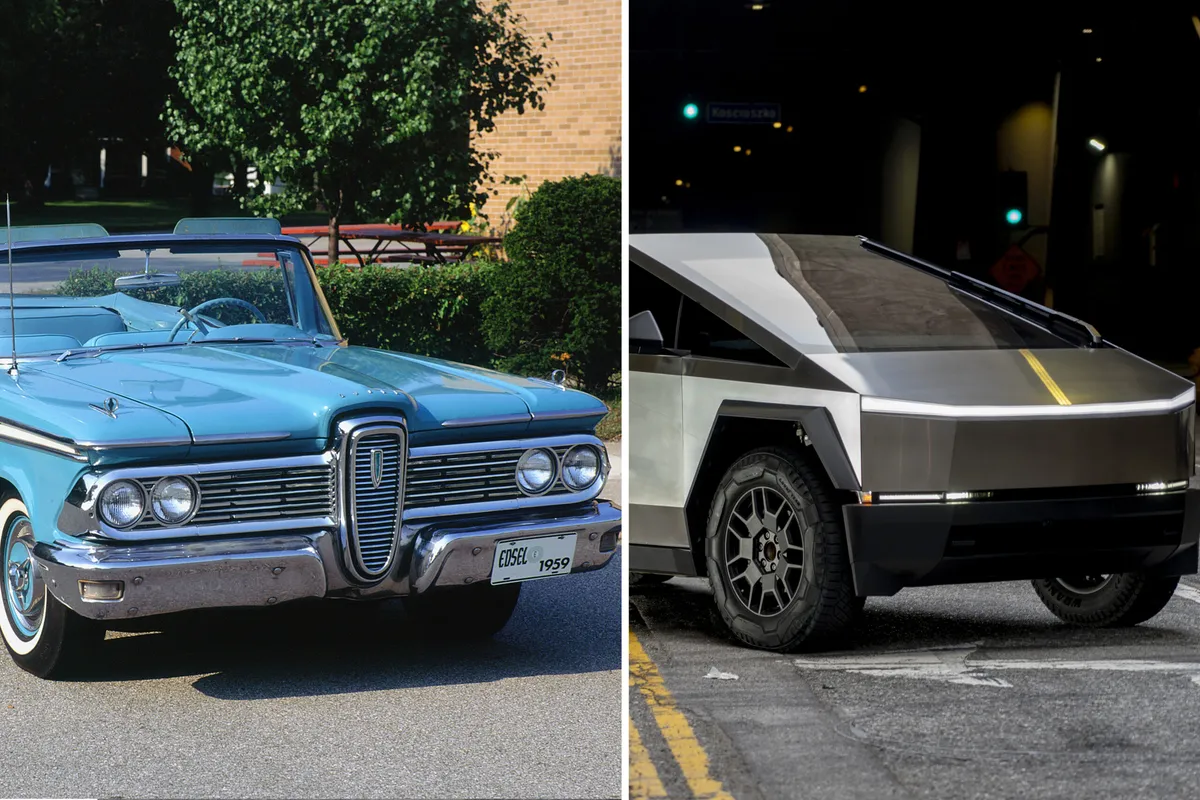
The automotive industry is no stranger to ambitious launches that ultimately miss the mark, but few failures have been as notorious as Ford's Edsel. Introduced in 1957, the Edsel was expected to revolutionize the car market, yet it quickly became synonymous with failure. Fast forward to today, and Tesla's Cybertruck appears to be charting a similar course. With its angular design and lofty sales projections, the Cybertruck has not only struggled to meet expectations but has also sparked comparisons to the Edsel, raising questions about its viability in the competitive electric vehicle market.
When Tesla began delivering the Cybertruck in 2023, CEO Elon Musk heralded it as the company's most significant innovation yet. His vision of producing over 250,000 units annually seemed ambitious, but reality has proven starkly different. Recent reports indicate that only 7,133 Cybertrucks were registered in the U.S. through May 2026, a figure that pales in comparison to the ambitious forecast. This raises critical questions about the vehicle's design, market positioning, and the broader implications for Tesla's brand and future.
The Ford Edsel: A Historical Perspective
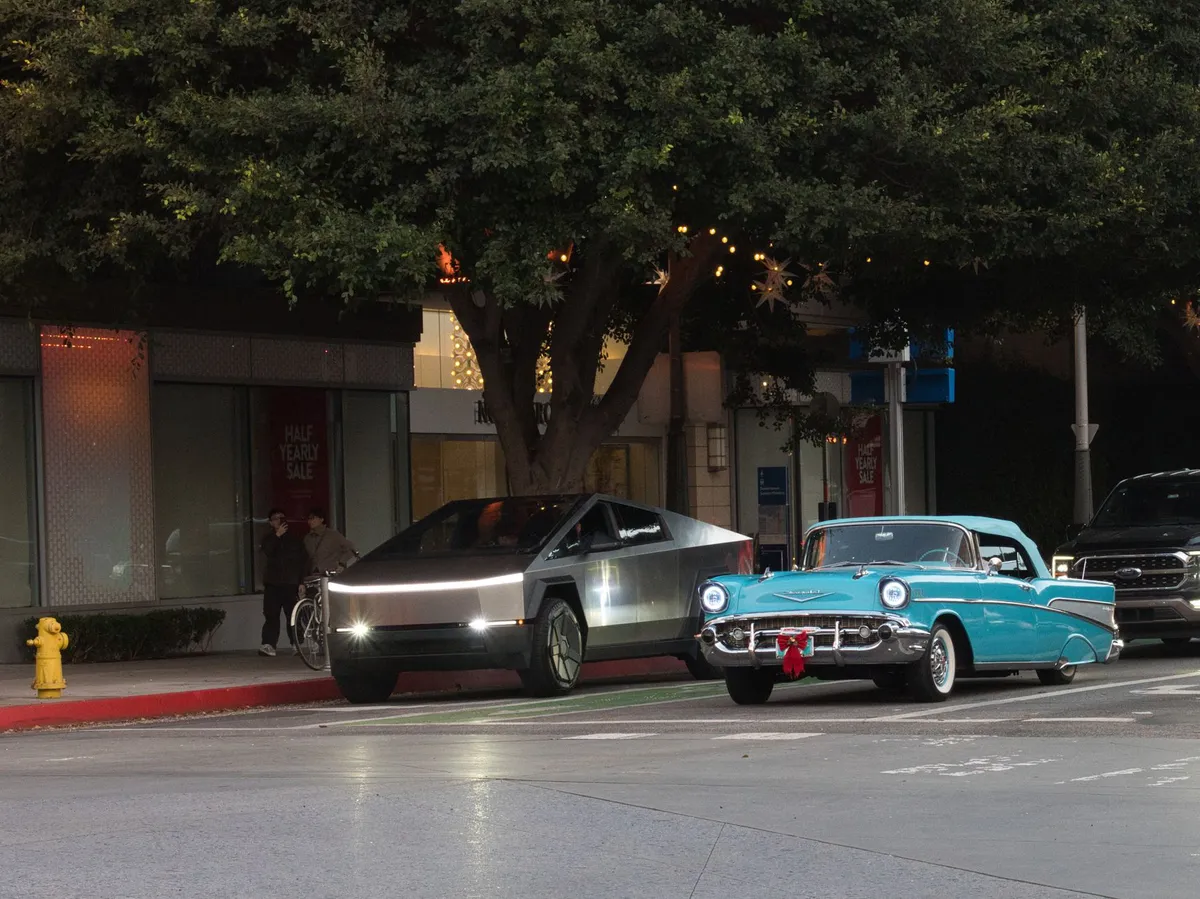
To understand the current situation with the Cybertruck, it's essential to reflect on the Edsel's story. Launched with great fanfare, the Edsel was characterized by its unique design features, such as an oval-shaped front grille and push-button transmission. Ford projected sales of 200,000 units in its inaugural year, but reality hit hard when fewer than 20,000 were sold. The Edsel's failure stemmed from a combination of economic downturn, poor design choices, and ultimately, a failure to resonate with consumers.
Lessons from the Edsel's Downfall
The Edsel's experience serves as a cautionary tale for Tesla. Despite extensive market research, Ford misjudged consumer preferences, leading to a product that many deemed unattractive. Similarly, the Cybertruck's unconventional aesthetics have drawn mixed reviews, with some critics labeling it as “wacky.” This polarizing design, combined with a higher-than-expected starting price of over $100,000, may alienate potential buyers rather than attract them.
Cybertruck: Sales Performance and Market Reception
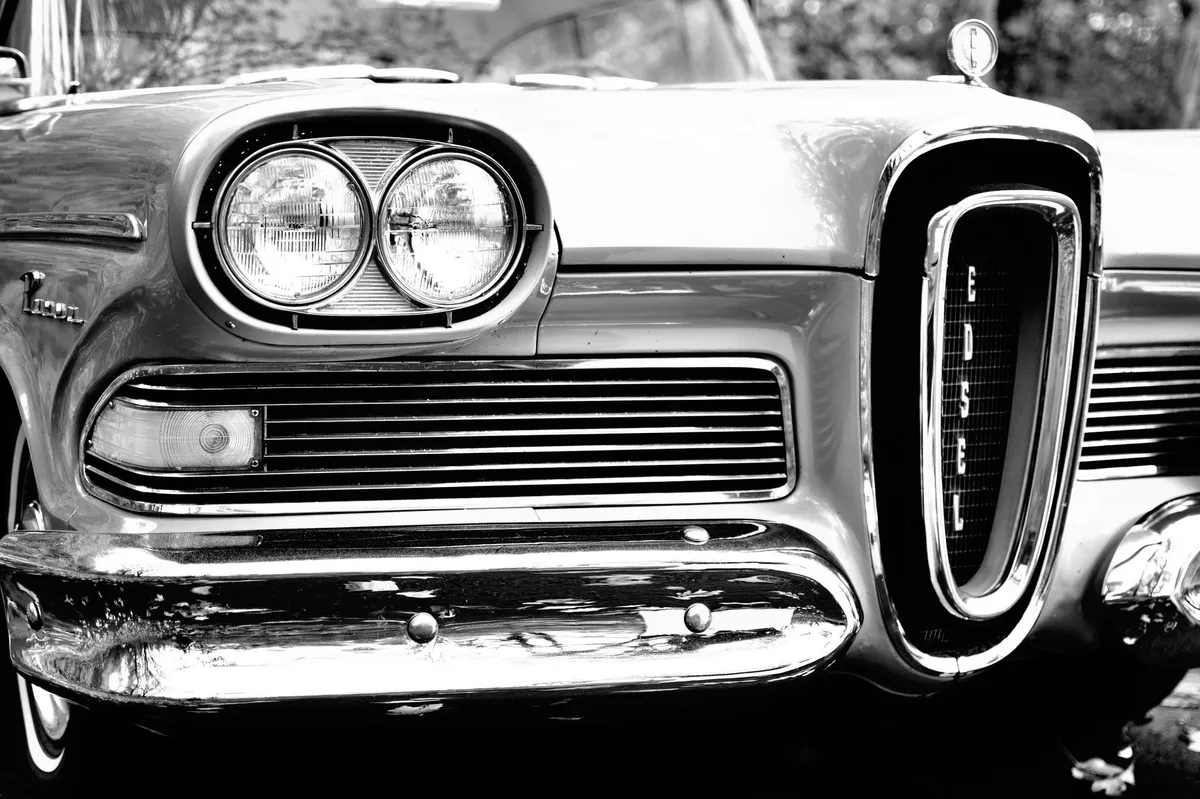
The Cybertruck's sales trajectory has been concerning from the outset. Tesla's early projections indicated that the vehicle would capture a significant share of the pickup market, an arena dominated by established brands like Ford and Chevrolet. Yet, the 7,133 units registered in 2026 reflect a disconnect between expectations and reality. Analysts point out that the Cybertruck's design and price point cater to a niche market rather than the mainstream consumer.
Market Dynamics and Consumer Sentiment
Elon Musk's polarizing public persona and political affiliations may also play a role in the Cybertruck's lukewarm reception. As the largest individual donor in the 2024 presidential election, Musk's support for controversial policies has garnered backlash, potentially impacting Tesla's brand image. Consumer sentiment towards Musk, combined with the Cybertruck's distinct design, creates a unique challenge for Tesla as it seeks to penetrate the competitive pickup market.
Challenges in Production and Quality Control
The Cybertruck has faced numerous production challenges that have compounded its sales woes. Its stainless-steel exterior, while touted for its toughness, has proven difficult to manufacture. Reports of recalls and quality issues, such as problems with the vehicle's doors failing to open after accidents, have further marred its reputation. In contrast, Ford's Edsel suffered from similar quality control issues due to production inefficiencies, which resulted in vehicles being shipped with unfinished components.
Implications for Tesla's Future
Looking ahead, industry experts are divided on the Cybertruck's fate. Garrett Nelson, an equity analyst at CFRA Research, suggests that while discontinuation is unlikely in the near term, Tesla may explore redesigns or variants to boost sales. However, he cautions that these efforts might be in vain, indicating that the Cybertruck could gradually fade from the market.
What Lies Ahead for Tesla?
The future of the Cybertruck remains uncertain. With its sales figures falling drastically short of initial forecasts and a market increasingly skeptical of its design and pricing, Tesla faces a significant uphill battle. Unlike the Edsel, which is now seen as a collector's item, the long-term appeal of the Cybertruck is still in question. As Jessica Caldwell of Edmunds insightfully notes, the Cybertruck's unconventional styling limits its appeal to a niche audience, transforming it into a “rolling billboard for divided public sentiment.”
Key Takeaways
- Disappointing Sales: The Cybertruck sold only 7,133 units in its first year, significantly below expectations.
- Design and Price Concerns: Its polarizing design and high price point have alienated potential buyers.
- Production Challenges: Difficulties in manufacturing have led to quality control issues and recalls.
- Market Uncertainty: Analysts are skeptical about the vehicle's long-term viability and impact on Tesla's brand.
- Comparative Analysis: The Cybertruck's trajectory mirrors the Ford Edsel's notorious failure, raising questions about Tesla's future.
Frequently Asked Questions
What are the primary factors contributing to the Cybertruck's poor sales?
The poor sales of the Cybertruck can be attributed to several factors, including its unconventional design, which has polarized consumer opinion, and its high starting price, which places it outside the reach of many potential buyers. Additionally, production challenges and quality control issues have further diminished consumer confidence in the vehicle.
How does the Cybertruck's situation compare to the Edsel's failure?
Both the Cybertruck and the Edsel share a history of ambitious marketing and subsequent disappointing sales. The Edsel's launch was marked by high expectations that were quickly dashed due to design and economic miscalculations. Similarly, Tesla's Cybertruck has failed to meet initial sales projections, highlighting the risks inherent in launching a radically different product.
What might Tesla do to improve Cybertruck sales moving forward?
To improve sales, Tesla may consider redesigning the Cybertruck or offering different variants to appeal to a broader audience. Enhancing marketing strategies to address consumer concerns and promoting the vehicle's unique features could also help. However, analysts warn that significant changes may be necessary to reverse the current trajectory.
Can the Cybertruck become a collector's item like the Edsel?
While the Edsel has gained a niche following among collectors, the future of the Cybertruck as a collector's item is uncertain. Its distinct design and the controversies surrounding its launch may limit its appeal in the long run. The Cybertruck may need a cultural shift in perception to achieve similar status as the Edsel in the eyes of collectors.
Comments
Navigating Insurance Gaps: The Underinsurance Crisis Among Small Businesses
A significant number of small businesses are underinsured, prioritizing other expenses over necessary coverage. This article explores the implications, causes, and what business owners can do.

Related articles







Popular in Business Insurance
- Surging War-Risk Insurance Rates in the Strait of Hormuz: What It Means for Shipping
- Ross & Yerger Insurance Faces Class Action Over Data Breach Allegations
- Sompo Expands U.S. Workers' Compensation Portfolio with Service Insurance Acquisition
- Legal Battle Unfolds Over $1 Million Truck Crash Insurance Payout
- Howden Group's Ambitious Journey Toward IPO and Expansion