Legal Challenges Emerge as Small Businesses Fight Trump's New Tariffs
Small businesses are taking legal action against the Trump administration's latest tariffs, arguing they violate trade laws and impose undue burdens. This article explores the implications of these tariffs on American businesses and the ongoing legal battles.
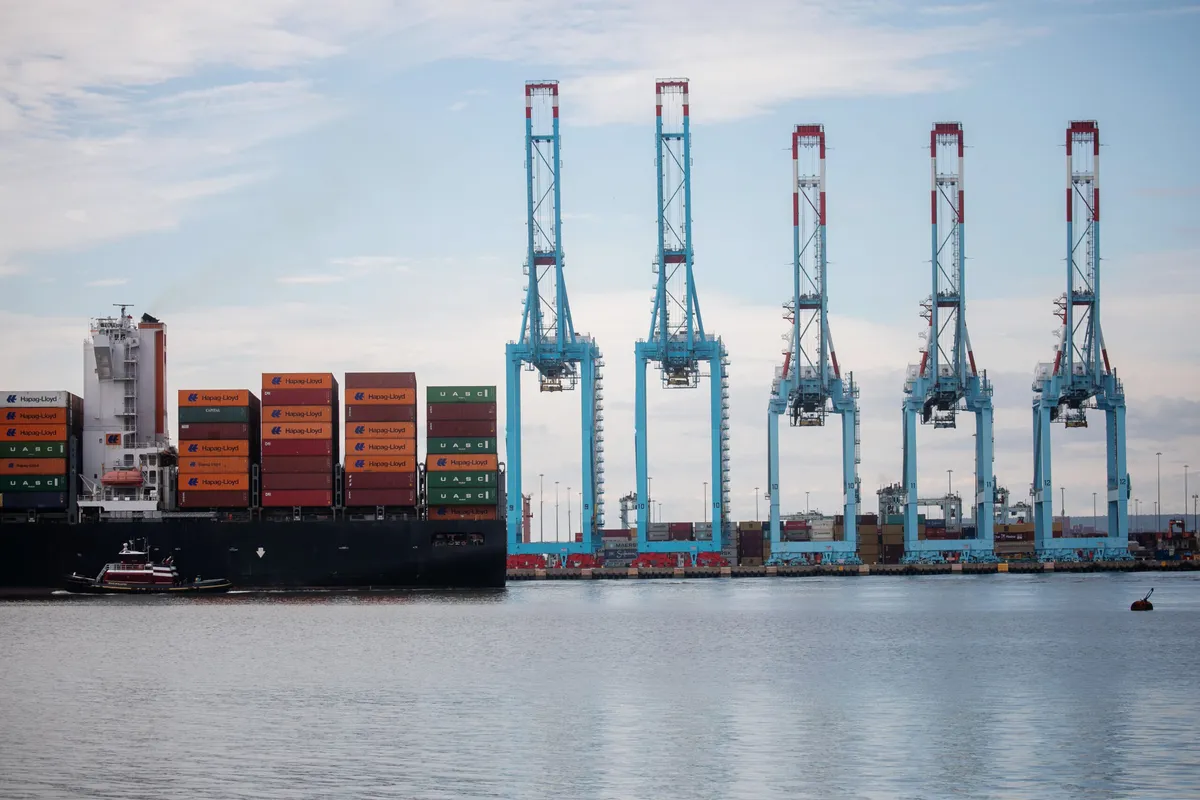
The Trump administration’s latest round of tariffs, announced on July 23, 2026, has ignited a legal firestorm, as small businesses across the United States file lawsuits in response to the implementation of these global duties. Ranging from 10% to 12.5%, these tariffs were enacted under Section 301 of the Trade Act of 1974, a move that many small businesses argue is not only legally questionable but also detrimental to the very fabric of American commerce.
At the heart of the matter is the accusation that these tariffs unfairly target a broad swath of imports without the necessary country-specific scrutiny that Congress envisioned when it adopted Section 301. With the tariffs set to impact various sectors, including spices and educational toys, small businesses are banding together to challenge what they perceive as a misapplication of trade law that could have far-reaching consequences.
Understanding the Legal Framework Behind the Tariffs
Section 301 of the Trade Act empowers the US Trade Representative (USTR) to impose tariffs in response to unfair trade practices by foreign nations. This legal framework allows the USTR to act when other countries’ trade measures are deemed discriminatory against American businesses or violate international trade agreements. However, critics argue that the Trump administration is misusing this authority.
Background on Previous Tariffs
This current legal challenge is not the first for the Trump administration regarding tariffs. Earlier this year, the Supreme Court ruled that previous tariffs imposed under the International Emergency Economic Powers Act (IEEPA) were illegal, forcing the administration to pivot to Section 301. The new tariffs were seen as an attempt to create a new tariff wall after the Supreme Court’s decision invalidated earlier measures, which had generated substantial controversy and legal disputes.
- Previous tariffs under IEEPA: The Supreme Court ruled them illegal.
- Current tariffs affect: A wide range of products imported from various countries.
- Legal basis: Section 301 allows tariffs for discriminatory practices, but critics argue it lacks specificity.
The Small Business Response: Legal Action and Class Actions
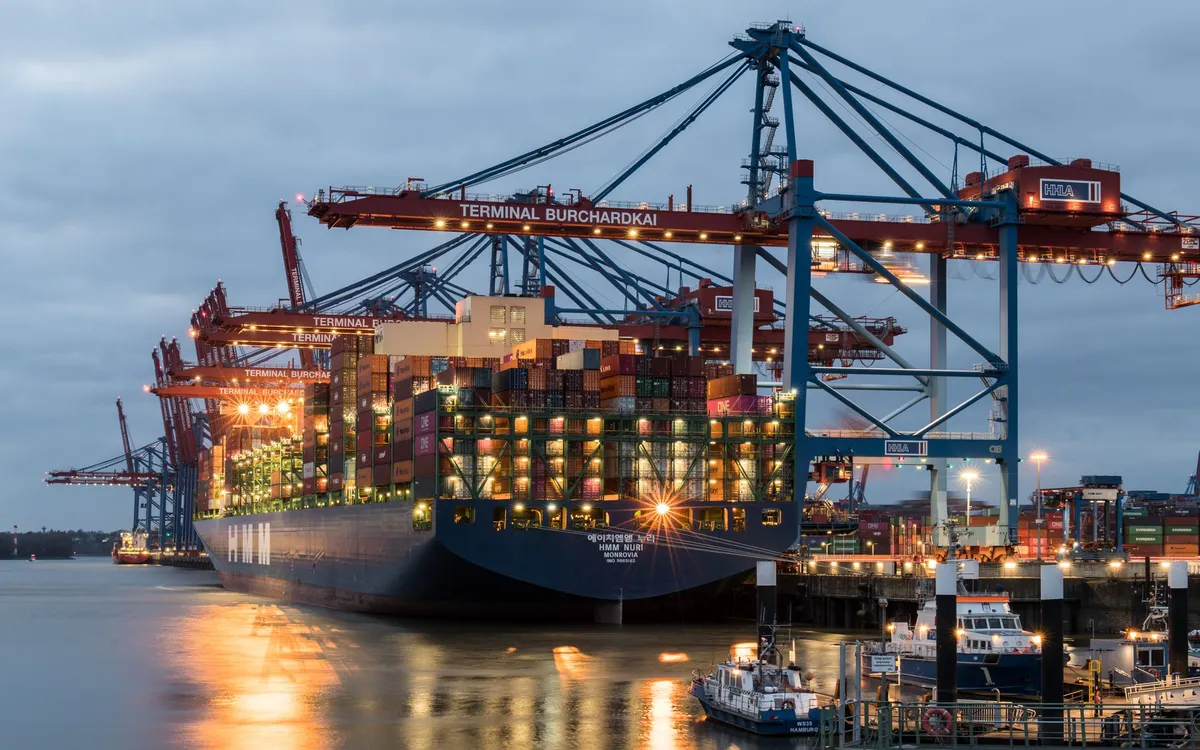
In response to the new tariffs, two significant lawsuits have emerged. The first, filed by spice importer Burlap and Barrel Inc. and watch retailer Collective Horology LLC, has garnered attention as a proposed class action suit. The plaintiffs argue that the new tariffs are not justified under Section 301 as they do not adequately differentiate between countries and their specific practices.
Impacts on Importers and Small Businesses
These legal challenges are particularly significant as they represent a broader struggle for small businesses that often lack the resources to absorb increased costs associated with tariffs. The tariffs are expected to create a ripple effect throughout the supply chain, potentially leading to higher prices for consumers and reduced competitiveness for small businesses in the market.
As stated by Sara Albrecht, CEO of the Liberty Justice Center, which is leading the charge for the plaintiffs, “Forced labor is morally indefensible, but an important objective does not give the government permission to ignore the law.” This sentiment underscores the delicate balance between ethical trade practices and legal compliance.
The Ongoing Fallout from Previous Tariffs
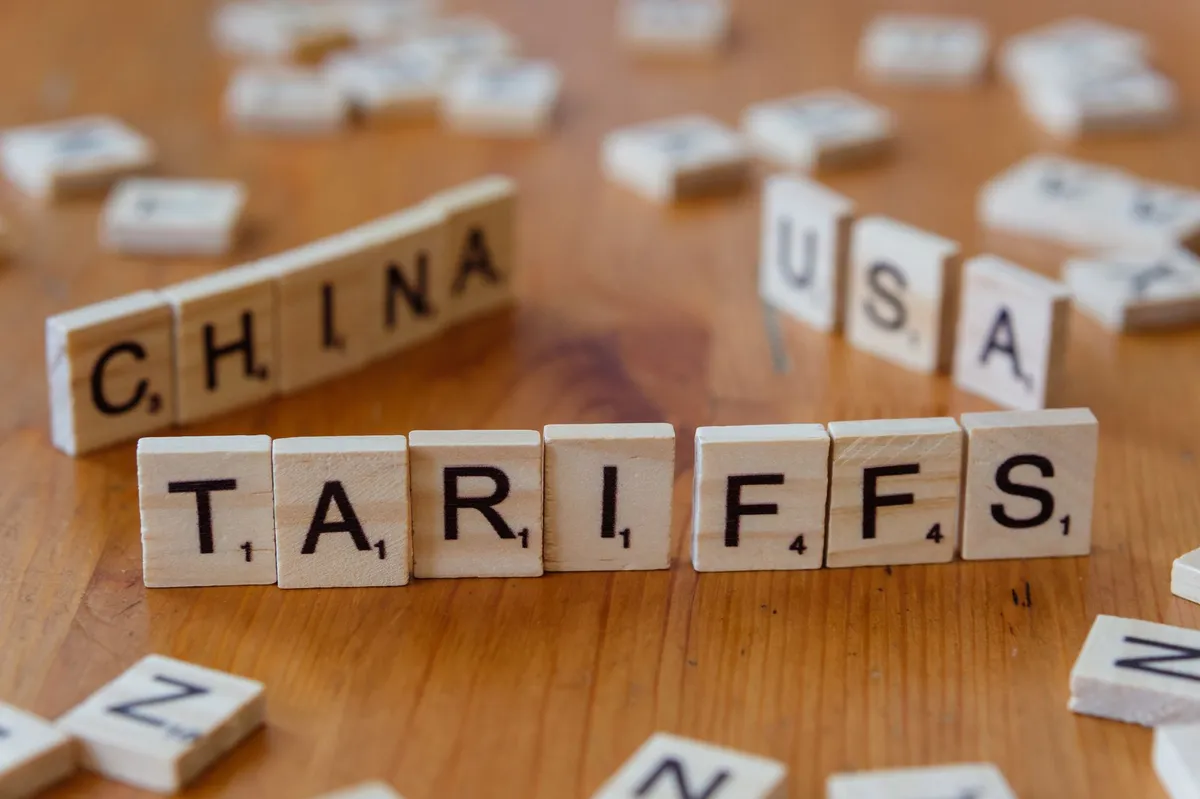
The controversy surrounding the IEEPA tariffs has left customs authorities grappling with refund demands from thousands of businesses affected by the previous levies, amounting to approximately $166 billion. The ongoing disputes over these refunds provide a glimpse of the potential logistical and legal headaches that could arise from the new Section 301 tariffs.
Logistical Challenges Ahead
The trade court has faced challenges in addressing these issues, having previously denied requests to block the IEEPA tariffs before the Supreme Court’s ruling. The volume and complexity of the cases have only increased, leading to significant financial implications for both the government and impacted businesses.
Currently, the government has paid billions in refunds related to the IEEPA tariffs, but the Justice Department is contesting how the trade court’s authority applies to these refunds. The administration is appealing a judge’s order that would require recalculating tariffs for all importers, arguing that the judge can only issue orders applicable to parties in court.

The Future of Trade and Tariffs
The lawsuits filed by small businesses not only challenge the legality of the tariffs but also shine a light on the future of trade in the United States. With increasing tensions between the US and other major economies, the implications of such legal actions could reshape how American businesses interact with global markets.
Potential Outcomes
As these legal battles unfold, small businesses, consumers, and policymakers alike are left to navigate the repercussions of the new tariffs. If the courts side with the plaintiffs, it could set a precedent that would compel the government to reassess its approach to trade and tariffs. Conversely, if the administration prevails, it may embolden further tariff actions that could disproportionately affect small businesses.
Key Takeaways
- Legal Challenges: Small businesses are suing the Trump administration over new tariffs, claiming they violate trade laws.
- Tariff Impact: New tariffs range from 10% to 12.5%, affecting various sectors and leading to increased costs.
- Refund Issues: Ongoing disputes over previous tariffs highlight potential complexities in the legal system.
- Future Trade Relations: The outcome of these lawsuits could redefine US trade policies and practices.
Frequently Asked Questions
What are the new tariffs about?
The new tariffs imposed by the Trump administration range from 10% to 12.5% on imports from most major trading partners. This action is part of an ongoing effort to address concerns over forced labor in global supply chains and aims to replace previous tariffs that were ruled illegal by the Supreme Court.
Who is affected by these tariffs?
These tariffs primarily impact small businesses that rely on imported goods, as they face increased costs that may lead to higher prices for consumers. The tariffs affect a variety of sectors, including spices, educational toys, and other consumer products, making the financial burden widespread.
What legal recourse do businesses have against these tariffs?
Businesses have the option to file lawsuits against the government, as seen with the recent cases filed in the US Court of International Trade. These lawsuits challenge the legality of the tariffs under Section 301, arguing that they fail to meet the specific requirements laid out by Congress.
How might these tariffs affect the US economy?
If the tariffs remain in place, they could lead to increased prices for consumers, reduced competitiveness for small businesses, and potential retaliatory measures from affected countries. The long-term economic implications could reshape supply chains and trade relationships, impacting the broader US economy.
Comments
Tesla's Cybertruck Sales Struggles: Echoes of the Edsel Flop
Tesla's Cybertruck has launched with disappointing sales figures reminiscent of the Ford Edsel disaster. As industry analysts weigh in, the future of this polarizing vehicle hangs in the balance.

Related articles






Popular in Business Insurance
- Surging War-Risk Insurance Rates in the Strait of Hormuz: What It Means for Shipping
- Ross & Yerger Insurance Faces Class Action Over Data Breach Allegations
- Sompo Expands U.S. Workers' Compensation Portfolio with Service Insurance Acquisition
- Legal Battle Unfolds Over $1 Million Truck Crash Insurance Payout
- Howden Group's Ambitious Journey Toward IPO and Expansion