Massachusetts Jury Awards $56 Million to Victim of Amazon Delivery Driver Crash
A landmark case in Massachusetts results in a $56 million jury award for a 78-year-old man injured by an Amazon delivery driver, highlighting issues of liability and corporate responsibility.
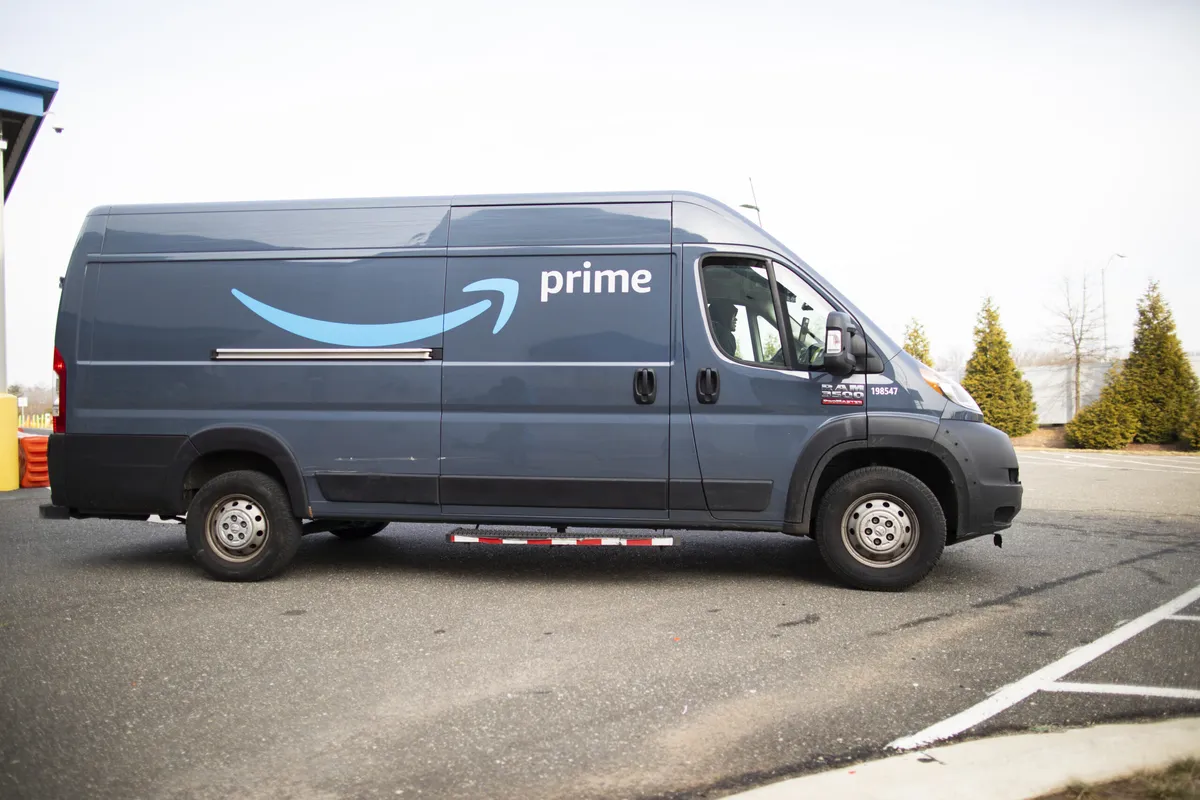
In a significant legal victory for victims of traffic accidents, a Massachusetts jury awarded $56 million to 78-year-old Malcolm Carnwath, who suffered catastrophic injuries after his vehicle was struck by an Amazon delivery van. This case, which underscores crucial issues of agency liability and corporate responsibility, was marked by Amazon's late acknowledgment of its liability in the accident, raising questions about the accountability of corporations that rely on independent contractors.
The accident occurred in 2024 when Carnwath's vehicle was involved in a head-on collision with an Amazon-branded delivery truck driven by a driver from Agora Logistics LLC, a partner delivery service for Amazon. Allegations emerged that the driver had fallen asleep at the wheel, leading to the crash that left Carnwath with severe injuries, including traumatic brain damage, multiple strokes, and a leg amputation. The case not only highlights the personal tragedy faced by the victim but also reflects broader concerns about safety and accountability in the gig economy.
Understanding the Case: Key Details
The incident that led to this landmark verdict occurred on a New Hampshire road and was characterized by a series of legal maneuvers that showcased the complexities of liability in cases involving independent delivery services. Initially, Amazon denied responsibility for the actions of the driver, who was technically an employee of Agora Logistics rather than Amazon itself. This distinction is vital as it relates to the legal principle of vicarious liability, which holds employers responsible for the actions of their employees performed within the scope of their employment.
As the trial approached, the dynamics shifted significantly. In July 2026, just weeks before the trial was set to begin, the driver admitted negligence, and Agora Logistics conceded that the driver was acting within the scope of his employment at the time of the accident. Furthermore, a week before the trial, Amazon stipulated to agency liability, effectively accepting responsibility for the crash.

The Impact of Pre-Trial Stipulations
The stipulation by Amazon marked a pivotal turn in the case, allowing the trial to focus on Carnwath's damages rather than the question of liability. The plaintiff's attorneys, seeking $300 million, faced the challenge of proving the extent of damages while Amazon's offer capped at $37 million. Ultimately, the jury's decision to award $56 million is a reflection of the severity of Carnwath's injuries and the impact on his quality of life.
A Landmark Verdict
This verdict is noteworthy for several reasons. It represents the largest single-plaintiff personal injury verdict in Massachusetts history and is the largest award against Amazon in a related context nationwide. The attorneys involved in the case have stated that the stipulations related to agency liability could serve as a precedent for other cases involving independent contractors and large corporations.
The Legal Context: Vicarious Liability Explained
Vicarious liability is a legal doctrine that holds an employer or principal legally responsible for the negligent actions of an employee or agent, provided those actions occur within the scope of employment. This case exemplifies the complexities inherent in determining liability when independent contractors are involved. The implications of this ruling extend beyond this particular case, contributing to the ongoing discourse about the responsibilities of companies that employ gig workers.
In the context of Amazon and its delivery network, this case raises questions about the company's reliance on independent contractors and the legal protections afforded to consumers. As more businesses adopt similar models, understanding the ramifications of liability will be crucial for both consumers and legal practitioners.
The Role of Speedy Trial Laws
The outcome of Carnwath's case was also influenced by Massachusetts’ speedy trial statute, which mandates that cases involving parties over the age of 65 be expedited through the court system. This provision likely played a role in the resolution of this case within 20 months of the accident, a relatively quick timeline in the realm of personal injury litigation. As noted by one of Carnwath's attorneys, the ability to fast-track the trial was essential in securing timely justice for their client.
Implications for Future Cases
The implications of this case extend well beyond Carnwath's individual circumstances. As plaintiffs' attorneys across the country observe the proceedings and outcomes of this trial, it is expected that the case will serve as a reference point in future litigation concerning liability in accidents involving independent contractors. The public nature of Amazon's stipulation regarding agency liability will likely be cited in similar cases, potentially shifting the balance of power in negotiations between plaintiffs and large corporations.
- Insurance Considerations: Companies like Amazon may need to reassess their insurance policies and liability coverage to accommodate the increased scrutiny surrounding independent contractor operations.
- Corporate Responsibility: This case emphasizes the importance of corporate responsibility in ensuring that safety protocols are adhered to by independent contractors.
- Legal Precedents: The ruling may set legal precedents that influence future lawsuits, particularly in how liability is determined in the gig economy.

Key Takeaways
- The jury awarded $56 million to Malcolm Carnwath, marking a historic verdict in personal injury law.
- Amazon's acceptance of agency liability could influence future cases involving independent delivery services.
- The speedy trial statute in Massachusetts facilitated a quicker resolution for the elderly victim.
- The case highlights broader concerns about safety, accountability, and corporate responsibility in the gig economy.
Frequently Asked Questions
What are the implications of this case for Amazon and other companies using independent contractors?
The implications are significant. Amazon’s acceptance of liability may prompt other companies to reconsider their own practices regarding independent contractors. It could also lead to increased litigation as plaintiffs' attorneys might feel empowered to challenge corporations on their liability in similar contexts. This ruling may contribute to a growing expectation for corporations to ensure safety and accountability within their delivery networks.
How does vicarious liability work in the context of independent contractors?
Vicarious liability typically applies when an employee acts within the scope of their employment. However, when independent contractors are involved, establishing liability can be more complex, as the contracting company might argue that they are not responsible for the actions of the contractor. This case illustrates that courts can find a path to liability even in situations involving independent contractors if the relationship and actions align with the principles of vicarious liability.
What can victims of similar accidents do to seek justice?
Victims of traffic accidents involving delivery services should consult with experienced personal injury attorneys to explore their legal options. Documenting the accident thoroughly, including gathering evidence and witness statements, can bolster a case. Given the complexities of liability in these situations, legal representation is crucial to navigate the intricacies of the law and maximize the potential for recovery.
What role does insurance play in cases like this?
Insurance is a pivotal factor in these cases, as it provides the financial backing needed for settlements and verdicts. Companies like Amazon often carry large liability insurance policies to cover incidents involving their delivery services. However, the nature of the employment relationship (employee vs. independent contractor) can impact the application of insurance coverage. This case may prompt companies to reassess their policies to ensure adequate coverage for potential liabilities arising from the actions of independent contractors.
Comments
Chobani's Legal Battle with Danone: Unpacking the Cold Brew Coffee Dispute
Chobani faces legal challenges from Danone over allegations of trademark infringement in the cold brew coffee market. This article explores the implications of this lawsuit and its impact on the competitive landscape.
Related articles





Popular in Business Insurance
- Surging War-Risk Insurance Rates in the Strait of Hormuz: What It Means for Shipping
- Ross & Yerger Insurance Faces Class Action Over Data Breach Allegations
- Sompo Expands U.S. Workers' Compensation Portfolio with Service Insurance Acquisition
- Legal Battle Unfolds Over $1 Million Truck Crash Insurance Payout
- Howden Group's Ambitious Journey Toward IPO and Expansion