New Federal Bill Targets Staged Truck Crash Fraud Amid Rising Insurance Costs
A proposed federal law aims to criminalize staged truck crashes, garnering support from the insurance industry. This legislation seeks to curb fraudulent claims that inflate insurance premiums.
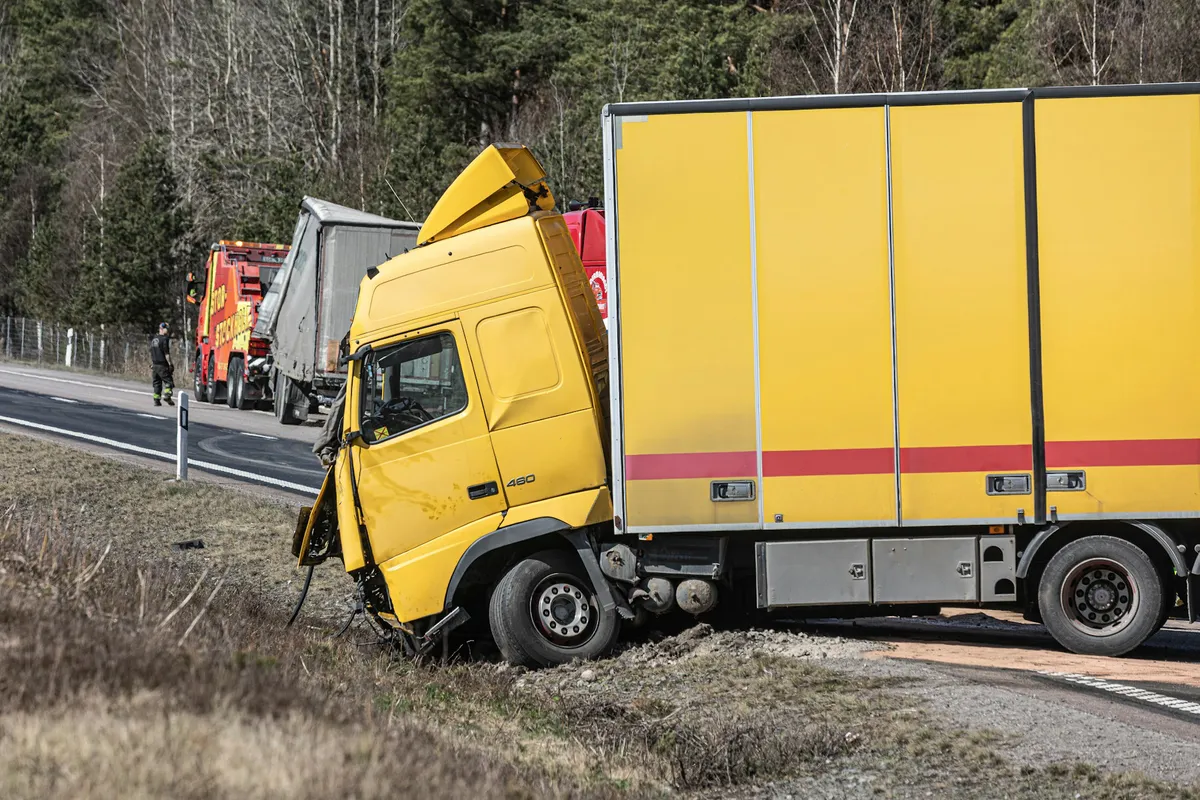
In an effort to combat the growing epidemic of staged truck crash fraud, federal legislation has been introduced that seeks to criminalize these deceptive practices. The Staged Accident Fraud Prevention Act (S. 5058), spearheaded by Senator Ashley Moody of Florida, aims to address the alarming trend of organized schemes that exploit the insurance system. With the backing of the American Property Casualty Insurance Association (APCIA) and other industry stakeholders, this bill represents a significant step forward in safeguarding both consumers and the insurance market.
Staged truck crashes, often orchestrated by criminal networks, involve deliberately causing collisions to generate fraudulent insurance claims. The financial implications of such fraudulent activities have become staggering, leading to a ripple effect that increases insurance premiums for responsible drivers. The legislation not only targets those who physically stage the crashes but also those who organize these schemes, marking a critical shift in how such offenses are prosecuted.
Understanding Staged Crash Fraud
Staged crash fraud is a complex issue that has plagued the insurance industry for years. These schemes, often referred to as "crash-for-cash" operations, involve individuals or groups intentionally causing accidents to file false insurance claims. The perpetrators may recruit unwitting drivers or work in collusion with other fraudsters to manipulate the accident scene.
The Mechanics of Staged Crashes
Typically, a fraudster will intentionally collide with a commercial truck, sometimes using tactics such as sudden braking or unsafe lane changes. Following the collision, they may exaggerate injuries or damage to the vehicle to maximize their payout from insurance companies. The organized nature of these schemes complicates enforcement, as they often involve multiple participants and can span across state lines.
- Collisions intentionally caused by fraudsters
- Exaggerated or fabricated injuries and damages
- Involvement of organized crime groups, increasing complexity
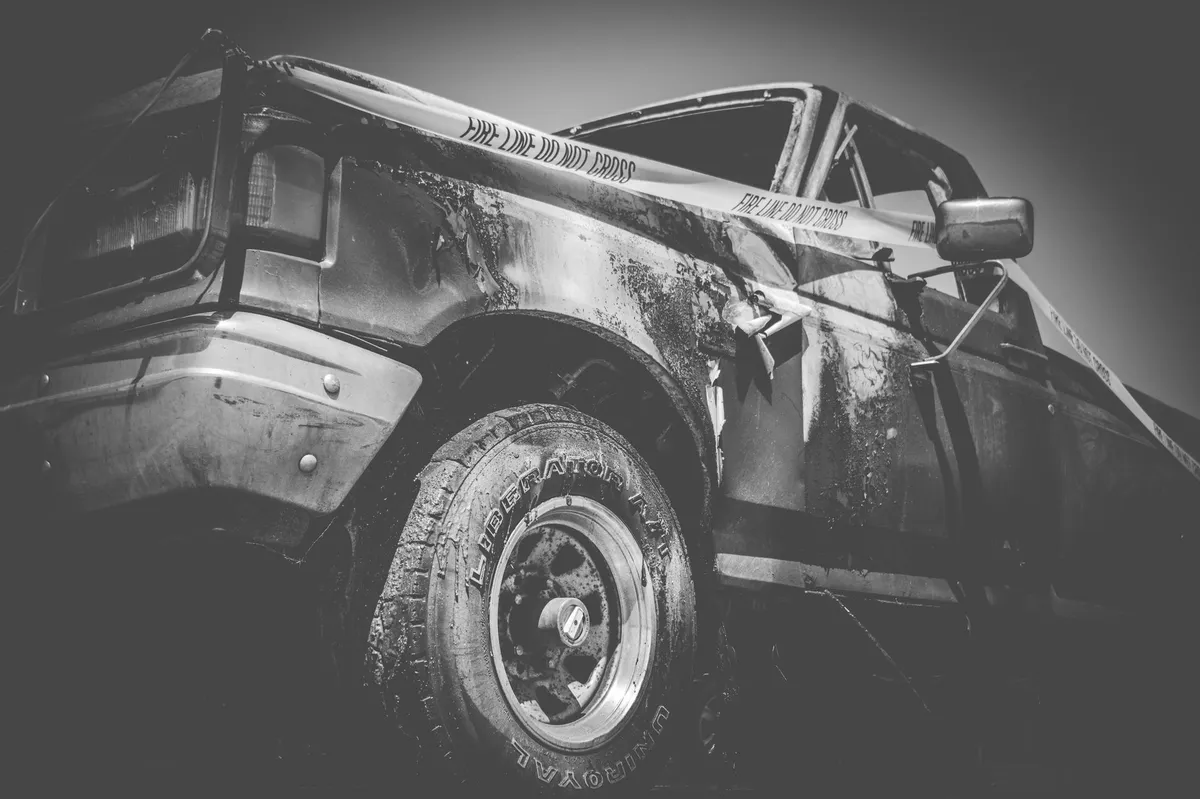
The Legislative Response
Introduced on July 21, 2026, the Staged Accident Fraud Prevention Act seeks to provide a robust legal framework to address this issue. With penalties that include fines and potential prison sentences of up to 20 years, the bill aims to deter individuals and organized groups from engaging in these fraudulent activities. Notably, if serious bodily injury or death results from the staged crash, the penalties can extend beyond 20 years.
Key Provisions of the Bill
The bill explicitly defines staged crashes as a federal crime, offering a clear statutory basis for prosecution. This contrasts with the previous reliance on charges like mail fraud and conspiracy, which often required extensive investigative efforts and proof of communication between parties. The new legislation simplifies the process for federal prosecutors, allowing them to target both the drivers staging the crashes and those organizing them.
The Impact on Insurance Costs
The financial repercussions of staged truck crash fraud extend far beyond individual victims. The APCIA has indicated that such fraud significantly contributes to rising insurance premiums across the board. In 2025, commercial auto premiums rose by 9.4%, a trend attributed to various factors, including social inflation and costly litigation outcomes known as nuclear verdicts.
Rising Costs and Nuclear Verdicts
A nuclear verdict refers to a jury award that is significantly higher than what is typically expected in similar cases. In the trucking industry, the median nuclear verdict reached an alarming $51 million in 2024, a stark increase from $21 million just four years prior. These escalating costs are a direct consequence of fraudulent claims, which insurance companies ultimately pass on to policyholders in the form of higher premiums.
Broader Implications for Consumers and Safety
The consequences of staged crash fraud are felt by all drivers, not just those involved in fraudulent incidents. According to estimates from the Coalition Against Insurance Fraud, insurance fraud costs the industry over $80 billion annually, with roughly 25% of automobile liability claims exhibiting elements of fraud. As a result, responsible drivers face higher premiums and an increased risk of being involved in a staged crash.
Who is Affected?
Innocent motorists, truck drivers, and consumers at large are all impacted by the consequences of staged crash schemes. For instance, in Louisiana, a single fraud network was linked to over 200 suspected staged crashes, leading to payouts exceeding $50 million. Such schemes contribute to an estimated additional $600 per year in car insurance costs for every driver in the state.
Support and Advocacy for the Bill
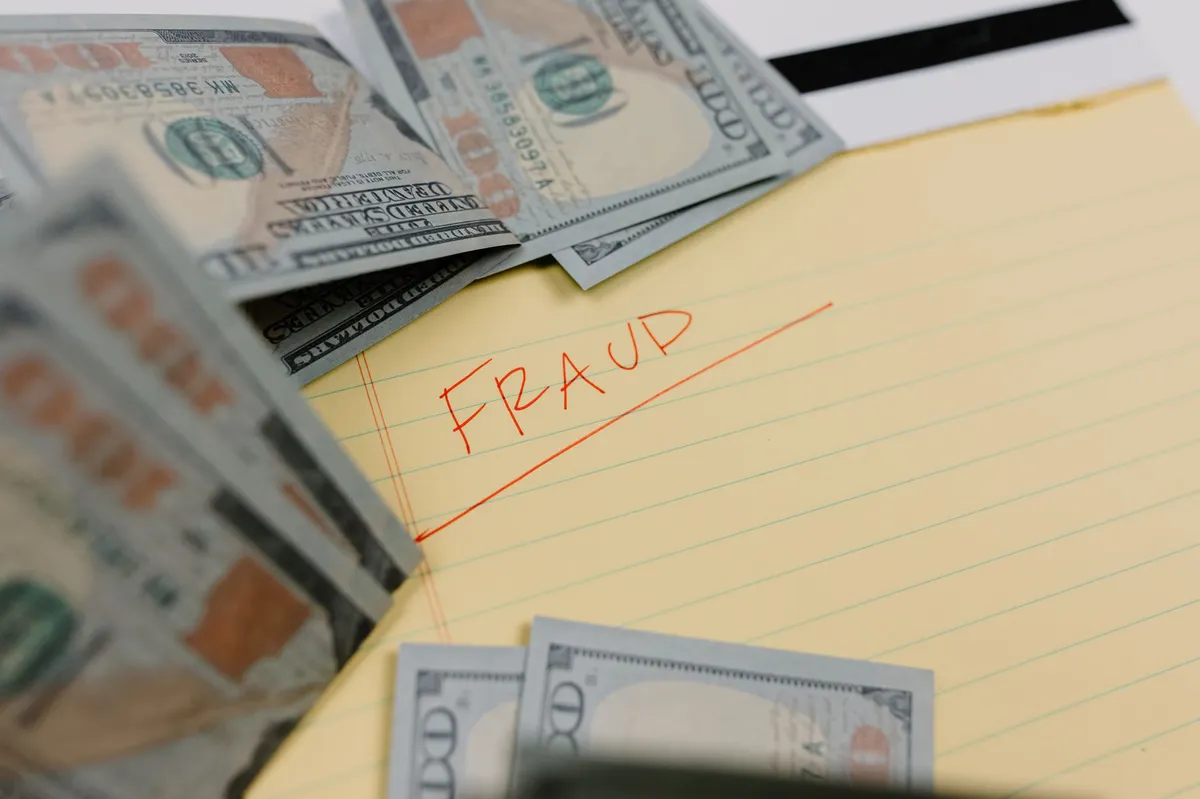
The Staged Accident Fraud Prevention Act has garnered support from a wide range of industry stakeholders, including the American Trucking Associations, the Owner-Operator Independent Drivers Association, and the US Chamber of Commerce's Institute for Legal Reform. These organizations recognize the urgent need for legislative action to combat organized fraud and enhance roadway safety.
Call to Action
Sam Whitfield, APCIA's senior vice president of federal government relations, emphasized the importance of this bill in deterring organized fraud. “Strong enforcement tools are essential to deter organized fraud, improve roadway safety, and protect families from bearing the costs of criminal activity,” he stated. The APCIA urges Congress to prioritize the advancement of this critical legislation.
Key Takeaways
- The Staged Accident Fraud Prevention Act aims to criminalize staged crashes involving commercial trucks.
- Penalties for offenders can include fines and prison sentences of up to 20 years.
- Insurance fraud costs the industry over $80 billion annually, driving up costs for consumers.
- The legislation has received widespread support from key industry stakeholders.
- Addressing staged crash schemes is crucial for ensuring road safety and reducing insurance premiums.
Frequently Asked Questions
What are staged truck crashes?
Staged truck crashes are orchestrated accidents where individuals intentionally cause a collision, often with commercial vehicles, to file fraudulent insurance claims. These scams can involve elaborate setups and are often executed by organized crime groups, leading to significant financial losses for the insurance industry and increased premiums for honest drivers.
How does the new legislation aim to combat this fraud?
The Staged Accident Fraud Prevention Act establishes a federal crime for staging crashes, providing law enforcement with a direct means to prosecute offenders. By imposing severe penalties for those who organize and participate in these schemes, the legislation aims to deter future fraud and protect consumers from the rising costs associated with insurance fraud.
What impact does insurance fraud have on premiums?
Insurance fraud, including staged crashes, contributes to rising premiums across the board. It is estimated that insurance fraud costs the industry over $80 billion annually, which translates to higher costs for policyholders. Innocent drivers often bear the brunt of these inflated premiums, leading to increased financial burdens for responsible motorists.
Who supports the Staged Accident Fraud Prevention Act?
The bill has received backing from a variety of organizations, including the American Property Casualty Insurance Association, the American Trucking Associations, and the US Chamber of Commerce's Institute for Legal Reform. These groups recognize the pressing need for legislative action to address organized fraud and its impact on roadway safety and insurance costs.
Comments
Chobani's Legal Battle with Danone: Unpacking the Cold Brew Coffee Dispute
Chobani faces legal challenges from Danone over allegations of trademark infringement in the cold brew coffee market. This article explores the implications of this lawsuit and its impact on the competitive landscape.
Related articles





Popular in Business Insurance
- Surging War-Risk Insurance Rates in the Strait of Hormuz: What It Means for Shipping
- Ross & Yerger Insurance Faces Class Action Over Data Breach Allegations
- Sompo Expands U.S. Workers' Compensation Portfolio with Service Insurance Acquisition
- Legal Battle Unfolds Over $1 Million Truck Crash Insurance Payout
- Howden Group's Ambitious Journey Toward IPO and Expansion