Navigating the Risks: The Current State of Shipping Insurance in the Red Sea and Gulf
With demand for war-risk cover declining in key shipping corridors, experts warn of a 'broken feedback loop' affecting the maritime insurance market. This article explores the implications for shipowners and insurers alike amid rising tensions in the region.

The maritime shipping industry is facing unprecedented challenges as tensions escalate in the Middle East, particularly in key maritime corridors such as the Red Sea and the Arabian Gulf. Recent statements from Marcus Baker, Marsh's global head of marine, cargo, and logistics, have highlighted a significant drop in demand for war-risk insurance coverage in these regions. As geopolitical tensions rise and incidents involving Saudi-linked vessels increase, the implications for shipping operations and the insurance market are profound. This article delves into the current landscape of maritime insurance in the face of escalating risks.
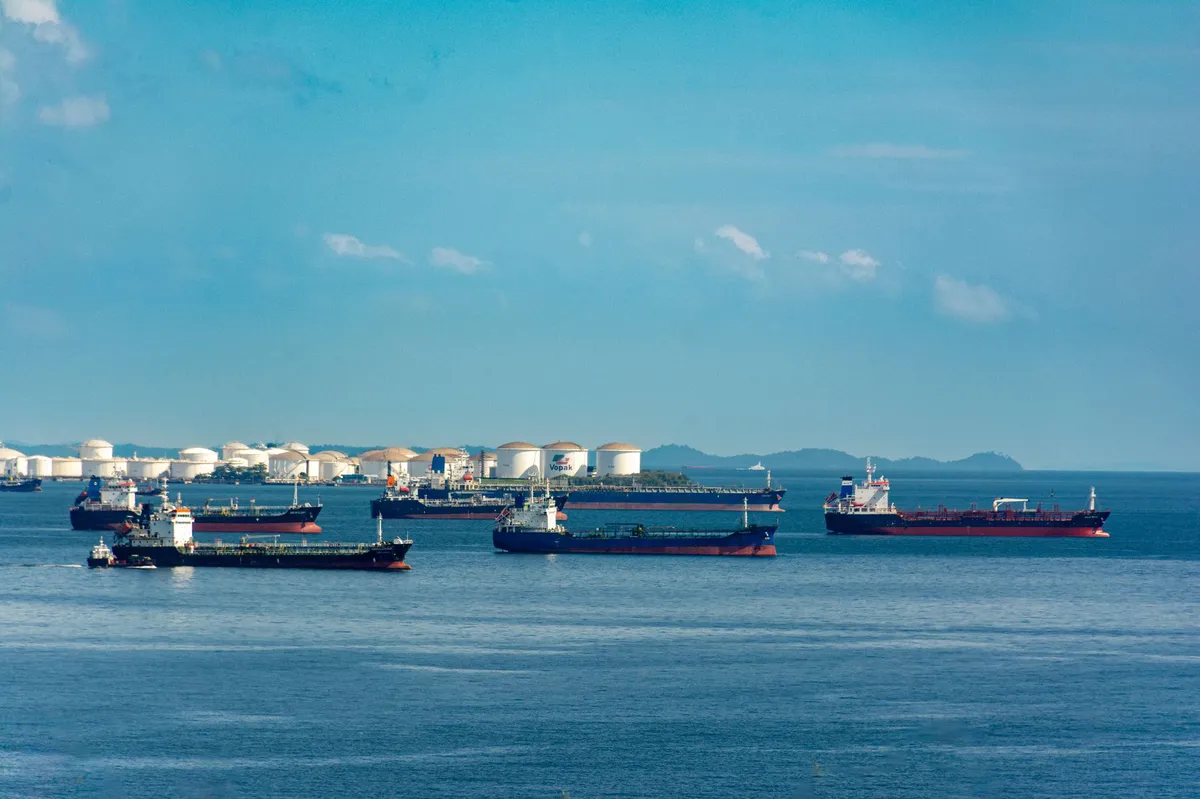
The situation has become increasingly complex. Baker pointed out that the number of ships traversing the Red Sea and Arabian Gulf has plummeted, with reports indicating that on certain days, no vessels were making the journey. This stark decline has created what Baker describes as a "broken feedback loop," where diminished shipping activity leads to higher insurance premiums, which in turn discourages shipowners from taking the risk of navigating these perilous waters. The cascading effects of this feedback loop raise critical questions about the future of maritime trade in the region.
Understanding the Broken Feedback Loop
To comprehend the dynamics at play, it’s essential to delve deeper into how the maritime insurance market operates and the challenges specific to war-risk coverage. War-risk insurance is a specialized form of coverage that protects shipowners against losses incurred due to acts of war, terrorism, or piracy. These policies are particularly pertinent in volatile regions where geopolitical tensions can escalate quickly.
The feedback loop described by Baker operates as follows:
- Decreased Shipping Activity: With heightened risks, fewer vessels are willing to traverse the Red Sea and Gulf, leading to a noticeable drop in maritime traffic.
- Increased Insurance Premiums: The dwindling number of vessels creates uncertainty among underwriters, resulting in inflated premiums that may not reflect the actual risk.
- Further Withdrawal from the Market: As premiums soar, shipowners may opt to avoid the route altogether, perpetuating the cycle.
This cycle has profound implications for global trade, as it limits access to critical shipping lanes and can lead to increased costs for goods transported through these channels. The ripple effects are felt not only by shipowners but also by consumers and businesses reliant on timely deliveries.

The Impact of Recent Attacks on Maritime Operations
Recent incidents involving Saudi-linked vessels have exacerbated the situation. The attacks on two Saudi tankers—Encelia and Layla—by Houthi forces during a declared naval blockade signify a worrying trend in maritime security. While Gallagher, a prominent Lloyd's of London broker, provided coverage for one of the affected vessels, the broader market sentiment remains cautious. Gallagher's representatives have stated that the decision to navigate the region ultimately rests with the vessel's captain and associated parties, emphasizing the need for shipowners to weigh the risks carefully.
These incidents have not only raised alarms among insurers but have also prompted calls for revised strategies in maritime operations. The Houthi attacks illustrate a new front in the ongoing conflict, as Saudi Arabia now faces threats on both its Hormuz and Red Sea export routes. The implications for global oil markets are significant, with analysts noting that the Suez Canal may become one of the few remaining safe corridors for oil shipments.
Market Response and Future Outlook
The maritime insurance market is in a state of flux, with underwriters expressing unease over the current geopolitical climate. Baker noted that while some coverage is still available, the market backing it is thinning, leading to uncertainty for shipowners considering voyages through the region. Insurers are grappling with how to price risk appropriately, particularly when the frequency and severity of incidents are difficult to predict.
Insurance rates for war-risk coverage have experienced wild fluctuations, particularly in the Strait of Hormuz, where premiums have ranged from 0.25% to as high as 10% of the vessel's hull value since February. Similar volatility has been observed in the Red Sea, with coverage for Israeli port calls seeing some of the steepest increases. This unpredictability complicates financial planning for shipping companies, who must navigate not only the operational risks but also the financial implications of insurance costs.
Industry Perspectives on Rate Normalization
As the industry contemplates the future, questions loom regarding when rates might stabilize. Baker refrained from committing to a specific timeline, suggesting that underwriters will need to see sustained periods without incidents before they adjust their pricing models. The uncertainty in the market reflects the broader challenges faced by insurers in assessing risk in a region characterized by volatility.
James Reason, a broker at WTW, echoed Baker's sentiments, indicating that while the trajectory for rates may be improving, it is conditional on ongoing stability in the region. The longer the period without significant incidents, the more room there is for pricing adjustments. However, the situation remains fluid, and sharp corrections may not be on the immediate horizon.

Key Takeaways
- Declining Demand: Demand for war-risk cover in the Red Sea and Gulf has sharply decreased, creating a challenging environment for shipowners.
- Feedback Loop: The broken feedback loop between shipping activity and insurance pricing is leading to increased premiums and further reductions in vessel traffic.
- Recent Attacks: Attacks on Saudi-linked vessels signify a new level of risk for maritime operations and have prompted insurers to reassess coverage strategies.
- Market Volatility: Insurance premiums for war-risk coverage have exhibited significant volatility, complicating financial planning for shipping companies.
- Future Uncertainty: The normalization of insurance rates is contingent on sustained stability in the region, which remains unpredictable.
Frequently Asked Questions
What is war-risk insurance?
War-risk insurance is a specialized form of coverage that protects shipowners against losses incurred due to acts of war, terrorism, or piracy. Given the unpredictable nature of geopolitical tensions, particularly in regions like the Red Sea and Arabian Gulf, this type of insurance is crucial for maritime operations in high-risk zones.
How do recent attacks influence shipping costs?
Recent attacks on vessels, particularly those linked to Saudi Arabia, have resulted in heightened insurance premiums due to increased perceived risks. Insurers adjust their pricing based on the frequency and severity of incidents, leading to inflated costs that impact the overall operational expenses for shipping companies.
What should shipowners consider when navigating these waters?
Shipowners must carefully evaluate the risks associated with traversing the Red Sea and Gulf, particularly in light of recent hostilities. Decisions should involve thorough risk assessments, consultations with insurance brokers, and an understanding of potential financial implications related to insurance costs and operational delays.
Is insurance still available for vessels in the Red Sea?
While coverage for vessels operating in the Red Sea is still technically available, the market backing it has diminished, leading to higher premiums. Insurers are advising caution, and shipowners should weigh their options carefully before committing to voyages in this volatile region.
Comments
Chobani's Legal Battle with Danone: Unpacking the Cold Brew Coffee Dispute
Chobani faces legal challenges from Danone over allegations of trademark infringement in the cold brew coffee market. This article explores the implications of this lawsuit and its impact on the competitive landscape.

Related articles







Popular in Business Insurance
- Surging War-Risk Insurance Rates in the Strait of Hormuz: What It Means for Shipping
- Ross & Yerger Insurance Faces Class Action Over Data Breach Allegations
- Sompo Expands U.S. Workers' Compensation Portfolio with Service Insurance Acquisition
- Legal Battle Unfolds Over $1 Million Truck Crash Insurance Payout
- Howden Group's Ambitious Journey Toward IPO and Expansion