Navigating the South Carolina Liquor Liability Crisis: A Captive Insurance Solution
South Carolina's bars and restaurants are grappling with high liquor liability insurance costs. A new captive insurance model aims to offer a more affordable solution through rigorous vetting.
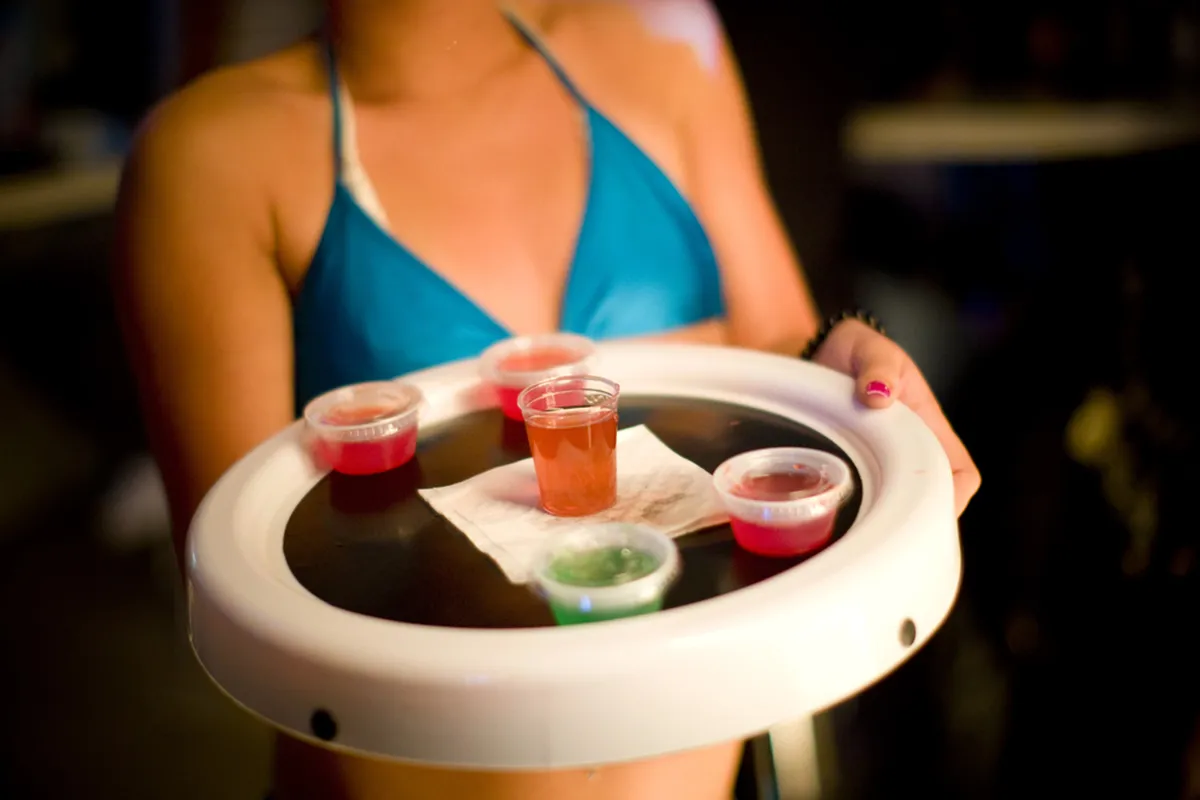
For nearly eight years, South Carolina’s vibrant nightlife has been increasingly overshadowed by a looming crisis in liquor liability insurance. Following the enactment of a state law in 2018, bars, restaurants, and music venues have been faced with the daunting requirement of securing at least $1 million in liquor liability coverage. This mandate has led many beloved establishments to close their doors permanently, unable to sustain the skyrocketing premiums that often exceed their operating budgets. However, a new initiative spearheaded by industry insiders may provide a glimmer of hope in this dire landscape.
Christopher Smith, the executive director of the South Carolina Bar & Tavern Association, alongside Andrew Reina, a Charleston-based wealth manager and founder of Ragnar Hospitality Insurance, is advocating for an innovative solution: a captive insurance company. This model not only aims to deliver coverage at a fraction of traditional rates—between one-third and one-half of existing premiums—but also incorporates a comprehensive vetting process to ensure that establishments adhere to responsible alcohol-serving practices.
The Background of South Carolina's Liquor Liability Crisis
The challenge facing South Carolina’s hospitality industry is not just a matter of financial burden; it reflects a broader issue of risk management and liability in the alcohol-serving sector. The 2018 law mandating a minimum of $1 million in liquor liability coverage was implemented in response to growing concerns about alcohol-related incidents, particularly those leading to personal injury or property damage. Unfortunately, the unintended consequence has been the closure of numerous establishments unable to absorb the escalating costs of insurance premiums.
As bars and restaurants struggle to comply with these regulations, many owners have found themselves in a precarious position. With some venues quoting annual premiums upwards of $42,000 for basic coverage, the financial viability of operating a bar or restaurant in South Carolina has come into question. Moreover, the existing climate of joint and several liability means that establishments can be held accountable for damages even if they played a minor role in an incident, further complicating the risk landscape.

The Captive Insurance Model Explained
In response to this crisis, Reina’s Ragnar Hospitality Insurance has introduced a captive insurance model, a strategy that allows businesses to create their own insurance company. This approach enables them to pool resources and manage risk collectively. Authorized by legislation passed in 2025, the captive insurance model offers a promising alternative to traditional insurance, which often relies on broad statistical data and a one-size-fits-all approach to underwriting.
One of the key differentiators of the captive model is its emphasis on thorough vetting of potential policyholders. Unlike conventional insurers that primarily assess overall alcohol sales, Ragnar conducts comprehensive evaluations of establishments. This includes surprise inspections and secret-shopper visits to gauge compliance with responsible alcohol service and operational standards. By focusing on factors like the ratio of alcohol sold per patron and the establishment's record on underage drinking, the captive aims to provide a more accurate assessment of risk.
Hands-On Vetting: A New Approach
With a commitment to diligence, Reina and his team have identified that approximately one-third of bar owners may misrepresent their business practices on insurance applications. This is a crucial finding, as it underscores the need for an in-depth examination of each establishment. For instance, in one case, an applicant claimed to have armed security, which raised red flags, as most insurers would decline coverage for venues that mix firearms with alcohol sales.
Additionally, the vetting process includes direct communication with neighboring bar owners and managers, providing valuable insights into the applicant's reputation and operational habits. Interestingly, even the condition of a bar’s restroom can serve as an indicator of the owner’s overall management style. As Reina puts it, “If they’re not paying attention to that, they’re probably not paying attention to other things,” highlighting the holistic nature of the vetting process.

Early Successes and Challenges Ahead
So far, Ragnar Hospitality Insurance has signed up 39 establishments, many of which have reported significantly lower premiums under this new model. For example, one bar that previously faced an annual premium of $42,000 for $1.5 million in sales was able to secure coverage for just $23,000 through Ragnar. This not only alleviates financial pressure on bar owners but also encourages them to prioritize responsible serving practices.
However, skepticism remains within the insurance community. Some independent agents express concerns about the sustainability of the intensive vetting process. Becky McCormack, president of the Big I of South Carolina, has voiced doubts about whether this hands-on approach can scale effectively across the state, given the labor-intensive nature of the inspections and evaluations involved.
The Need for Legislative Reform
While the captive insurance model shows promise, experts argue that it is not a panacea for the liquor liability crisis. Many contend that comprehensive tort reform is essential to attract more insurers to the South Carolina market. Current statutes that allow for joint and several liability contribute to an environment where liability exposure is disproportionately high, making it challenging for businesses to secure affordable coverage. Advocates for reform point to neighboring states like Georgia and Florida, which have enacted measures to limit excessive verdicts and liability exposure for businesses.
Reina believes that, with time, the captive model can expand beyond South Carolina, potentially benefiting other high-risk industries that face similar challenges, such as childcare and logging operations. He emphasizes that while actuarial data drives much of the insurance industry, relying solely on historical performance can be misleading. “Insurance is driven by actuarial tables, but assuming that future risk is always indicated by past performance is wrong,” Reina asserts.

Key Takeaways
- Liquor Liability Crisis: South Carolina bars face high premiums due to a 2018 law mandating $1 million coverage.
- Captive Insurance Model: Ragnar Hospitality Insurance offers a new approach with rigorous vetting to provide lower premiums.
- Vetting Process: Hands-on evaluations include inspections and discussions with neighboring businesses to assess risk accurately.
- Skepticism Remains: Industry experts question the sustainability and scalability of the captive model.
- Legislative Reform Needed: Comprehensive tort reform may be essential to create a healthier insurance market for bars and restaurants.
Frequently Asked Questions
What is captive insurance, and how does it work?
Captive insurance is a form of self-insurance where a business creates its own insurance company to cover its risks. This model allows businesses to pool resources and manage their own risk, offering potential cost savings and tailored coverage. In the case of Ragnar Hospitality Insurance, the captive model allows bars and restaurants to obtain liquor liability coverage at significantly lower premiums than traditional insurers, while also incorporating a thorough vetting process to ensure responsible alcohol service.
How does the vetting process work for prospective policyholders?
The vetting process for prospective policyholders at Ragnar Hospitality Insurance includes a combination of surprise inspections, secret-shopper visits, and discussions with neighboring bar owners. This comprehensive approach aims to verify the establishment's claims about their alcohol service practices and ensure compliance with responsible serving standards. By focusing on detailed operational aspects, the captive can more accurately assess the risk associated with each bar or restaurant.
What are the key challenges facing the South Carolina liquor industry?
The South Carolina liquor industry faces several challenges, primarily stemming from the high costs of liquor liability insurance mandated by state law. Many establishments struggle to afford premiums that can exceed their operating budgets, leading to closures across the state. Additionally, the existing joint and several liability statutes create a risk environment that makes it difficult for businesses to secure affordable coverage, necessitating comprehensive tort reform to promote a healthier insurance market.
Can the captive insurance model be applied to other industries?
Yes, the captive insurance model has the potential to be adapted for other high-risk industries facing similar challenges with insurance coverage. Industries such as childcare and logging operations, which often encounter high premiums and limited coverage options, could benefit from a tailored captive insurance approach that emphasizes risk management and thorough vetting processes. This model could help businesses in those sectors obtain more affordable coverage while ensuring responsible practices.
Comments
Navigating the Future: AI Coverage and Digital Infrastructure Insurance
CFC Insurance is leading the charge with affirmative AI coverage for media companies, while Lockton unveils a practice dedicated to digital infrastructure. Here's what it means for businesses.

Related articles





Popular in Business Insurance
- Surging War-Risk Insurance Rates in the Strait of Hormuz: What It Means for Shipping
- Ross & Yerger Insurance Faces Class Action Over Data Breach Allegations
- Sompo Expands U.S. Workers' Compensation Portfolio with Service Insurance Acquisition
- Legal Battle Unfolds Over $1 Million Truck Crash Insurance Payout
- Howden Group's Ambitious Journey Toward IPO and Expansion