Super El Niño: A Game Changer for Global Catastrophe Risk
The emergence of a Super El Niño is set to significantly alter the landscape of global catastrophe risk. This phenomenon will likely dampen Atlantic hurricane activity while heightening the risk of Pacific cyclones, droughts, and wildfires across various regions. Understanding these shifting risk profiles is essential for consumers and businesses alike.

The weather phenomenon known as El Niño is not just a periodic blip in the climate radar; it has profound implications for global catastrophe risk, particularly for insurers and policyholders. As the National Oceanic and Atmospheric Administration (NOAA) predicts a transition into a Super El Niño that will persist into early 2027, the ramifications for the insurance industry and consumers are significant. This unusually strong El Niño is expected to reshape risk profiles, impacting everything from Atlantic hurricanes to wildfires in the American West. As we delve deeper into this phenomenon, it’s crucial to understand its mechanics and implications for various regions and sectors.
What is a Super El Niño?
El Niño is characterized by the warming of sea surface temperatures in the central and eastern tropical Pacific Ocean. A standard El Niño occurs when these temperatures rise at least 0.5 degrees Celsius above average, but a Super El Niño takes this to another level, requiring a minimum 2 degrees Celsius rise. NOAA recently reported a 97% chance that this current event will strengthen through 2026, with an 81% probability of becoming 'very strong' by the end of the year. This could make it one of the largest El Niños on record since 1950.

Impact on Weather Patterns
The implications of a Super El Niño extend beyond warmer waters. Meteorologist Mark Bove from Munich Re America highlights that stronger El Niños often lead to more fixed and amplified weather patterns. For instance, while El Niño typically suppresses hurricane formation in the Atlantic due to unfavorable upper-level winds, it can enhance hurricane activity in the Pacific, particularly impacting Mexico and Hawaii. These shifts in weather patterns necessitate a reevaluation of risk in various regions.
Shifts in Atlantic Hurricane Activity
Typically, El Niño years see a decrease in Atlantic hurricane activity. NOAA's July 2026 outlook predicts a below-average hurricane season, estimating 8 to 14 named storms, 3 to 6 hurricanes, and 1 to 3 major hurricanes. Colorado State University even forecasts just 9 storms, 4 hurricanes, and 1 major hurricane. While these numbers indicate a lower risk, history warns of the potential for high-impact events even during El Niño years. Hurricane Andrew, for example, struck Florida in 1992 during an El Niño year, resulting in insured losses of $27.3 billion in 2017 dollars.
Pacific and Asian Risks
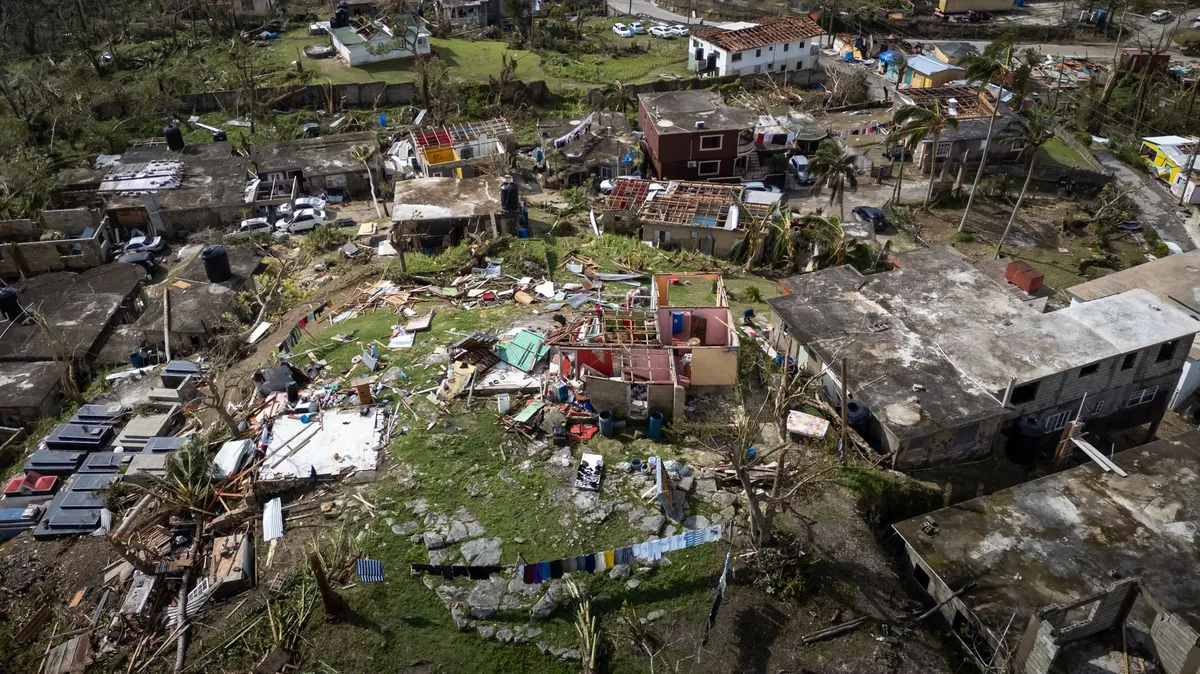
Conversely, the Pacific regions can expect heightened hurricane risk. Areas like Mexico and Hawaii may face increased cyclone activity, while parts of mainland China, Korea, and Japan could see elevated typhoon exposure. As insurers adjust their portfolios to account for these shifts, consumers in these regions should prepare for the heightened risks associated with severe weather.
Wildfire and Drought Implications
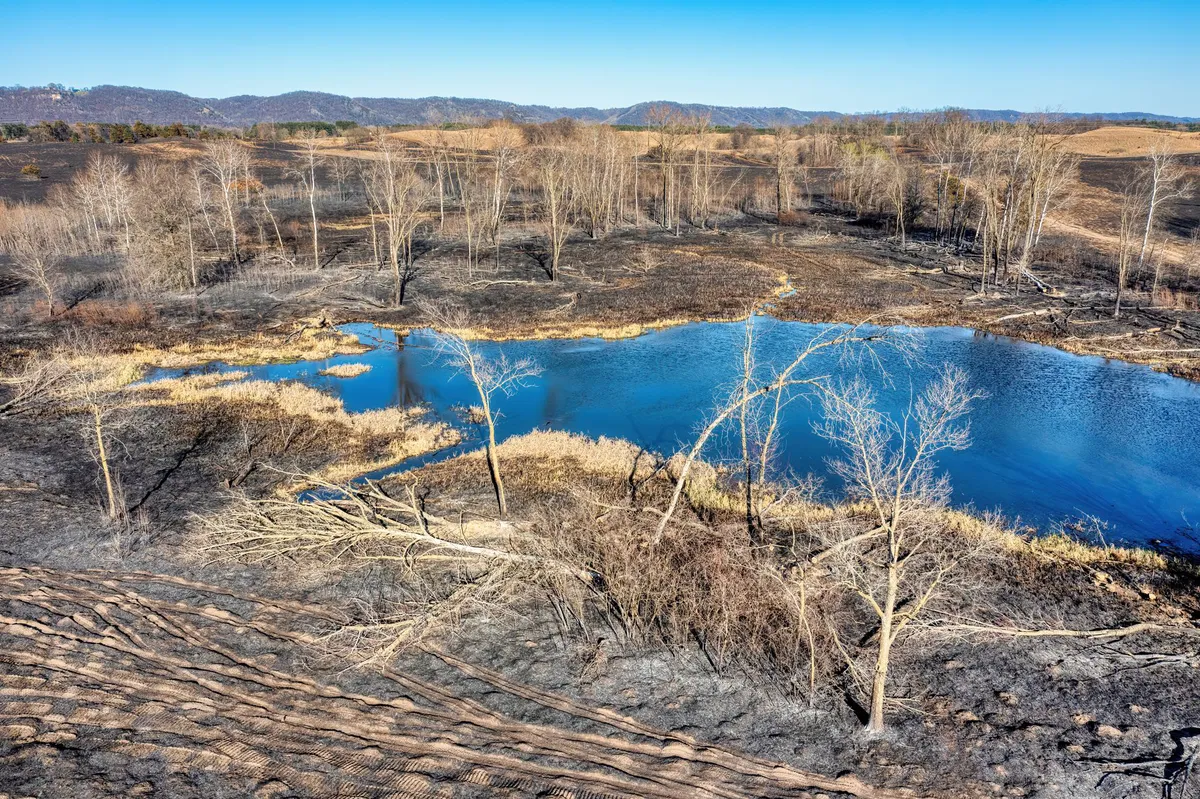
In addition to cyclones, the Super El Niño is expected to increase wildfire and drought risks in places like Australia, Indonesia, and parts of Brazil. In North America, Bove anticipates further wildfire activity in the American West. However, the situation is nuanced. While wetter conditions during an El Niño winter might temporarily reduce wildfire risks, they can also lead to increased vegetation growth, which later turns into fuel for wildfires once the rains cease.
California's Complex Scenario
California presents a particularly complex scenario. The state may experience a wetter winter, which could diminish immediate wildfire risks but also lead to the growth of dry fuel. Moreover, heavy rainfall can pose a risk for mudslides, especially in areas recently affected by wildfires, such as those from the Eaton and Palisades fires. The record-breaking wildfire season of 2025, which saw losses around $53 billion, underscores the potential for catastrophic events in a changing climate.
Long-Term Environmental Consequences
The implications of a record-warm year, driven in part by the Super El Niño, extend beyond immediate catastrophe risks. Long-term environmental repercussions include ongoing stress on coral reefs and disruptions to major fisheries along the South American coast, which are frequently affected during El Niño events. Bove notes that while El Niño shifts probabilities, it does not eliminate risks. Some areas may see benefits, but others will face increased probabilities of extreme weather events.

Key Takeaways
- Super El Niño is expected to persist through early 2027, significantly altering catastrophe risk.
- While Atlantic hurricane activity may decrease, risks in the Pacific will likely increase.
- Wildfire and drought risks could intensify in regions like California and Australia.
- Long-term impacts include stress on coral reefs and disruptions to fisheries.
- Insurance portfolios must adapt to these shifting risks, necessitating proactive measures from consumers.
Frequently Asked Questions
What is the significance of a Super El Niño for hurricane seasons?
A Super El Niño alters typical weather patterns, often leading to fewer hurricanes in the Atlantic and increased cyclone activity in the Pacific. This means that while regions like the Caribbean may experience reduced risk, areas along the Pacific coast, particularly Mexico and Hawaii, could face heightened threats from severe storms.
How can individuals and businesses prepare for the risks associated with Super El Niño?
Preparation involves understanding the specific risks posed to your region and taking appropriate actions. For homeowners in hurricane-prone areas, this might mean reinforcing structures or reviewing insurance coverage. Businesses should assess their supply chains and consider contingency plans for extreme weather events.
What are the long-term environmental impacts of Super El Niño?
Beyond immediate weather risks, Super El Niño can lead to significant long-term environmental stress, including damage to coral reefs and disruptions in marine ecosystems. These changes can affect fisheries and biodiversity, making it crucial to monitor environmental conditions closely.
How does El Niño affect insurance premiums?
El Niño's influence on catastrophe risk can lead to fluctuations in insurance premiums. Regions that face increased risks may see higher premiums, while those with decreased risk could experience stable or lower rates. Insurers often adjust their models based on these changing patterns, which can affect policyholders' costs.
Comments
Hippo Holdings Reports Strong Growth and Profitability in 2026
Hippo Holdings has announced its fifth consecutive profitable quarter, showcasing impressive growth in gross written premiums and a strategic shift towards a diversified insurance platform. The company’s financial performance indicates a significant turnaround from previous years, positioning it uniquely in the insurtech landscape.

Related articles





Popular in Business Insurance
- Surging War-Risk Insurance Rates in the Strait of Hormuz: What It Means for Shipping
- Ross & Yerger Insurance Faces Class Action Over Data Breach Allegations
- Sompo Expands U.S. Workers' Compensation Portfolio with Service Insurance Acquisition
- Legal Battle Unfolds Over $1 Million Truck Crash Insurance Payout
- Howden Group's Ambitious Journey Toward IPO and Expansion