Hiscox Reports 10.1% Growth Amid Strategic Non-Renewals in 2026
Hiscox Ltd showcases a robust 10.1% growth in insurance premiums for the first half of 2026, while strategically non-renewing portions of its power and renewables business to manage risk amidst changing market conditions.
In an insightful reflection of a dynamic insurance market, Hiscox Ltd reported a remarkable 10.1% increase in its insurance contract written premium (ICWP) for the first half of 2026, totaling approximately $3.24 billion. This growth is underpinned by a concerted effort to enhance profitability across all business segments while simultaneously managing risk exposure, particularly in sectors experiencing rate softening. The insurer's strategic decision to non-renew a significant 23% of its power and renewables book highlights a proactive approach to navigating a rapidly evolving market landscape.
As the insurance industry continues to grapple with fluctuating rates, interest rates, and geopolitical tensions, Hiscox's performance serves as a bellwether for both market trends and the effectiveness of strategic underwriting practices. Group chief executive Aki Hussain emphasized this point, stating, "We are delivering on our commitments, achieving our targets and realizing our strategic ambitions," as he outlined the company's strategic navigation in response to these market dynamics.
Strong Financial Metrics Amid Market Challenges
Hiscox's impressive growth figures are complemented by an improvement in its undiscounted combined ratio, which decreased to 90.4% from 92.6% in the previous year. This ratio is a key indicator of an insurance company's profitability, measuring the ratio of claims and expenses to premiums earned. The adjusted operating return on tangible equity (ROTE) rose substantially to 20.2%, surpassing the group's target of mid-teens growth.
Profit Before Tax and Investment Results
Despite the encouraging growth in premiums, Hiscox reported a decline in profit before tax to $240.5 million, down from $276.6 million in H1 2025. This decrease was largely attributed to a significant drop in investment results, which fell to $128.2 million compared to $234.9 million in the corresponding period of the previous year. The decline was driven by $76 million in unrealized fair value losses on fixed-income securities, a consequence of rising interest rates. However, these losses are expected to stabilize as bonds reach maturity, suggesting a potentially favorable outlook for future investment performance.
Market Dynamics and Strategic Non-Renewals
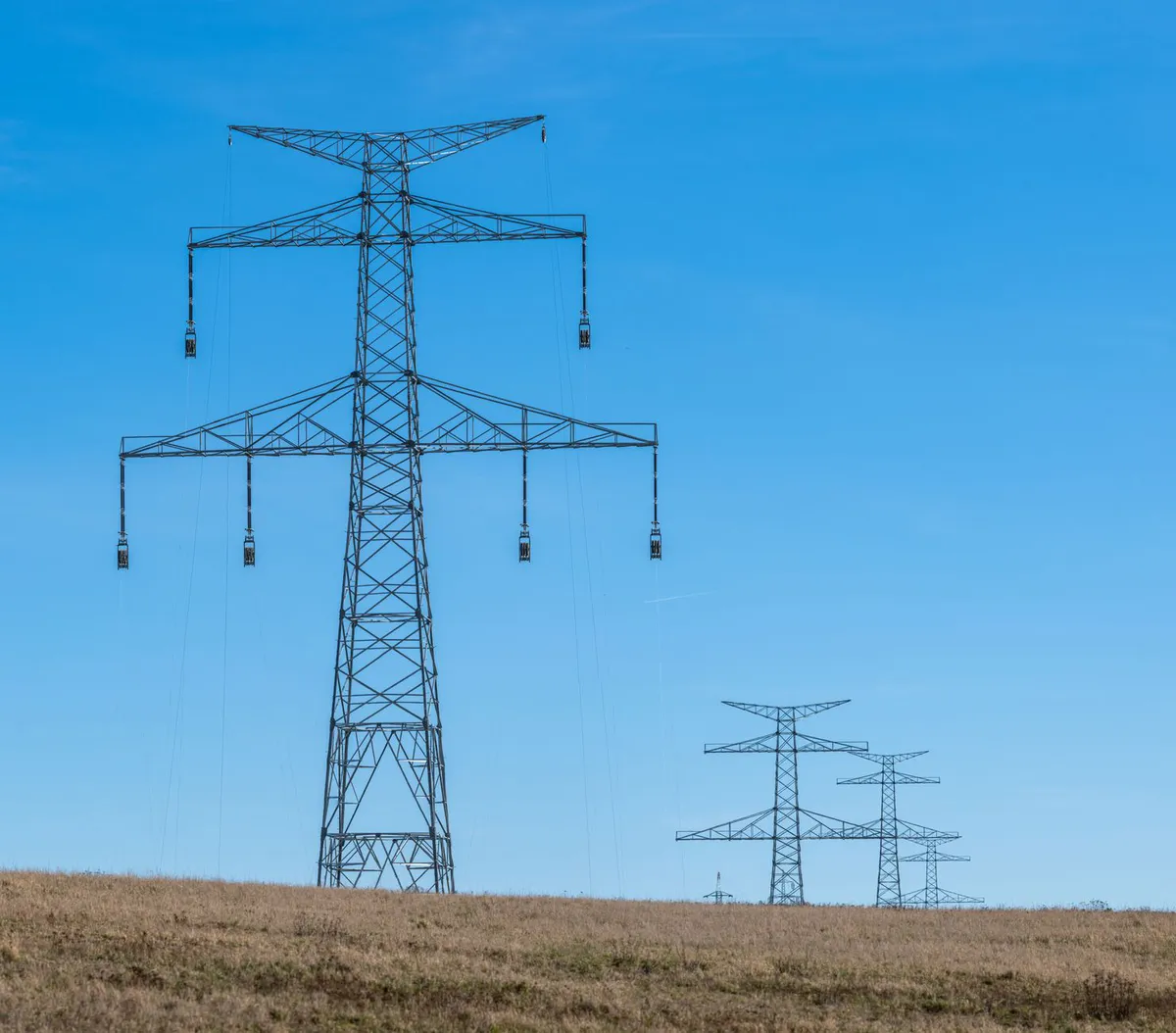
One of the most significant developments in Hiscox’s performance is its selective non-renewal strategy, particularly in the London Market, where rates have softened considerably. The aggregate rates dropped by 5% in H1 2026, with major property seeing a steeper decline of 14% in written business. In light of this, Hiscox non-renewed 17% of risks in major property and a staggering 23% of its power and renewables business. This approach reflects a broader tightening in the London market, where Lloyd’s of London has indicated that property rate softening is occurring at a concerning pace.
Impact on Brokers and the Market
For brokers engaged in placing major property and energy risks, Hiscox's reduced appetite for risk signifies a broader market trend. The move indicates a shift in underwriting practices and a recognition of the necessity to maintain profitability amidst declining rates. As insurers reassess their risk exposure, brokers may need to adapt by finding alternative markets or product lines that align with evolving risk appetites.
Segment Performance and Growth Initiatives
Hiscox's performance across its various business segments showcases a well-rounded strategy. The Hiscox London Market experienced a 9.8% increase in ICWP, reaching $733.2 million. However, underlying growth was modest at 5.3% when adjusting for prior-year premium adjustments. The combined ratio for this segment deteriorated to 93.8% from 87.9%, largely due to a prudent reserve of $40 million related to geopolitical tensions in the Middle East.
Retail and International Growth
The Hiscox Retail segment enjoyed an 8.2% growth in constant currency, achieving $1.56 billion in ICWP. The company has upgraded its growth guidance for the full year from 8% to 9% in constant currency, indicating confidence in the retail market's trajectory. The undiscounted combined ratio for the retail segment remained solid at 92.1%, falling within the target range.
Internationally, Hiscox Europe grew ICWP by 6.2% to $494.6 million, while Hiscox USA saw an increase of 8.1%, reaching $535.9 million. The company displayed innovation by extending its affirmative AI cover to media propositions and launching a new cyber product across European markets, highlighting a commitment to adapt to emerging risks.

Investment Management and Future Outlook
The Hiscox Re segment also showcased resilience, with ICWP growing by 6.4% to $944.5 million. However, net ICWP fell by 7.4% to $381.1 million due to a strategic reduction in net catastrophe exposures in a softening market. Notably, the group’s investments in insurance-linked securities (ILS) saw significant growth, with assets under management more than doubling to $2.9 billion from $1.5 billion since the beginning of the year.
Change Program and Dividend Declaration
Hiscox's ongoing change program delivered a $45 million profit and loss benefit in H1 2026 at a cost of $39 million, keeping it on track to achieve $75 million in 2026 and $200 million by 2028. In a show of confidence, the board declared an interim dividend of 16.8 cents per share, a 16.7% increase from H1 2025, payable on September 21 to shareholders of record as of August 14.
Key Takeaways
- 10.1% growth in insurance premiums demonstrates strong performance.
- Non-renewal of 23% of power and renewables book reflects strategic risk management.
- Investment results impacted by unrealized losses but expected to stabilize.
- Hiscox's retail segment shows upgraded growth guidance and solid performance.
- Ongoing change program expected to deliver significant financial benefits.
Frequently Asked Questions
What does a combined ratio indicate in insurance?
The combined ratio is a critical measure of an insurance company's profitability. It is calculated by adding the loss ratio (claims paid out) to the expense ratio (operational costs). A ratio below 100% indicates that the company is making an underwriting profit, while a ratio above 100% suggests a loss. For example, Hiscox's combined ratio improved to 90.4%, which suggests that they are effectively managing their claims and expenses relative to the premiums they collect.
Why is Hiscox non-renewing parts of its business?
Hiscox's decision to non-renew portions of its power and renewables business, where they experienced double-digit rate decreases, is part of a broader strategy to manage risk and ensure that premiums align with the risk exposure. By reducing their appetite in sectors where rates are inadequate, Hiscox aims to maintain profitability and avoid potential losses, an approach reflecting a prudent response to market conditions.
What impact do rising interest rates have on insurers?
Rising interest rates can significantly impact insurers, particularly regarding their investment portfolios. As interest rates increase, the value of existing fixed-income securities typically declines, leading to unrealized losses on bonds held in portfolios. For Hiscox, this resulted in $76 million in unrealized losses for the first half of 2026. However, these losses are often temporary, as the value can recover as bonds mature or are held to maturity.
What is the significance of the interim dividend declaration?
The interim dividend declaration is a positive indicator of a company's financial health and shareholder value. Hiscox's board declared a 16.8 cents per share dividend, which represents a 16.7% increase compared to the previous year. This move signals confidence in the company's ongoing profitability and commitment to returning value to shareholders, indicating that despite market challenges, the company is on a solid financial footing.
Comments
Strengthening Cyber Defenses in the Age of AI Threats
As artificial intelligence evolves, U.S. officials warn of increasing cyber threats. A strategic shift towards proactive cybersecurity measures is essential for both public and private sectors.

Related articles



Popular in Business Insurance
- Surging War-Risk Insurance Rates in the Strait of Hormuz: What It Means for Shipping
- Ross & Yerger Insurance Faces Class Action Over Data Breach Allegations
- Sompo Expands U.S. Workers' Compensation Portfolio with Service Insurance Acquisition
- Legal Battle Unfolds Over $1 Million Truck Crash Insurance Payout
- Howden Group's Ambitious Journey Toward IPO and Expansion