Telecom Vulnerabilities: The Hidden Risks of Data Centers and Cybersecurity
A recent report reveals how U.S. telecom companies inadvertently exposed themselves to hacking threats through data center connections. This article delves into the implications, risks, and potential regulatory changes.
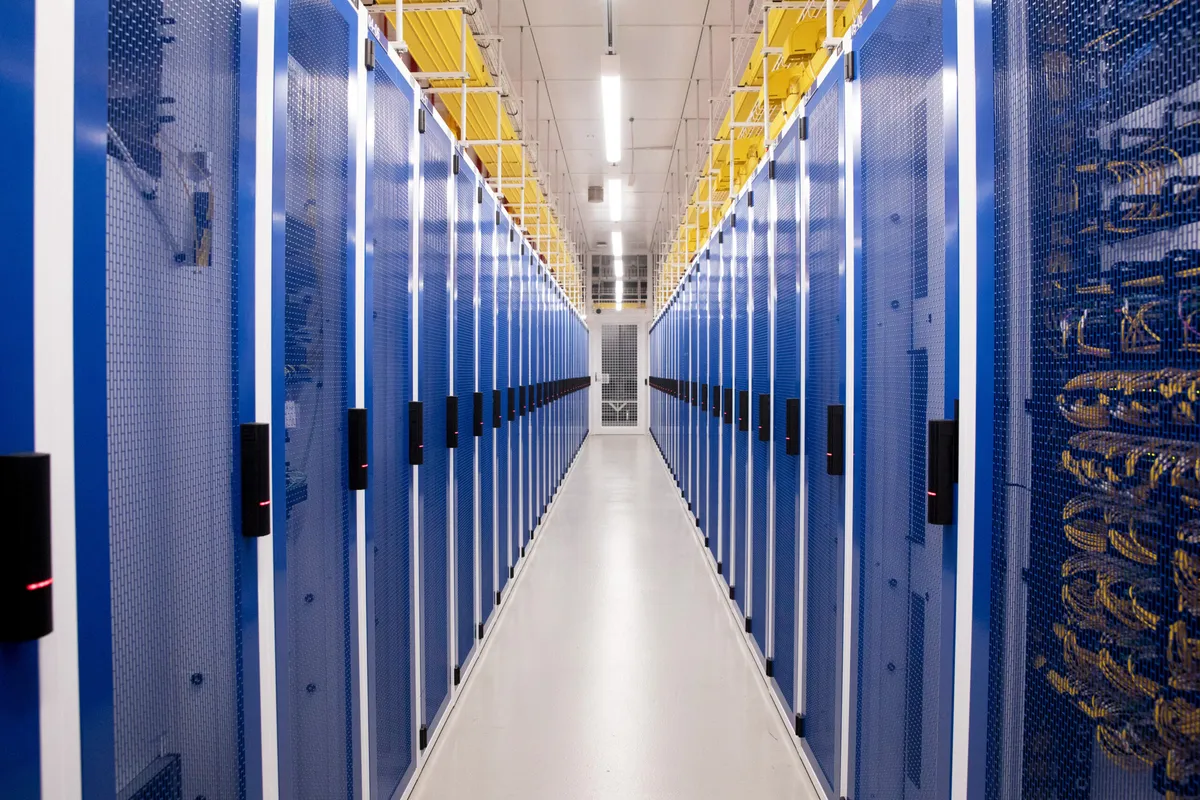
In an age where digital connectivity reigns supreme, the vulnerabilities lurking within the infrastructure of U.S. telecommunications have come to the forefront. A recent investigation by the House Select Committee on China unveiled alarming findings regarding how American telecom companies have inadvertently opened themselves to significant cyber threats. By connecting their systems to data centers associated with Chinese carriers—prohibited from operating in the U.S.—these companies have created pathways for hacking groups like Salt Typhoon to infiltrate their networks. This revelation not only raises questions about the security of personal and governmental data but also highlights the need for immediate regulatory action to safeguard American communications.
The investigation, which lasted over a year, found that U.S. telecom carriers such as AT&T, Verizon, and T-Mobile have established secondary connections to data centers that have ties to Chinese telecommunications firms. These connections provided hackers with potential entry points into sensitive infrastructure, resulting in breaches that could compromise data security for millions of Americans.
Understanding the Cybersecurity Landscape
The telecommunications landscape in the U.S. is vast and complex, consisting of various players that interconnect through infrastructures like data centers. These centers are critical for data storage, management, and transmission, serving as hubs for networking equipment and telecommunications services. However, the lack of stringent regulations governing these connections has left a loophole that malicious actors can exploit.
The Salt Typhoon Breach
The Salt Typhoon hacking group has been linked to a significant cyber espionage campaign that targeted the systems of several U.S. telecommunications companies. According to U.S. intelligence officials, these hackers aimed to steal sensitive information, including call records and communications of high-profile political figures. The breaches were not mere incidents but rather part of a broader strategy to weaponize the telecommunications architecture, compromising national security.
- Targeted Companies: AT&T, Verizon, T-Mobile, and Lumen Technologies.
- Nature of the Breach: Access to call records and potential interception of communications.
- Attack Group: Salt Typhoon, linked to state-sponsored cyber activities.
Regulatory Gaps and Their Implications
The findings of the House committee point to a significant oversight in the regulation of telecommunications infrastructure. Despite the Federal Communications Commission (FCC) barring three Chinese firms—China Telecom, China Mobile International, and China Unicom—from directly connecting to U.S. networks, these companies have found ways to maintain a presence through third-party data centers. This has created a scenario where U.S. telecom companies unknowingly remain vulnerable to foreign influence and cyberattacks.
Lack of Oversight
The committee's report indicates that U.S. operators were largely unaware of the cybersecurity risks posed by these secondary connections. With no direct federal oversight on the relationships between telecom companies and data centers, these companies have been left to navigate a minefield of potential security breaches on their own. The situation underscores the urgent need for a reevaluation of the regulatory framework governing telecommunications.
Steps Toward Safer Infrastructure
In light of these vulnerabilities, the House committee has recommended several measures aimed at closing the regulatory gaps that have allowed foreign adversaries to embed themselves in the American communications landscape. Proposed actions include:
- Removing Foreign Equipment: A targeted effort to ensure that equipment owned by companies on the FCC's blacklist is systematically removed from U.S. networks.
- Stricter Data Center Regulations: Imposing regulations on how telecom companies connect to data centers, particularly those that may have ties to foreign adversaries.
- Increased Funding for Cybersecurity: Congress is urged to allocate resources to agencies responsible for securing communications networks to bolster defenses against potential threats.
Future Outlook and Recommendations
The findings of the House committee serve as a wake-up call for both policymakers and telecom operators. As cyber threats continue to evolve, it is imperative that proactive measures be taken to fortify the infrastructure that forms the backbone of American telecommunications. The FCC is reportedly drafting an order to ban Chinese-made data center components, which could be a pivotal step in safeguarding networks from foreign influence.
What Can You Do?
As an individual or a business, staying informed about the cybersecurity landscape is crucial. Here are some actions you can take to protect your data:
- Regularly Update Security Protocols: Ensure that your systems are equipped with the latest security updates and protocols.
- Be Aware of Data Breaches: Stay informed about potential breaches and take immediate action if your data may have been compromised.
- Use Secure Connections: Opt for secure connections and encrypted communications, especially for sensitive information.
Key Takeaways
- The House report reveals U.S. telecom companies are exposed to cyber threats through data center connections.
- Salt Typhoon is a state-sponsored hacking group that successfully breached U.S. telecom firms.
- Regulatory gaps have allowed Chinese telecommunications firms to maintain a presence in the U.S.
- Recommendations include removing foreign equipment and imposing stricter regulations on data center connections.
- Individuals and businesses must take proactive measures to secure their data and communications.
Frequently Asked Questions
What is the Salt Typhoon hacking group?
Salt Typhoon is a hacking group linked to state-sponsored cyber activities, particularly from China. U.S. intelligence officials have accused them of conducting a broad cyber espionage campaign targeting telecommunications companies in the U.S., aiming to steal sensitive information from government officials and political figures.
How are telecommunications companies connected to foreign data centers?
Telecommunications companies in the U.S. often connect through third-party data centers for various services, including data storage and internet management. These connections, while essential for operational efficiency, have created vulnerabilities due to insufficient regulatory oversight, allowing foreign firms to maintain a presence in the U.S. telecommunication ecosystem.
What steps can I take to protect my data?
Individuals and businesses should regularly update their security protocols, be vigilant about data breaches, and use secure connections for sensitive communications. Additionally, staying informed about cybersecurity threats and adopting best practices in digital security are crucial for safeguarding personal and business information.
Comments
Strengthening Cyber Defenses in the Age of AI Threats
As artificial intelligence evolves, U.S. officials warn of increasing cyber threats. A strategic shift towards proactive cybersecurity measures is essential for both public and private sectors.
Related articles


Popular in Business Insurance
- Surging War-Risk Insurance Rates in the Strait of Hormuz: What It Means for Shipping
- Ross & Yerger Insurance Faces Class Action Over Data Breach Allegations
- Sompo Expands U.S. Workers' Compensation Portfolio with Service Insurance Acquisition
- Legal Battle Unfolds Over $1 Million Truck Crash Insurance Payout
- Howden Group's Ambitious Journey Toward IPO and Expansion