Amazon's Zoox Launches Fare Structure for Driverless Taxis in Las Vegas
Zoox, Amazon's autonomous vehicle division, is set to charge fares for its driverless taxis in Las Vegas, marking a significant milestone for self-driving technology. This development raises questions about the future of transportation, safety standards, and user experience in the emerging market of autonomous ride-hailing services.
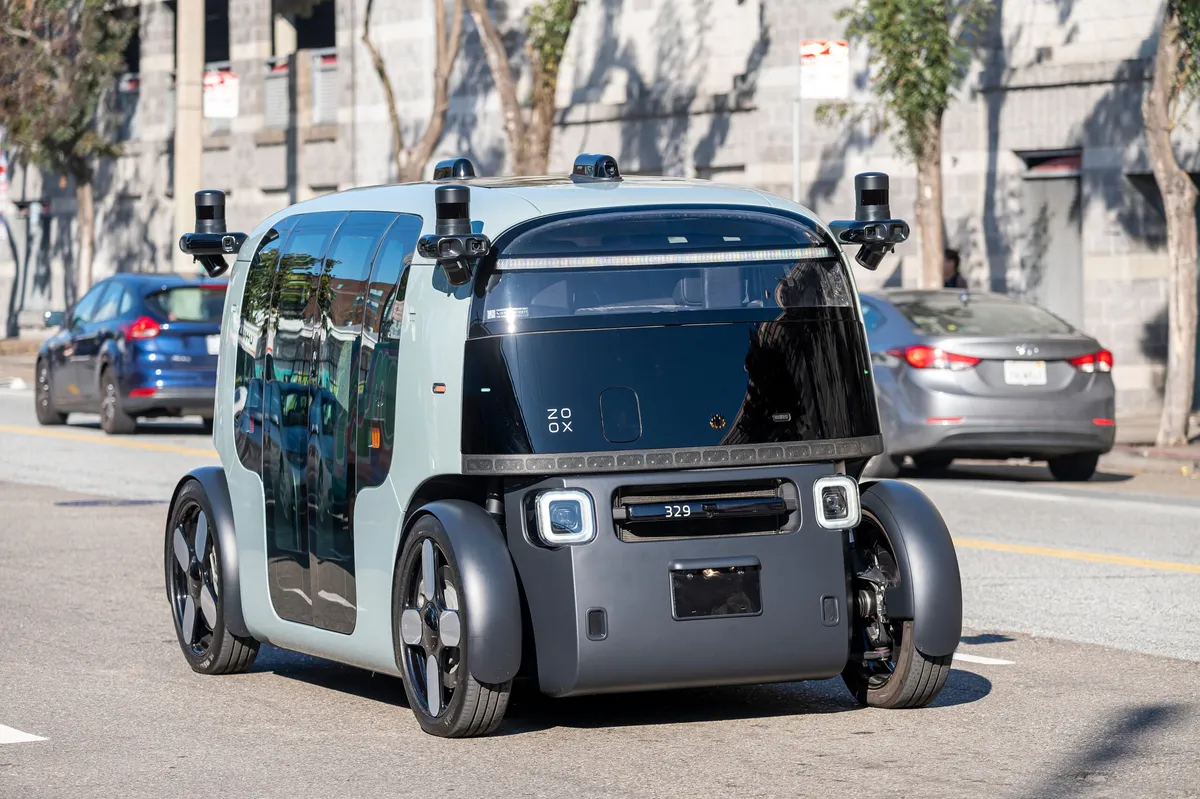
In a groundbreaking move for the autonomous vehicle industry, Amazon's Zoox division is set to begin charging fares for its driverless taxis starting August 10, 2026, in Las Vegas. This initiative marks a significant milestone as it introduces a fare structure for vehicles that operate without traditional driver controls, positioning Zoox among the pioneers in the evolving landscape of autonomous transportation. The fare system will be based on a base rate that accounts for both distance and duration of each ride, although specific pricing details remain undisclosed.
As the first of its kind in the United States, Zoox's fare implementation is a crucial step toward commercializing autonomous ride-hailing services. This move comes at a time when public and regulatory scrutiny of self-driving technology is at an all-time high, raising important questions about safety, user trust, and the broader implications for the transportation sector.

The Rise of Autonomous Ride-Hailing Services
Zoox’s entry into the fare-charging arena signals a turning point in the autonomous vehicle market, which has seen numerous companies vying for dominance. Alphabet Inc.'s Waymo has been leading the way with its own driverless taxi service, boasting a fleet that still includes manual controls for safety. In contrast, Zoox's unique design eliminates the need for steering wheels and pedals, offering a fully autonomous experience. The recent approval from the National Highway Traffic Safety Administration (NHTSA) allows Zoox to deploy up to 5,000 vehicles over the next two years, a move that underscores the growing regulatory acceptance of driverless technology.
This shift towards commercialization also highlights the competitive landscape of autonomous ride-hailing services, with major players such as Waymo and Tesla racing to innovate. Waymo operates the largest commercial driverless taxi service in the United States, while Zoox aims to carve out its niche by offering a distinctive vehicle design and user experience.
Understanding the Fare Structure
As Zoox prepares to charge passengers for its services, it’s essential for potential riders to understand how the fare structure will work. While the company has not disclosed specific pricing, it has indicated that fares will be calculated based on:
- Base Rate: A standard fee that initiates each ride.
- Distance: The total mileage covered during the trip.
- Duration: The time taken from pickup to drop-off.
This innovative fare structure is designed to provide transparency to riders, allowing them to see the full fare before confirming their ride. Such visibility can help build user trust in the technology, which is crucial for customer acceptance of autonomous taxis.

Safety and Regulatory Considerations
The approval for Zoox to charge fares comes after extensive testing and data collection, with the company reporting over 3 million miles driven on public roads. Prior to its commercial launch, Zoox successfully transported over 1 million riders across major cities like Las Vegas, San Francisco, Austin, and Miami, showcasing the reliability of its autonomous systems.
However, the journey toward widespread adoption of autonomous vehicles is fraught with challenges. Safety remains a paramount concern, especially given the high-profile accidents associated with self-driving technology. The NHTSA's temporary exemption allowing Zoox to charge for rides reflects a cautious approach to regulation, balancing innovation with public safety.
Public Perception and Trust
Public acceptance of autonomous vehicles hinges on several factors, including safety records, user experience, and the perceived reliability of the technology. As Zoox begins charging fares, it will be imperative for the company to demonstrate that its vehicles can operate safely and efficiently in various conditions. Engaging with the community through education and transparent communication will be crucial in alleviating concerns and fostering trust among potential users.
Implications for the Future of Transportation
The introduction of fare-charging autonomous taxis by Zoox signifies a pivotal moment in the evolution of transportation. As companies like Zoox push the boundaries of self-driving capabilities, they are not just reshaping mobility but also influencing urban planning, environmental policies, and economic models.
With the potential to reduce traffic congestion and lower emissions through more efficient ride-sharing practices, autonomous taxis could play a significant role in the future of smart cities. However, with these advancements come challenges, including regulatory hurdles, ethical considerations, and the need for adequate infrastructure to support autonomous vehicles.
Economic Impact
The economic implications of widespread autonomous taxi services are profound. The potential for job displacement among traditional taxi drivers raises questions about the future of work in the transportation sector. Conversely, new opportunities may arise in technology development, vehicle maintenance, and urban planning as cities adapt to the presence of autonomous vehicles.
Key Takeaways
- Zoox will start charging fares for its driverless taxis in Las Vegas on August 10, 2026.
- The fare structure will include a base rate, distance, and duration of the trip.
- Zoox has been approved to deploy up to 5,000 autonomous vehicles in the U.S.
- Safety and public acceptance are critical factors for the success of autonomous taxis.
- The emergence of autonomous ride-hailing services could reshape the future of urban mobility.
Frequently Asked Questions
What makes Zoox's autonomous taxis different from competitors?
Zoox’s vehicles are uniquely designed to operate without traditional driver controls, such as steering wheels and pedals, providing a fully autonomous experience. This distinctive design sets Zoox apart from competitors like Waymo, which still incorporates manual controls in its vehicles. The focus on a driverless model aims to enhance passenger comfort and safety.
How does the fare calculation work for Zoox rides?
The fare for Zoox rides will be calculated based on a combination of a base rate, the distance traveled, and the duration of the trip. Riders will have the ability to view the full fare before confirming their ride, which adds a layer of transparency to the pricing model. This clear structure is intended to build trust with customers as they adapt to using autonomous services.
What are the safety measures in place for Zoox's autonomous taxis?
Zoox has completed extensive testing, accumulating over 3 million miles driven on public roads and successfully transporting over 1 million riders prior to commercial launch. The company is committed to meeting safety regulations and continually improving its systems through real-world data collection. Public safety remains a priority as the company navigates the regulatory landscape.
How might autonomous taxis affect the job market?
The rise of autonomous taxis could have significant implications for the job market, particularly for traditional taxi drivers. While some jobs may be displaced, the technology could also create new opportunities in fields related to vehicle maintenance, software development, and urban planning. As the industry evolves, there will be a need for reskilling and adaptation to ensure that workers can transition into new roles.
Comments
Strengthening Cyber Defenses in the Age of AI Threats
As artificial intelligence evolves, U.S. officials warn of increasing cyber threats. A strategic shift towards proactive cybersecurity measures is essential for both public and private sectors.

Related articles




Popular in Business Insurance
- Surging War-Risk Insurance Rates in the Strait of Hormuz: What It Means for Shipping
- Ross & Yerger Insurance Faces Class Action Over Data Breach Allegations
- Sompo Expands U.S. Workers' Compensation Portfolio with Service Insurance Acquisition
- Legal Battle Unfolds Over $1 Million Truck Crash Insurance Payout
- Howden Group's Ambitious Journey Toward IPO and Expansion