Strengthening Cyber Defenses in the Age of AI Threats
As artificial intelligence evolves, U.S. officials warn of increasing cyber threats. A strategic shift towards proactive cybersecurity measures is essential for both public and private sectors.

The rapid development of artificial intelligence (AI) technology has brought with it unprecedented opportunities and challenges. Recent remarks from top U.S. cybersecurity officials reveal a growing concern over the potential misuse of AI in cyberattacks, prompting calls for stronger defenses across the nation's computer systems. As we advance into this new era, the question arises: How can organizations protect themselves from the sophisticated threats posed by AI-driven cybercriminals?
During a panel discussion at a cybersecurity conference in Las Vegas, Acting Federal Chief Information Security Officer Michael Duffy stressed the urgent need for both government and private organizations to shift from a reactive approach to a proactive stance regarding cybersecurity. Duffy warned that the traditional mindset of waiting for a cyber incident to occur before implementing security measures is no longer viable in a world where AI capabilities are rapidly evolving. With AI systems like the Mythos model from Anthropic PBC emerging, the potential for malicious actors to exploit these tools to compromise critical infrastructure is alarmingly high.

The Evolving Cyber Threat Landscape
The landscape of cyber threats is transforming at an unprecedented pace, and the integration of AI into cyberattack strategies is a game-changer. Duffy highlighted that organizations have historically reacted to threats rather than anticipating them, creating vulnerabilities that can be exploited by cybercriminals. The advent of AI tools has lowered the bar for hackers, allowing even those with limited technical expertise to launch sophisticated attacks.
The Role of AI in Cyberattacks
AI technologies can automate various phases of a cyberattack, such as reconnaissance, phishing, and even the execution of exploits. For example, AI can analyze vast amounts of data to identify weaknesses in a target's defenses, craft convincing phishing emails that trick employees into revealing sensitive information, or even simulate human behavior to bypass security measures. As a result, the potential for damage is significantly amplified. According to industry reports, the average cost of a data breach has now reached a staggering $5 million, underscoring the financial impact of insufficient cybersecurity measures.

Government Initiatives to Address AI Cyber Risks
In response to these escalating threats, the U.S. government has initiated several strategies aimed at enhancing cybersecurity resilience. One notable development is the establishment of a framework for voluntary safety tests of cutting-edge AI models, which was introduced under an executive order from President Donald Trump. This framework is designed to mitigate risks associated with AI technologies by promoting better practices and standards for their deployment.
The Golden Eagle Initiative
Another pivotal part of this strategy is the Golden Eagle initiative, which serves as a clearinghouse for sharing information about cyber vulnerabilities detected using AI. This initiative is intended to facilitate faster identification and resolution of security gaps in computer systems, thereby minimizing the window of opportunity for potential cybercriminals. By fostering collaboration between government agencies and private sector entities, the initiative aims to create a more unified front against AI-driven cyber threats.

The Shift to Proactive Cybersecurity
As the threat landscape continues to evolve, cybersecurity experts emphasize the necessity of transitioning from a reactive to a proactive approach. This mindset shift involves not only implementing advanced security technologies but also fostering a culture of cybersecurity awareness within organizations. Employees should be trained to recognize potential threats and understand the importance of adhering to security protocols.
Building a Robust Cybersecurity Framework
To effectively counter AI-driven cyber threats, organizations should consider the following strategies:
- Regular Security Assessments: Conduct frequent vulnerability assessments and penetration testing to identify weaknesses before they can be exploited.
- Employee Training: Implement ongoing training programs to educate employees about cybersecurity best practices, including recognizing phishing attempts and responding to suspicious activities.
- Incident Response Plans: Develop and regularly update incident response plans to ensure organizations are prepared to respond quickly and effectively to any security breaches.
- Collaboration and Information Sharing: Engage with industry peers and government initiatives like Golden Eagle to share information on emerging threats and best practices.
- Invest in Advanced Technologies: Utilize AI-driven security solutions that can analyze patterns and detect anomalies in real-time, providing an added layer of protection against sophisticated attacks.
Key Takeaways
- The rise of AI technologies presents new challenges for cybersecurity, necessitating a shift from reactive to proactive measures.
- Government initiatives like the Golden Eagle program aim to bolster defenses against AI-driven cyber threats.
- Organizations should invest in employee training, advanced technologies, and robust incident response plans to enhance their cybersecurity posture.
- Collaboration between the public and private sectors is essential for sharing information and addressing vulnerabilities.
Frequently Asked Questions
What are the main risks associated with AI in cybersecurity?
The integration of AI into cyberattacks poses several risks, including automated exploitation of vulnerabilities, enhanced phishing schemes, and the ability for cybercriminals to launch attacks at a scale and speed that was previously unimaginable. As AI technologies become more accessible, even those with limited technical skills can leverage these tools to conduct sophisticated attacks, increasing the overall risk landscape.
How can organizations prepare for AI-driven cyber threats?
Organizations can prepare for AI-driven cyber threats by implementing comprehensive cybersecurity strategies that include regular security assessments, employee training on best practices, and the development of incident response plans. By fostering a culture of cybersecurity awareness and investing in advanced technologies, organizations can better defend themselves against evolving threats.
What role does the government play in enhancing cybersecurity?
The government plays a crucial role in enhancing cybersecurity by establishing frameworks and initiatives that promote industry-wide collaboration and information sharing. Programs like Golden Eagle help facilitate the exchange of information about cyber vulnerabilities and best practices, enabling organizations to better protect themselves against threats. Additionally, government regulations can set standards for cybersecurity practices across various sectors.
What steps should be taken if a cyber breach occurs?
In the event of a cyber breach, organizations should follow their incident response plans, which typically include steps such as containing the breach, assessing the damage, notifying affected parties, and reporting the incident to relevant authorities. A thorough post-incident analysis should also be conducted to identify weaknesses and improve defenses against future attacks. Prompt action is critical to minimize the impact of a breach and restore confidence among stakeholders.
Comments
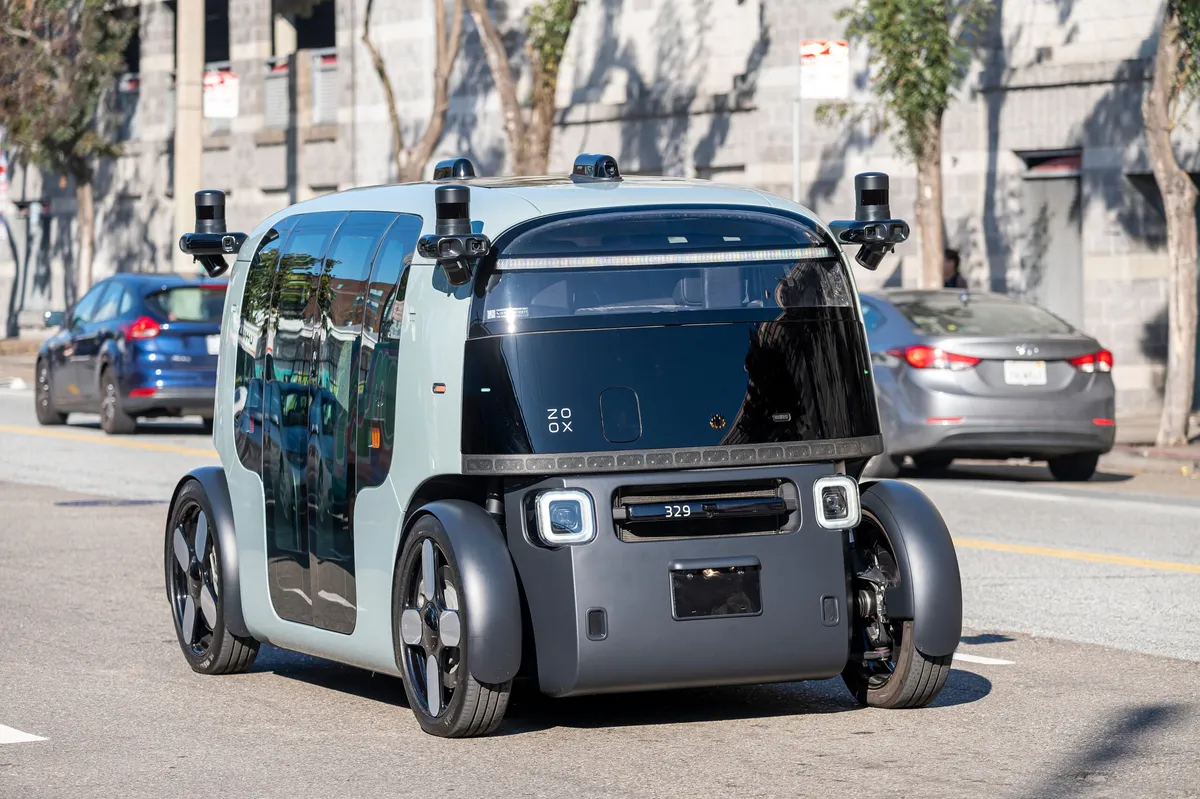
Amazon's Zoox Launches Fare Structure for Driverless Taxis in Las Vegas
Zoox, Amazon's autonomous vehicle division, is set to charge fares for its driverless taxis in Las Vegas, marking a significant milestone for self-driving technology. This development raises questions about the future of transportation, safety standards, and user experience in the emerging market of autonomous ride-hailing services.
Related articles






Popular in Business Insurance
- Surging War-Risk Insurance Rates in the Strait of Hormuz: What It Means for Shipping
- Ross & Yerger Insurance Faces Class Action Over Data Breach Allegations
- Sompo Expands U.S. Workers' Compensation Portfolio with Service Insurance Acquisition
- Legal Battle Unfolds Over $1 Million Truck Crash Insurance Payout
- Howden Group's Ambitious Journey Toward IPO and Expansion