Allstate's Strategic Shift: Independent Agents and Market Dynamics in 2026
Allstate Corporation's recent surge in profits coincides with a strategic pivot towards independent agents. This article explores the implications of these trends for agents, consumers, and the broader insurance market.
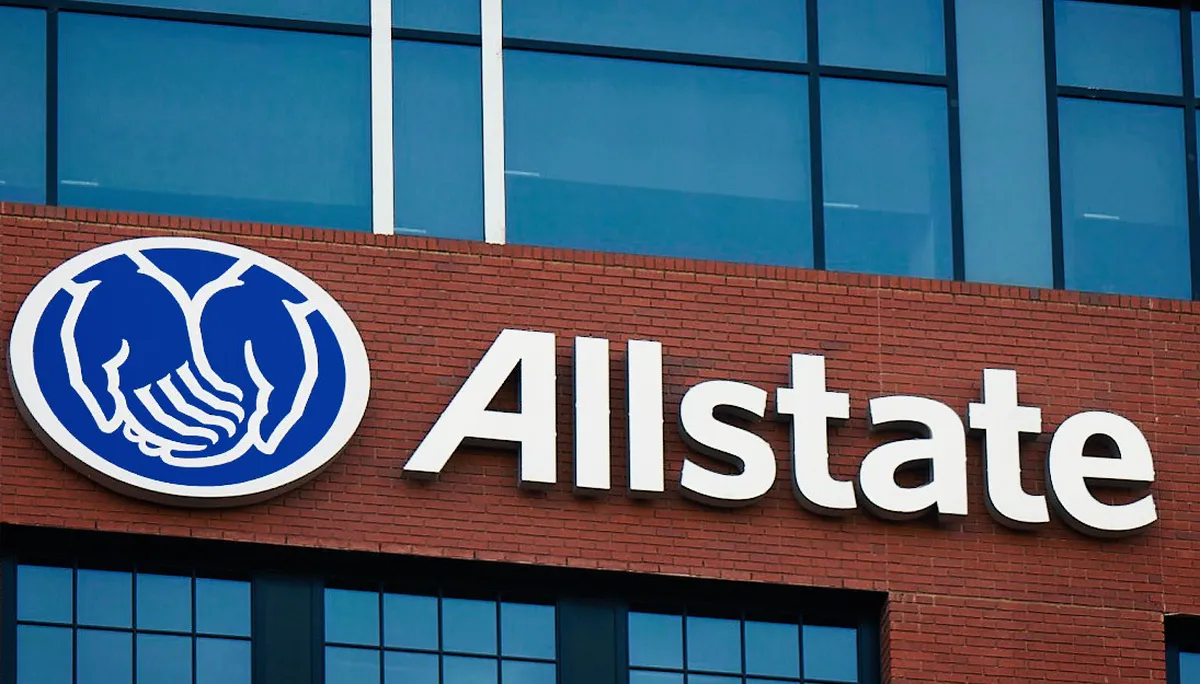
In the ever-evolving landscape of the U.S. insurance market, Allstate Corporation has emerged as a noteworthy player, showcasing significant growth and a strategic pivot towards independent agents. The company recently reported a remarkable second-quarter net income of $3.2 billion, marking a 56% increase from the previous year. With revenues hitting $18.6 billion, up 11.8%, it's clear that Allstate is not just weathering the storm of market fluctuations but is actively shaping its future. This transformation is particularly significant for independent insurance agents, who are increasingly becoming a vital part of Allstate's distribution strategy.
As independent agents now account for 28% of Allstate's new auto insurance business applications—up from 21% just a year prior—it's evident that the company is making substantial inroads into this channel. This shift is not merely a numerical increase; it reflects a broader trend in the industry where independent agents are gaining market share amid changing consumer preferences and competitive pressures.

Understanding Allstate's Growth Strategy
Allstate's shift towards independent agents is strategically aligned with its new product offerings and the changing dynamics of the insurance market. The standout product driving this growth is Custom360, a tailored auto and homeowners insurance solution designed specifically for independent agents. This product is now available in 41 states, significantly expanding its reach from 36 states at the end of 2025. In comparison, Allstate's exclusive product, Affordable, Simple, Connected, is available in 45 states, indicating a focused effort to cater to diverse consumer needs through different distribution channels.
Market Trends Favoring Independent Agents
The rise of independent agents is also supported by broader industry trends. According to the Big 'I' 2026 Market Share Report, independent agents accounted for 39.5% of all personal lines premiums in 2025, marking their fourth consecutive annual gain. This growth underscores a critical shift in how consumers view their insurance purchasing options, with many opting for the personalized service and advice that independent agents provide.

Rate Changes and Competitive Pricing
Another pivotal aspect of Allstate's strategy is its approach to pricing. The company implemented rate changes across 36 states in the second quarter of 2026, a significant departure from the double-digit increases that characterized the previous two years. This shift towards a more stable pricing environment means that agents renewing personal auto accounts with Allstate are no longer facing the hardening rates that have plagued the market. Instead, Allstate's improved combined ratios, now at 86.6, signify a healthier underwriting environment that allows for competitive pricing.
Financial Health Indicators
Allstate's financial performance reveals encouraging trends that bolster its competitive position. The property-liability combined ratio improved by 4.5 points year-over-year, with auto insurance specifically showing a reduction in combined ratio to 83.3. However, this figure is somewhat inflated due to a $1.5 billion release in prior-year auto reserves, raising the adjusted underlying auto combined ratio to 90.0. This highlights the importance of understanding underlying financial metrics when evaluating an insurer’s performance and pricing strategies.

The Role of Advertising and Customer Acquisition
In addition to strategic product offerings and competitive pricing, Allstate is significantly ramping up its advertising efforts. The company allocated $2.1 billion to advertising in the first half of 2026, a dramatic increase from $638 million in all of 2023. This substantial investment aims to enhance customer acquisition across multiple distribution channels, indicating Allstate's commitment to expanding its market presence and driving new business growth.
Impact on Independent Agents
For independent agents, Allstate's strategic pivot presents both opportunities and challenges. The enhanced product offerings and competitive pricing create a more attractive environment for agents to work within, potentially increasing their commission earnings and market share. However, as Allstate continues to invest heavily in customer acquisition, agents must differentiate themselves through exceptional service and personalized insurance solutions to maintain their relevance in a rapidly changing marketplace.
Key Financial Metrics and Shareholder Relations
Allstate's robust financial health is underscored by its impressive net investment income, which rose 33.8% in Q2 2026, reaching over $1 billion. The investment portfolio has shown a solid return of 5.6% over the trailing 12 months, further enhancing the company's ability to pay dividends and repurchase shares. In the second quarter, Allstate repurchased $1 billion in shares, with $2.6 billion remaining under a $4 billion authorization, indicating strong confidence in its future prospects and shareholder value.

Key Takeaways
- Allstate's net income surged to $3.2 billion, reflecting a 56% increase year-over-year.
- Independent agents now comprise 28% of Allstate's new auto business, signaling a shift in distribution strategy.
- The company has introduced Custom360, a product tailored for independent agents, now available in 41 states.
- Allstate's advertising budget rose significantly, with $2.1 billion spent in the first half of 2026.
- Combined ratios have improved, allowing Allstate to compete more effectively on price.
Frequently Asked Questions
What does Allstate's focus on independent agents mean for consumers?
Allstate's increasing reliance on independent agents indicates a shift towards more personalized service options for consumers. Independent agents often provide tailored advice and can offer a wider variety of products from different insurers, ensuring consumers receive coverage that best fits their needs. This trend could lead to improved customer satisfaction as agents work to provide personalized solutions.
How do combined ratios affect insurance pricing?
Combined ratios are crucial indicators of an insurance company's profitability. A lower combined ratio suggests that an insurer is spending less on claims and expenses relative to the premiums it collects, which can allow for more competitive pricing. Allstate's improved combined ratios mean they have the financial capability to offer more attractive premiums, benefiting both the company and its policyholders.
What impact does advertising have on insurance companies like Allstate?
Advertising plays a significant role in shaping consumer perceptions and driving customer acquisition in the insurance industry. For Allstate, increasing its advertising budget is a strategic move to bolster brand recognition and attract new customers. A strong advertising presence can help differentiate Allstate from competitors and emphasize its unique offerings, particularly in the independent agent channel.
What can independent agents do to succeed in this changing market?
Independent agents can thrive in this evolving market by focusing on building strong relationships with clients and offering personalized services. They should leverage the unique products available to them, such as Allstate's Custom360, to provide tailored solutions that meet specific client needs. Continuous education and staying updated on industry trends will also be essential in maintaining a competitive edge.
Comments
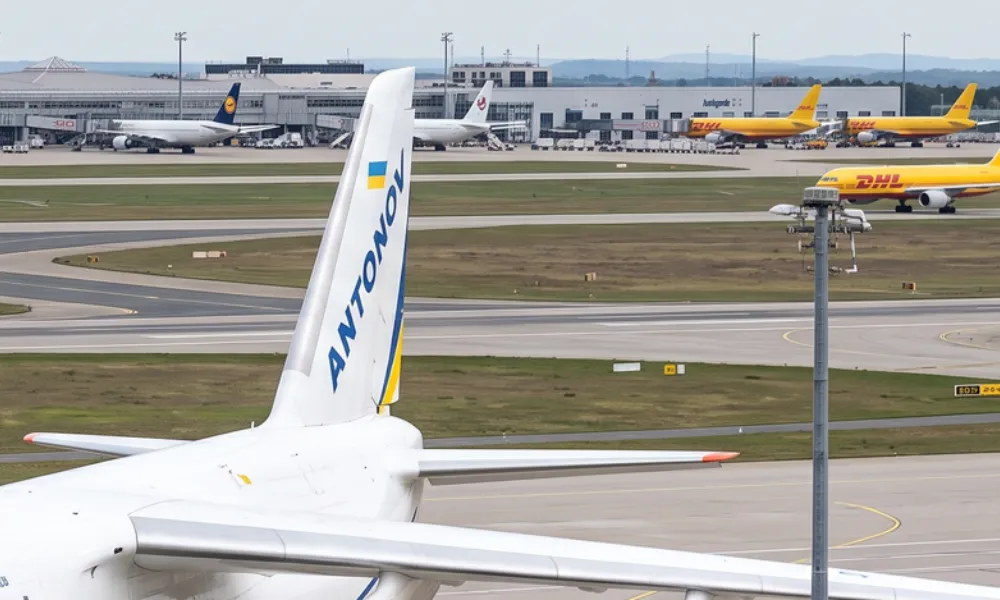
Explosive Drone Found at German Airport Sparks Aviation Security Concerns
A drone rigged with explosives was discovered near Leipzig/Halle Airport, raising alarms about aviation security in Europe. This incident reveals evolving threats and challenges for insurers and airport authorities.
Related articles






Popular in Business Insurance
- Surging War-Risk Insurance Rates in the Strait of Hormuz: What It Means for Shipping
- Ross & Yerger Insurance Faces Class Action Over Data Breach Allegations
- Sompo Expands U.S. Workers' Compensation Portfolio with Service Insurance Acquisition
- Legal Battle Unfolds Over $1 Million Truck Crash Insurance Payout
- Howden Group's Ambitious Journey Toward IPO and Expansion