Exploring the Landscape of Top Insurance Carriers and Administrators in 2026
The 2026 5-Star Program Administrators and Carriers report sheds light on the top insurance players in the U.S., emphasizing the evolving role of program administrators and their critical partnerships with carriers. This article delves into the findings, trends, and implications for the insurance market.

The insurance landscape in the United States is undergoing a transformative shift, particularly through the pivotal roles played by program administrators (PAs) and insurance carriers. The 2026 5-Star Program Administrators and Carriers report, released by Insurance Business America, highlights the top performers in this sector, offering insights into the criteria that define excellence in this specialized niche of the insurance industry. As these players navigate a market characterized by increasing complexity and competition, their influence is becoming more pronounced, shaping underwriting practices and policy offerings across the board.
Program administrators are an essential part of the insurance ecosystem, holding unique underwriting authority and working closely with carriers to offer tailored insurance solutions. This report details the winners in various categories, assessed not solely on financial metrics but also through the lens of industry peers. The collaborative evaluation process underscores the importance of relationships and trust in the insurance sector, making the findings relevant to all stakeholders involved.
The Role of Program Administrators in the Insurance Market
Program administrators operate as the middlemen between insurance carriers and agents or brokers, wielding considerable influence over underwriting decisions and pricing strategies. Their responsibilities often include:
- Underwriting Authority: PAs can underwrite policies directly, which allows them to expedite the process of issuing coverage and managing risks.
- Program Development: They design specialized insurance programs tailored to specific industries or risk profiles, enhancing the ability to meet niche market demands.
- Capital Management: Working with carriers, PAs manage the capital that supports the programs they develop, ensuring stability and growth.
- Market Insights: PAs provide valuable feedback to carriers based on their direct interactions with clients, enabling improvements in product offerings.

Evaluating Excellence: The 5-Star Methodology
The 2026 report's methodology stands out for its peer-based evaluation approach. Unlike conventional assessments that may rely heavily on financial metrics, this report incorporates direct feedback from program administrators regarding their carrier partners. Carriers are rated on a scale of 1 to 5 across ten key categories, including:
- Expertise
- Stability
- Innovation
- Claims handling
- Market responsiveness
To qualify as a 5-Star Award winner, a carrier must achieve an average score of 4 or higher. This rating system captures the nuanced expectations of program administrators, reflecting a growing sophistication in their requirements. As the industry evolves, the emphasis on qualitative evaluations signals a shift towards valuing service quality and reliability over sheer market presence.
Trends Shaping the Future of the Insurance Landscape
The report reveals several significant trends impacting the insurance industry, particularly in the realm of program administration:
1. Increasing Expectations for Claims Handling
Survey data indicates that claims specialization has become a focal point for PAs, with its average importance rating climbing from 3.71 in 2024 to 4.44 in 2026. This increase aligns with a broader industry narrative regarding rising litigation and claims complexities, particularly in high-risk sectors like trucking. As these challenges grow, PAs are demanding carriers that can provide expertise and streamlined claims processes.
2. Financial Stability and Its Implications
While financial stability remains a critical consideration, its perceived importance has fluctuated slightly, peaking at 4.92 in 2025 and settling at 4.78 in 2026. This trend suggests that while PAs continue to prioritize financial robustness, they are also looking beyond traditional metrics to assess partnerships. PAs are now more discerning about which carriers can deliver consistent performance rather than merely relying on their financial standing.
3. The Impact of Private Equity
Private equity's increasing stake in the MGA sector—now owning over 30% of U.S. entities—highlights the allure of insurance as a lucrative investment. This influx of capital is reshaping operational strategies, encouraging MGAs to adopt more agile, fee-based models that can better respond to market demands. However, this trend also raises questions about long-term sustainability and the pressures of profitability in a competitive environment.

Spotlight on Industry Leaders
This year’s report features outstanding contributions from several notable program administrators, including Great Lakes General Agency, Jencap, and RPS. Each of these firms has distinguished itself through strategic discipline and a focus on long-term success.
Great Lakes General Agency
Celebrating its 38th anniversary in 2026, Great Lakes General Agency exemplifies the value of experience and data-driven decision-making. Under the leadership of Jason Austin, the firm has maintained a strong focus on its core trucking specialty, leveraging decades of underwriting data to inform its strategies. Great Lakes has also embraced telematics to enhance risk assessment and improve underwriting accuracy, setting it apart from newer competitors. The firm’s independence allows it to foster a collaborative environment that empowers agents and brokers to innovate.
Jencap
Jencap has made significant strides in expanding its footprint in the program administration space by prioritizing specialized programs and fostering relationships with carriers. Their commitment to innovation and responsiveness to market changes has positioned them as a leader in the industry, particularly in catering to niche markets.
RPS
With a robust portfolio of programs, RPS continues to thrive by focusing on strategic partnerships and operational excellence. Their approach to underwriting and risk management reflects a deep understanding of the complexities within different sectors, allowing them to offer tailored solutions that meet the specific needs of clients.

Key Takeaways
- The 2026 5-Star report highlights the importance of peer-based evaluations in assessing program administrators and carriers.
- Claims handling specialization and financial stability are increasingly prioritized by program administrators.
- Private equity investment in the MGA sector is reshaping operational strategies and market dynamics.
- Longevity and specialized focus remain critical competitive advantages in a fragmented insurance market.
- Leaders like Great Lakes, Jencap, and RPS illustrate the potential for innovation grounded in deep industry knowledge.
Frequently Asked Questions
What is a program administrator in the insurance industry?
Program administrators (PAs) are specialized firms that manage insurance programs on behalf of carriers. They possess underwriting authority, allowing them to assess risk and issue policies directly, often in niche markets. PAs design these programs to cater to specific industries or types of risks, leveraging their expertise to better serve clients and enhance the overall efficiency of the insurance process.
How are the 5-Star winners determined in the report?
The 5-Star winners are identified based on evaluations from program administrators and carriers. Carriers are rated on a scale from 1 to 5 across ten categories, including expertise, stability, and innovation. To earn the 5-Star Award, a carrier must achieve an average score of 4 or higher. This methodology emphasizes qualitative feedback over traditional financial metrics, providing a more nuanced view of carrier performance in the market.
What trends are influencing the insurance market in 2026?
Key trends affecting the insurance market in 2026 include rising expectations for claims handling, fluctuating perceptions of financial stability, and increasing private equity involvement in the MGA sector. Program administrators are demanding more from their carrier partners, focusing on the quality of service and specialization rather than merely capacity. This environment is fostering a more competitive landscape where the ability to adapt and innovate is paramount.
Why is longevity important for program administrators?
Longevity in the insurance industry signifies experience, stability, and a deep understanding of market dynamics. Established program administrators often possess extensive underwriting data, which can inform better risk assessment and decision-making. As the market becomes more fragmented, those with a long history and a specialized focus can leverage their knowledge to maintain a competitive edge over newer entrants, enhancing their ability to navigate challenges and seize opportunities effectively.
Comments
AI Data Center Expansion Challenges Property and Casualty Insurers
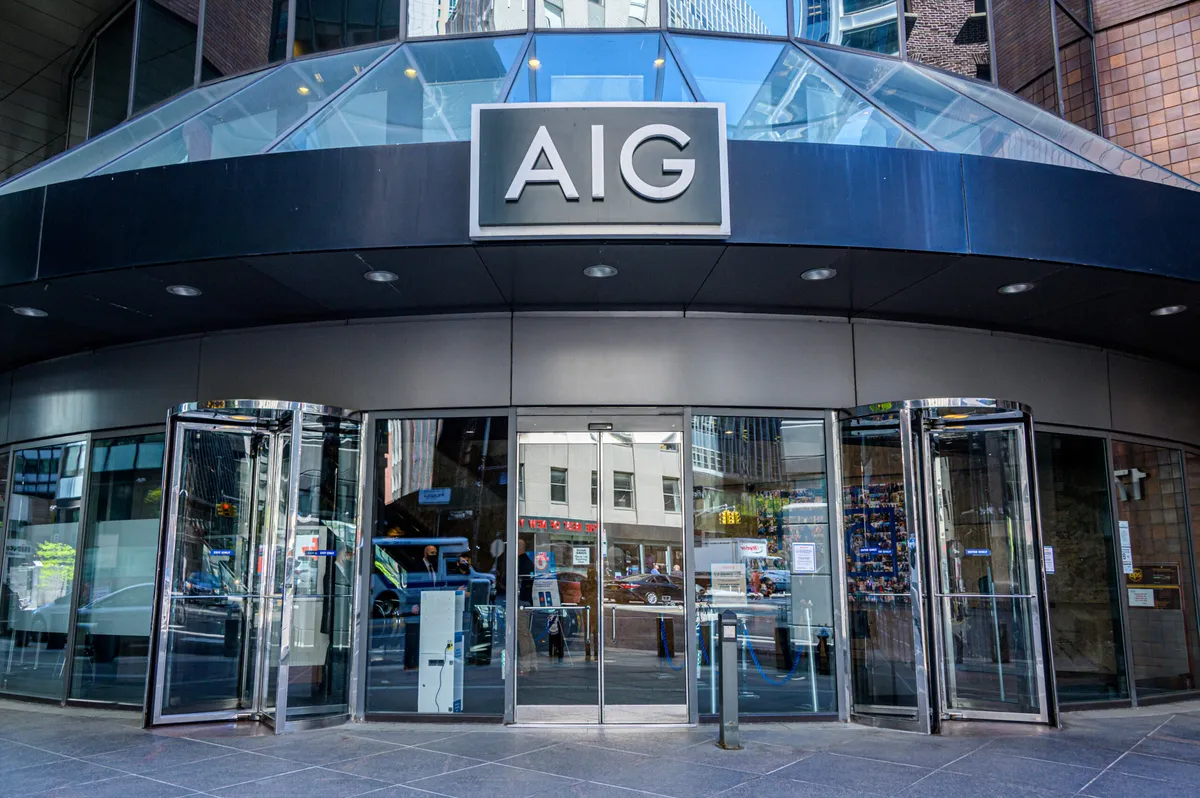
The boom in AI data center construction is creating unprecedented challenges for property and casualty insurers. AIG's CEO discusses the implications for coverage, underwriting, and the future of insurance in this rapidly evolving landscape.
Related articles






Popular in Business Insurance
- Surging War-Risk Insurance Rates in the Strait of Hormuz: What It Means for Shipping
- Ross & Yerger Insurance Faces Class Action Over Data Breach Allegations
- Sompo Expands U.S. Workers' Compensation Portfolio with Service Insurance Acquisition
- Legal Battle Unfolds Over $1 Million Truck Crash Insurance Payout
- Howden Group's Ambitious Journey Toward IPO and Expansion