AI Data Center Expansion Challenges Property and Casualty Insurers
The boom in AI data center construction is creating unprecedented challenges for property and casualty insurers. AIG's CEO discusses the implications for coverage, underwriting, and the future of insurance in this rapidly evolving landscape.
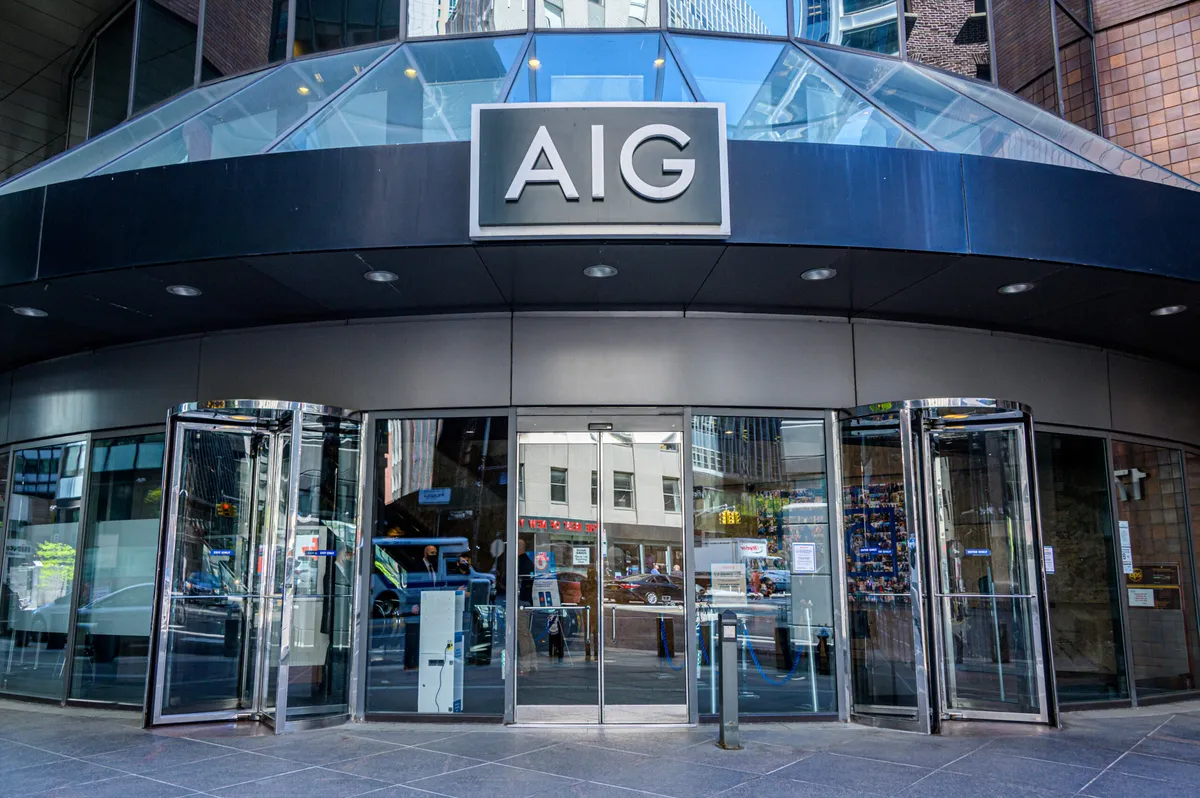
The rapid expansion of artificial intelligence (AI) and its underlying infrastructure is reshaping various sectors, including insurance. As data centers proliferate to accommodate the growing demand for AI capabilities, the property and casualty (P&C) insurance industry is facing unprecedented challenges. Eric Andersen, the newly appointed CEO of American International Group (AIG), recently underscored this dynamic during an interview, highlighting how the burgeoning AI ecosystem is both a boon and a burden for insurers.
In Andersen's view, while the AI data center buildout presents a "great opportunity" for the insurance market, it is simultaneously pushing insurers to their operational limits. This rapid growth necessitates comprehensive insurance coverage that spans construction, cyber liability, property damage, and more, creating a complex landscape for underwriters to navigate.
The Complexity of Insuring AI Infrastructure
Andersen articulated that the insurance requirements for AI data centers are multifaceted. As these facilities require extensive financial backing and risk coverage, they demand policies that address a range of factors:
- Construction Insurance: Protects against risks during the building phase, covering potential issues like contractor errors and project delays.
- Cyber Insurance: With data centers housing sensitive information, cyber insurance is crucial to mitigate risks associated with data breaches and cyberattacks.
- Property Insurance: Covers physical assets from damage due to events like fires, floods, or vandalism.
- Liability Insurance: Protects against lawsuits resulting from injuries or damages linked to the operation of data centers.
This intricate web of insurance needs is pushing the P&C insurance market to its limits. Andersen noted that AIG is uniquely positioned to capitalize on this trend, as it offers solutions across all these necessary areas.

Market Dynamics and Growth Opportunities
The surge in demand for data center insurance is indicative of a broader trend within the insurance industry. According to S&P Global Ratings, the increasing insurance needs tied to the construction and operation of AI data centers present a significant growth opportunity for insurers. As companies look to capitalize on AI advancements, they will require robust insurance coverage to safeguard their investments.
AIG, under Andersen's leadership, is actively engaged in several facets of the construction process. This involvement not only enhances their understanding of the risks involved but also positions AIG as a leader in providing comprehensive insurance solutions to power providers and technology firms alike.
Implications for Underwriting and Claims Processes
The challenges posed by the AI data center boom extend beyond just coverage limits; they also impact underwriting and claims processes. As companies like AIG explore the incorporation of AI into their operations, they are focusing on enhancing efficiency and accuracy in underwriting and claims management.
Leveraging AI in Insurance Operations
Andersen highlighted AIG's interest in utilizing artificial intelligence to streamline its operational framework. By automating aspects of underwriting, AIG aims to reduce the time and resources spent on risk assessments. This could lead to more accurate pricing of policies and quicker claims processing, ultimately benefiting policyholders.
For instance, AI algorithms can analyze vast datasets to identify risk patterns and predict potential claims, allowing insurers to price policies more competitively. This not only enhances profitability but also improves customer satisfaction.

Industry Performance and Future Outlook
Despite these growth opportunities, AIG's stock performance has been a mixed bag. As of recent reports, AIG shares were down 9.3% year-to-date, contrasting sharply with the KBW Insurance Index, which had risen 8.9%. This discrepancy highlights the volatility and uncertainty that can accompany rapid industry changes, particularly in sectors like insurance where underwriting and claims processes are heavily influenced by evolving risks.
Moreover, AIG's recent quarterly results surpassed Wall Street expectations, a testament to the company's resilience and strategic direction under Andersen's leadership. His predecessor, Peter Zaffino, had already set a solid foundation for AIG by reversing years of underwriting losses and streamlining operations, leaving Andersen with a strong platform to build upon.

Key Takeaways
- The AI data center boom is pushing property and casualty insurers to their limits.
- AIG is leveraging its comprehensive product offerings to capitalize on this growth opportunity.
- AI technologies are being integrated into insurance operations to enhance underwriting and claims processes.
- Insurers must navigate complex insurance needs that encompass construction, cyber risks, property, and liability.
- The insurance industry's performance remains volatile amidst rapid changes in risk landscapes.
Frequently Asked Questions
What types of insurance are essential for AI data centers?
AI data centers require a variety of insurance coverages, including construction insurance to protect against risks during the building phase, cyber insurance to safeguard against data breaches, property insurance for physical asset protection, and liability insurance to cover potential lawsuits related to operations. This comprehensive coverage is essential to mitigate the diverse risks associated with operating data centers, which are critical to the AI ecosystem.
How is AIG adapting to the challenges posed by the AI boom?
AIG is adapting by focusing on its strengths in providing diverse insurance solutions tailored to the unique needs of AI data centers. Under CEO Eric Andersen, the company is also exploring the use of artificial intelligence to streamline underwriting and claims processes, aiming to enhance efficiency and accuracy. This strategic approach positions AIG to capitalize on the growth potential in the market while effectively managing emerging risks.
What trends are shaping the future of property and casualty insurance?
The future of property and casualty insurance is being shaped by several trends, including the increasing complexity of risks associated with technological advancements like AI, the growing importance of cyber insurance, and the need for insurers to leverage data analytics and artificial intelligence to enhance their operations. Additionally, as businesses continue to evolve in response to digital transformation, insurers must adapt their products and services to meet the changing needs of their clients.
How can businesses prepare for the evolving insurance landscape?
Businesses can prepare for the evolving insurance landscape by proactively assessing their risk exposure, particularly as it relates to new technologies and data management practices. Engaging with insurance providers to understand specific coverage needs, including those related to technology and cyber risks, is crucial. Additionally, companies should stay informed about industry trends and regulatory changes that may impact their insurance requirements, ensuring they are adequately protected in a rapidly changing environment.
Comments
Court Ruling Highlights Challenges for Farm Workers Facing Heat-Related Injuries
A recent North Carolina court decision underscores the legal hurdles faced by farm workers suffering from heat exposure, even amid alarming statistics about heat-related injuries. This article explores the implications of the ruling and the broader context of worker protections.

Related articles





Popular in Business Insurance
- Surging War-Risk Insurance Rates in the Strait of Hormuz: What It Means for Shipping
- Ross & Yerger Insurance Faces Class Action Over Data Breach Allegations
- Sompo Expands U.S. Workers' Compensation Portfolio with Service Insurance Acquisition
- Legal Battle Unfolds Over $1 Million Truck Crash Insurance Payout
- Howden Group's Ambitious Journey Toward IPO and Expansion