AI's Climate Conundrum: The Silence of Industry Giants Amid Growing Concerns
As artificial intelligence giants like OpenAI and Anthropic prepare for IPOs, their lack of transparency on climate impacts raises significant concerns. With new regulations on the horizon, the future of AI and sustainability remains uncertain.
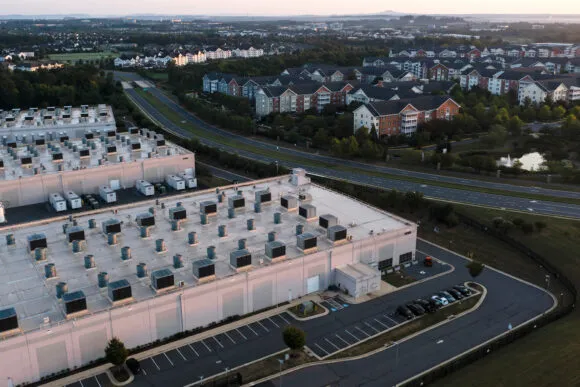
In recent years, the rapid ascent of artificial intelligence (AI) startups has reshaped the technological landscape, propelling them into the ranks of the world’s most valuable companies. With estimated valuations nearing a trillion dollars, firms like OpenAI and Anthropic are on the brink of going public. However, as these titans prepare for their initial public offerings (IPOs), a glaring issue looms large: their conspicuous silence on climate-related disclosures. Unlike many established corporations that have embraced sustainability reporting, these emerging giants have yet to disclose their greenhouse gas emissions, net-zero commitments, or comprehensive sustainability reports. The implications of this lack of transparency extend beyond corporate boardrooms; they raise critical questions about environmental accountability in an era where climate change is increasingly seen as a pressing global crisis.
Historically, the sustainability narrative has been a significant factor for investors. Firms like ExxonMobil have taken steps to provide sustainability reports voluntarily, highlighting their environmental efforts. In contrast, tech giants such as Alphabet (Google), Meta (Facebook), Amazon, and Microsoft have actively pursued net-zero goals, as their own emissions have surged due to the expansion of data centers essential for AI operations. Yet, in the current climate backlash, many investors seem to have softened their stance on sustainability, leaving the public to speculate about the environmental footprint of AI models.

The Regulatory Landscape: A Turning Point for AI Companies
As the push for corporate accountability grows, regulatory frameworks are beginning to evolve. California’s SB253 law, set to take effect in November 2023, will mandate that companies generating over $1 billion in revenue report their Scope 1 and 2 greenhouse gas emissions. These emissions stem from direct operations and energy consumption, and the California regulations extend their reach beyond state lines. Notably, Anthropic is collaborating with Watershed, a carbon accounting platform, to measure its emissions in compliance with this new law. OpenAI is also taking steps to align with these regulations, working with its data center partners to prepare for the reporting deadline.
The implications of these regulations are profound. Compliance will not only require companies to disclose their emissions but also to address environmental impacts associated with their operations. Failure to comply could result in financial penalties and reputational damage, which may deter investors who are increasingly scrutinizing corporate sustainability practices.

Shifting Investor Attitudes: The Decline of ESG Focus
The decline of Environmental, Social, and Governance (ESG) investing has coincided with the rise of AI. Once a focal point for investors, ESG initiatives have seen a downturn, particularly under political pressures that challenge climate accountability. Following the Paris Agreement in 2015, ESG investing gained momentum, with influential figures like BlackRock’s Larry Fink championing climate change as a major financial risk. However, as regulatory bodies like the SEC have retreated from enforcing climate disclosure rules, institutional investors have pulled back from demanding transparency.
This diminishing pressure from the investment community has left companies like OpenAI and Anthropic unchallenged in their lack of climate disclosures. For instance, while Lyft made significant commitments to carbon neutrality prior to its public listing in 2019, current market conditions see firms like SpaceXAI downplaying environmental concerns altogether. Despite criticism surrounding their emissions and sustainability practices, these companies have faced little to no backlash in the market, leading to questions about the accountability of corporate leaders in addressing climate risks.

The Complexity of Emissions Accounting in AI
One of the challenges that AI companies face in disclosing their emissions is the complexity of accurately measuring the carbon footprint associated with training large language models and operating data centers. There is currently no standardized method for allocating emissions from AI operations, making it difficult for companies to provide clear and comprehensive disclosures. As noted by Maura Hodge, a sustainability leader at KPMG, the intricacies of emissions measurement remain unresolved, complicating compliance with existing and forthcoming regulations.
As Anthropic and OpenAI gear up for California’s reporting requirements, they may opt to classify a significant portion of their emissions as Scope 3 emissions—those generated by their supply chain. This classification would allow them to defer responsibility for emissions tied to data centers operated by third parties, such as Microsoft and Amazon, until California’s Scope 3 requirements take effect in 2027. However, this approach could raise questions among stakeholders regarding the sincerity of their sustainability commitments.
Global Perspectives: The Contrast Between Regions
While U.S. investors and regulatory bodies appear to be retreating from aggressive climate action and accountability, the narrative in Europe remains quite different. European investors have maintained pressure on companies to disclose emissions and address sustainability concerns, contrasting sharply with their U.S. counterparts. As Kristin Hull, founder and CIO of Nia Impact Capital, noted, European investors have not decreased their scrutiny of emissions the way many U.S. investors have.
This divergence in attitudes could have significant implications for AI companies looking to expand their operations internationally. As global regulations evolve, companies like OpenAI and Anthropic may find themselves navigating a complex web of requirements that vary markedly from region to region. The need for transparency and accountability in emissions reporting is more pronounced in Europe, where regulations are increasingly stringent and public sentiment strongly favors environmental stewardship.

Key Takeaways
- AI companies are facing increasing pressure to disclose their greenhouse gas emissions.
- California’s SB253 law will require major companies to report emissions starting November 2023.
- The decline of ESG investing has diminished pressure on companies to prioritize sustainability.
- Global differences in regulatory environments could impact the operational strategies of AI firms.
- Transparency in emissions reporting is essential for maintaining investor trust and corporate accountability.
Frequently Asked Questions
Why have AI companies not disclosed their emissions yet?
The lack of emissions disclosure among leading AI companies can be attributed to various factors, including the complexity of accurately measuring emissions from their operations and a perceived lack of regulatory pressure. Furthermore, the recent political climate has led to a diminished focus on sustainability among investors, reducing the urgency for these companies to prioritize environmental accountability.
What are Scope 1, 2, and 3 emissions?
Scope 1 emissions refer to direct greenhouse gas emissions from owned or controlled sources, while Scope 2 emissions are indirect emissions from the generation of purchased electricity, steam, heating, and cooling consumed by the reporting company. Scope 3 emissions, on the other hand, are a consequence of the company's activities but occur from sources not owned or controlled by the company, such as emissions from the supply chain. Understanding these categories is crucial for companies attempting to measure and report their total carbon footprint accurately.
How might new regulations affect AI companies?
New regulations, such as California’s SB253, will require AI companies to disclose their greenhouse gas emissions, which could significantly impact their public image and investor relations. Compliance with these regulations will necessitate transparency and accountability, pushing companies to adopt more sustainable practices. Failure to comply could lead to financial penalties and loss of investor confidence, potentially affecting their market position.
Are investors still interested in sustainability?
While there has been a notable decline in the focus on ESG investing among U.S. investors, interest in sustainability remains strong, particularly in regions like Europe. Investors continue to seek transparency and accountability regarding emissions from companies they support. This ongoing demand for sustainability can influence corporate strategies and drive AI companies to adopt more environmentally responsible practices as they navigate the evolving regulatory landscape.
Comments
AI Data Center Expansion Challenges Property and Casualty Insurers
The boom in AI data center construction is creating unprecedented challenges for property and casualty insurers. AIG's CEO discusses the implications for coverage, underwriting, and the future of insurance in this rapidly evolving landscape.

Related articles






Popular in Business Insurance
- Surging War-Risk Insurance Rates in the Strait of Hormuz: What It Means for Shipping
- Ross & Yerger Insurance Faces Class Action Over Data Breach Allegations
- Sompo Expands U.S. Workers' Compensation Portfolio with Service Insurance Acquisition
- Legal Battle Unfolds Over $1 Million Truck Crash Insurance Payout
- Howden Group's Ambitious Journey Toward IPO and Expansion