Hawaii Expands Military Family Leave Under Act 13: What Employers Need to Know
Hawaii's Act 13 significantly expands military family leave obligations for employers. Understanding these changes is crucial for compliance and employee support.

In an important move for both employers and military families, Hawaii has enacted Act 13, which amends the Hawaii Family Leave Law (HFLL) to include qualifying military exigency as a protected reason for leave. Signed by Governor Josh Green on May 19, this legislation officially took effect on July 1, 2023. With Hawaii boasting the highest concentration of active-duty and reserve military personnel in the United States, the implications of this law are significant for employers operating within the state. Understanding this new requirement is essential for businesses to remain compliant while supporting their employees' needs during challenging times.
The HFLL applies to employers with 100 or more employees, making it imperative for larger businesses to take note of these changes. Under Act 13, workers who have served for at least six consecutive months are entitled to up to four weeks of unpaid, job-protected leave per calendar year. This leave can now be taken for several reasons, including the birth or adoption of a child, caring for a family member with a serious health condition, and crucially, for urgent situations related to a family member’s active-duty military service. Given Hawaii’s unique demographic landscape, where over 250,000 military personnel and their families reside, the likelihood of employees being affected by a family member’s deployment is notably high.
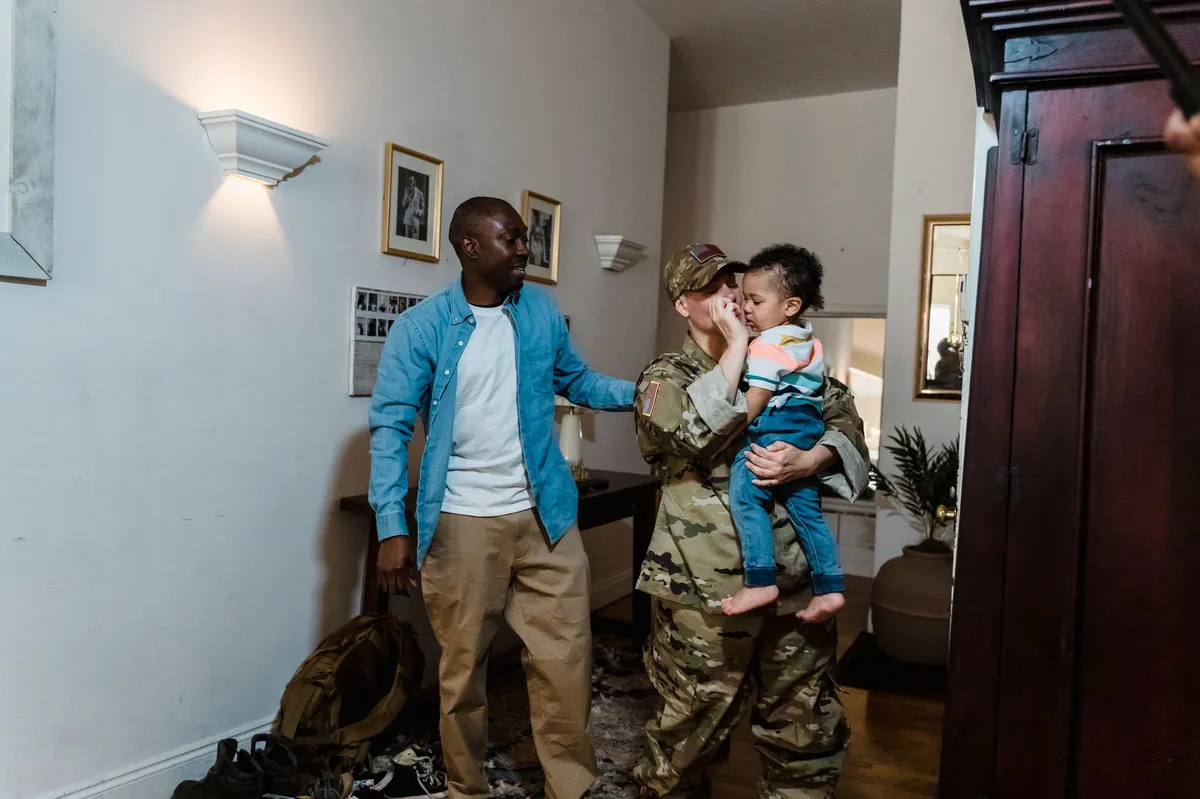
Understanding Military Exigency Leave
The term “military exigency” encompasses a variety of situations that necessitate leave for employees with relatives in active military service. Under Act 13, the definitions of exigencies mirror those established in the federal Family and Medical Leave Act (FMLA) but extend to a broader array of familial relationships. While the FMLA primarily covers parents, children, and spouses, the HFLL recognizes siblings, grandchildren, and reciprocal beneficiaries as well.
Examples of Qualifying Military Exigencies
- Short-notice deployment: Leave may be taken to address urgent needs arising from a family member’s deployment with less than 7 days' notice.
- Military events: Employees can take leave to attend official military ceremonies or events.
- Post-deployment activities: Leave is available for making arrangements for a family member’s return home.
- Care needs: If a family member requires care due to a serious health condition during their military service, leave can be taken.
The Employer's Responsibilities
For employers, understanding the requirements of Act 13 is crucial to ensure compliance and support for their workforce. Here are the essential responsibilities that businesses must fulfill:
- Advance notice: Employees must provide advance notice when requesting military exigency leave. This notice allows employers to plan accordingly.
- Documentation: Employers are required to obtain a copy of the official military orders from employees taking this type of leave to validate the request.
- Training and preparation: Human Resources (HR) staff and managers must be trained to recognize and effectively process these leave requests.
- Policy updates: Existing leave policies must be revised to incorporate the new qualifying reason for leave under the HFLL.

Compliance Challenges in a Changing Landscape
The enactment of Act 13 occurs during a broader trend of expanding leave laws across the United States. In 2026, states like Minnesota and Maine will introduce new paid family and medical leave programs that also include military exigency as a qualifying reason. Maryland is opening its private paid family leave market to insurers, complicating the compliance landscape for employers further.
According to the 2025 Disability and Leave Benchmarking Report by Marsh McLennan Agency, leave compliance across jurisdictions has been a top concern for employers for three consecutive years. The percentage of employers expressing concern rose from 39% in 2024 to 45% in 2025, highlighting the growing complexities in managing employee leave across state lines.
Navigating Multi-State Leave Obligations
For employers operating in multiple states, understanding how different leave laws interact is vital. The HFLL and the FMLA can run concurrently, meaning that eligible employees may use both leaves simultaneously. Brokers and compliance advisors must ensure their clients understand how these laws interact, as the landscape continues to evolve. A proactive approach to leave compliance can help businesses avoid penalties and maintain a supportive work environment.

The National Context: Future of Military Family Leave
On a federal level, changes are also brewing. The MIL FMLA Act introduced in Congress in May 2025 aims to enhance military family leave protections. This proposal seeks to eliminate the current limitation that exigencies only apply to foreign deployments, reflecting a shift towards more comprehensive support for military families. While the future of this legislation remains uncertain, its introduction indicates a growing recognition of the importance of providing adequate leave for employees with family in military service.
Key Takeaways
- Employers in Hawaii: Ensure your leave policies are updated to comply with Act 13.
- Prepare for new requirements: Train HR staff on processing military exigency leave requests.
- Stay informed: Monitor changes in leave laws at both state and federal levels to ensure compliance.
- Support your workforce: Acknowledge the needs of military families within your employee base.
Frequently Asked Questions
What is Act 13 and who does it affect?
Act 13 is a recent amendment to the Hawaii Family Leave Law that introduces qualifying military exigency as a reason for leave. It applies to employers with 100 or more employees and allows eligible workers to take up to four weeks of unpaid, job-protected leave for various military-related situations. This change significantly impacts businesses in Hawaii, particularly those with military personnel among their workforce.
How does military exigency leave differ from other types of leave?
Military exigency leave is specifically designed to address the unique needs of employees who have family members in active military service. It differs from other types of leave, such as parental leave or sick leave, in that it accounts for urgent situations arising from a family member’s deployment, including short-notice deployments, attending military events, and post-deployment care needs. This type of leave acknowledges the complexities faced by military families and provides them with necessary support.
What should employers do to comply with the new law?
Employers must take several steps to comply with Act 13. First, they should update their existing leave policies to include military exigency as a qualifying reason for leave. Secondly, they must train HR staff and management to recognize and process military leave requests properly. Lastly, employers should establish a protocol for obtaining documentation of military orders from employees requesting leave, ensuring that they can verify the legitimacy of the requests.
Will there be additional changes to leave laws in the future?
As the landscape of leave laws continues to evolve, employers can expect further changes at both the state and federal levels. The introduction of the MIL FMLA Act suggests that military family leave protections may expand in the future, particularly regarding domestic deployments. Keeping abreast of these changes is crucial for employers to ensure compliance and provide adequate support to their workforce, especially as they navigate the complexities of multi-state regulations.
Comments
AI Data Center Expansion Challenges Property and Casualty Insurers
The boom in AI data center construction is creating unprecedented challenges for property and casualty insurers. AIG's CEO discusses the implications for coverage, underwriting, and the future of insurance in this rapidly evolving landscape.

Related articles






Popular in Business Insurance
- Surging War-Risk Insurance Rates in the Strait of Hormuz: What It Means for Shipping
- Ross & Yerger Insurance Faces Class Action Over Data Breach Allegations
- Sompo Expands U.S. Workers' Compensation Portfolio with Service Insurance Acquisition
- Legal Battle Unfolds Over $1 Million Truck Crash Insurance Payout
- Howden Group's Ambitious Journey Toward IPO and Expansion