Understanding the Rising Costs of Lightning-Related Claims: Insights from Ohio's Grafton Incident
A recent lightning strike at Ohio's Grafton Reintegration Center injured 16 inmates, highlighting the growing liability and costs associated with lightning-related insurance claims. This article delves into the implications for insurance markets and public safety policies.
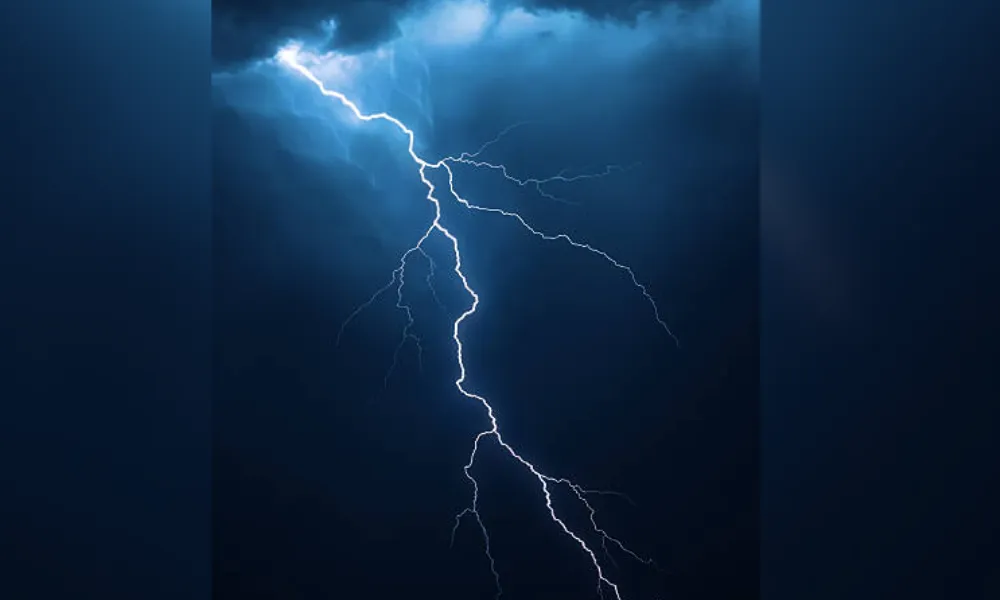
On a stormy evening in Ohio, a lightning strike at the Grafton Reintegration Center injured 16 incarcerated individuals as they moved between buildings after a meal. This unfortunate incident has not only raised concerns for the safety of inmates but has also brought to light the increasing costs associated with lightning-related insurance claims across the United States. With lightning often overshadowed by other weather-related perils such as floods and hurricanes, this event serves as a stark reminder that lightning poses significant liability risks, which are only intensifying in today's technologically advanced world.
According to the Insurance Information Institute, insurers paid an estimated $1.65 billion in lightning-related homeowners insurance claims in 2025—a staggering 59% increase from $1.04 billion in 2024. This dramatic rise in claims is primarily driven by a surge in the average cost of claims rather than an increase in the frequency of lightning strikes. As the nation grapples with the ramifications of this incident, the implications for insurance policies, public safety protocols, and liability claims are profound.
The Growing Financial Impact of Lightning Strikes
The escalating costs associated with lightning-related claims are alarming. The average cost per claim soared by 42.8% in just one year, climbing from $18,637 to $26,616. Since 2017, the average lightning claim has experienced a remarkable increase of 146.9%, indicating a pressing need for policyholders and insurers alike to reassess their understanding of lightning's impact. This trend highlights the growing value of electronics, smart-home systems, and other connected devices that can be severely damaged by a single lightning surge.
Why Are Costs Rising?
Several factors contribute to the rising costs of lightning-related claims:
- Increased Use of Technology: As more households invest in smart technologies, the potential for damage during a lightning event escalates. A lightning strike can not only damage appliances but also disrupt entire home automation systems.
- Broader Damage Scope: Claims related to lightning often extend beyond the immediate point of impact. Surge damage can affect wiring and electronics throughout a property, complicating the claims process.
- Higher Replacement Costs: With rising inflation and increased costs for materials and labor, the expenses related to repairing or replacing damaged items have surged.
Legal Implications for Public Entities
The incident at Grafton raises critical questions about legal liability, particularly for public entities like correctional facilities. In Ohio, the state has established a framework for handling tort claims against state agencies through its Court of Claims system. However, the specifics of each case can significantly influence the outcome.
Understanding Sovereign Immunity
Sovereign immunity generally protects government entities from lawsuits, but states can waive this immunity under certain conditions. Ohio's waiver allows for claims against state agencies, but it is not unlimited. The distinction between discretionary policy decisions and operational negligence is crucial. In this case, the decision by prison staff to allow inmates outside during a storm may be viewed as a discretionary choice, potentially shielding the state from liability. Conversely, if it is determined that there was a deviation from established safety protocols, the courts may find grounds for liability.
Judicial Precedents
Examining previous court rulings can provide insight into how similar cases might be handled. For instance, Texas courts have previously ruled that some aspects of prison management fall under protected discretionary judgment, while other cases have established liability when operational procedures are not followed. The Grafton incident could face similar scrutiny, depending on how the prison's severe weather protocols were documented and enacted.

Insurance and Claims Management Challenges
For insurers and claims adjusters, the complexities of lightning-related claims present a unique challenge. The Insurance Information Institute notes that often, claims resulting from lightning strikes are categorized under fire losses rather than lightning losses, which can obscure the true impact of lightning on overall insured losses.
Adjusters’ Responsibilities
Adjusters handling claims related to lightning events must be vigilant in identifying all potential damages caused by a strike. This includes looking beyond the visible impact to assess the extent of surge damage to electrical systems and devices. The recent incident in Ohio serves as a reminder for claims professionals to proactively evaluate the broader implications of lightning strikes on insured properties.
Guidance for Brokers and Public Entities
Brokers advising clients in sectors that cater to large groups, such as schools, hospitals, and correctional facilities, should encourage a comprehensive review of their severe weather policies. This review should include:
- Documentation of safety protocols and procedures for severe weather.
- Training for staff on how to implement these protocols in a timely manner.
- Regular updates to policies to reflect current best practices and lessons learned from incidents like Grafton.
Key Takeaways
- Lightning-related claims have surged to $1.65 billion in 2025, driven by rising average claim costs.
- Legal liability for incidents involving lightning strikes can vary significantly based on state laws and prior judicial decisions.
- Public entities must ensure their severe weather policies are well-documented and enforced to mitigate liability risks.
- Insurance professionals should carefully assess the full scope of damages in lightning-related claims, including secondary damage.
- Brokers should engage with clients regularly to review and update their risk management strategies regarding severe weather.
Frequently Asked Questions
How can lightning damage affect homeowners' insurance claims?
Lightning damage can have a significant impact on homeowners' insurance claims, as it often leads to both direct property damage and secondary damage to electronic devices. Homeowners may need to ensure their policies adequately cover not just physical damage but also the costs associated with replacing or repairing damaged electronics and smart systems. It's crucial for homeowners to communicate with their insurance agents about the extent of their coverage, particularly in areas prone to severe weather.
What should public entities do to prepare for severe weather incidents?
Public entities should establish clear and comprehensive severe weather policies that outline procedures for ensuring the safety of individuals in their care. Regular training sessions for staff should be conducted to ensure everyone understands their roles during severe weather events. Moreover, reviewing these policies in light of recent incidents can help identify potential gaps in safety protocols and improve response strategies.
How do courts determine liability in cases involving lightning strikes?
Court decisions regarding liability in lightning strike cases often hinge on the distinction between discretionary decisions and operational negligence. Courts will assess whether the actions taken by staff were in line with established protocols and whether those protocols were adequate for the situation. The outcomes can vary significantly based on the specifics of the case and the state’s legal framework.
Comments
Revolutionizing Earthquake Insurance: The First Parametric Payout in Peru
Liberty Mutual Re and Safehub have made history with the first sensor-triggered earthquake parametric payout in Peru, offering a new approach to disaster recovery. This innovative insurance model promises immediate liquidity, transforming how businesses cope with seismic risks.
Related articles





Popular in Business Insurance
- Surging War-Risk Insurance Rates in the Strait of Hormuz: What It Means for Shipping
- Ross & Yerger Insurance Faces Class Action Over Data Breach Allegations
- Sompo Expands U.S. Workers' Compensation Portfolio with Service Insurance Acquisition
- Legal Battle Unfolds Over $1 Million Truck Crash Insurance Payout
- Howden Group's Ambitious Journey Toward IPO and Expansion