Eighth Circuit Ruling: Berkley National's $2.5 Million Setback Against Broan-Nutone
In a recent decision, the Eighth Circuit Court upheld a ruling that prevents Berkley National Insurance from recovering $2.5 million from Broan-Nutone after a gas station fire. This case highlights complexities in product liability and subrogation claims.
The legal landscape surrounding insurance claims and product liability can be a labyrinthine affair, fraught with complex rules and regulations. A recent ruling by the Eighth Circuit Court illustrates just how challenging it can be for insurers to recoup losses from manufacturers, particularly when it comes to subrogation claims. In this case, Berkley National Insurance Company sought $2.5 million from Broan-Nutone following a devastating fire at a gas station, but the court's decision has significant implications for insurers and their strategies moving forward.
The incident that triggered this legal battle occurred on November 20, 2021, when a ceiling fan made by Broan-Nutone ignited a blaze in the restroom of a gas station owned by Lakes Community Cooperative. The fire resulted in a staggering $2,549,713.32 worth of damages, prompting Berkley to step in and pay the claim to its insured. However, the insurer then attempted to recover its costs by suing Broan-Nutone as a subrogee, a legal term that allows insurers to pursue third parties responsible for their insured's losses.
The Background of the Case
The central issue in this case revolved around Berkley National's assertion that the fire was caused by a manufacturing defect in the Broan ceiling fan. The insurer's expert witness reported that the ignition of the fire stemmed from heat generated within the motor winding of the fan. According to the expert, this excessive heat ignited nearby combustible materials, including electrical insulation and the buildup of dust and lint that had accumulated over time.
However, the expert’s testimony was not sufficient to establish liability against Broan-Nutone. The court emphasized that under Minnesota law, a claim of manufacturing defect necessitates clear evidence that the defect existed at the time the product left the manufacturer’s control. Given that the fan had been installed in the gas station restroom long before the Cooperative purchased the store in 2009, the court determined that more than a decade had passed, allowing ample opportunity for potential misuse or mishandling of the fan.
Understanding Manufacturing Defects vs. Design Defects
The court's ruling hinged not only on the timeline of the installation but also on the distinction between manufacturing defects and design defects. A manufacturing defect occurs when a product is improperly made, while a design defect exists when the product's design is inherently unsafe regardless of the manufacturing process. Berkley’s argument that the fan’s design allowed for dust accumulation was deemed irrelevant to their claim of a manufacturing defect.
While the expert noted that the fan motor was operating at an abnormally high temperature, he could not pinpoint a mechanical reason for the overheating. Moreover, he failed to provide admissible evidence comparing the damaged fan to an undamaged one, nor did he connect the alleged defect back to the manufacturing process. This lack of concrete evidence proved detrimental to Berkley’s case.
The Implications for Insurers and Subrogation Claims
This ruling serves as a stark reminder to insurers and subrogation teams about the challenges inherent in proving product liability claims. The court’s decision underscores the necessity for insurers to obtain robust evidence that ties any alleged defect directly to the manufacturer. In this case, the passage of time since the product's installation created a significant hurdle for Berkley.
Insurers must recognize that merely proving a product failed or caused damages is not enough; they need to demonstrate that the product was defective at the time it left the factory. This distinction is crucial in subrogation cases, where insurers seek to recover costs from third parties. The ruling suggests that insurers should invest in more thorough investigations and expert analyses to build a stronger case when pursuing such claims.
Legal Considerations and State Regulations
Legal frameworks governing insurance claims and product liability vary significantly across states. Minnesota law, for instance, requires that plaintiffs in manufacturing defect cases provide evidence of the defect's existence at the time of sale. This legal requirement can pose challenges, particularly in cases involving older products or installations. Insurers must navigate these regulations carefully, as the burden of proof often lies with them.
Furthermore, the nuances of product liability law highlight the importance of precise record-keeping and documentation in insurance claims. Insurers are encouraged to maintain detailed records of product inspections, maintenance history, and any previous complaints about a product's performance. Such documentation can prove invaluable in establishing a claim's validity.
Key Takeaways
- Understanding Defects: Distinguish between manufacturing and design defects when pursuing claims.
- Document Evidence: Insurers must gather robust evidence linking defects to the manufacturer.
- Time Factor: The age of a product can complicate liability claims.
- Legal Nuances: Be aware of state-specific laws governing product liability claims.
Frequently Asked Questions
What is subrogation in insurance terms?
Subrogation is a legal process that allows an insurance company to pursue a third party that caused an insurance loss to its insured. After an insurer pays out a claim, it can take legal action against the responsible party to recover the costs incurred. This process is essential for insurers as it helps mitigate losses and maintain competitive premiums for policyholders.
How can insurers strengthen their subrogation claims?
To bolster subrogation claims, insurers should ensure comprehensive investigations are conducted to gather evidence linking a product's failure directly to a defect at the time of manufacture. This includes collecting expert testimonies, maintaining meticulous records, and aligning their claims with applicable state laws. Insurers should also train their teams on the nuances of product liability to enhance their ability to navigate complex cases effectively.
What are the common challenges in pursuing product liability claims?
Common challenges in product liability claims include proving the defect existed at the time of sale, dealing with the complexities of distinguishing between manufacturing and design defects, and addressing the passage of time that may complicate evidence. Additionally, insurers often face difficulties in obtaining sufficient expert testimony to support their claims, especially in cases involving older products or installations.
Why is documentation important in insurance claims?
Documentation plays a critical role in insurance claims as it provides evidence that can substantiate a claim's validity. Insurers should maintain comprehensive records of product inspections, maintenance activities, and previous customer complaints. This information not only aids in building a strong case during subrogation but also helps insurers assess risks and improve their underwriting practices.
Comments
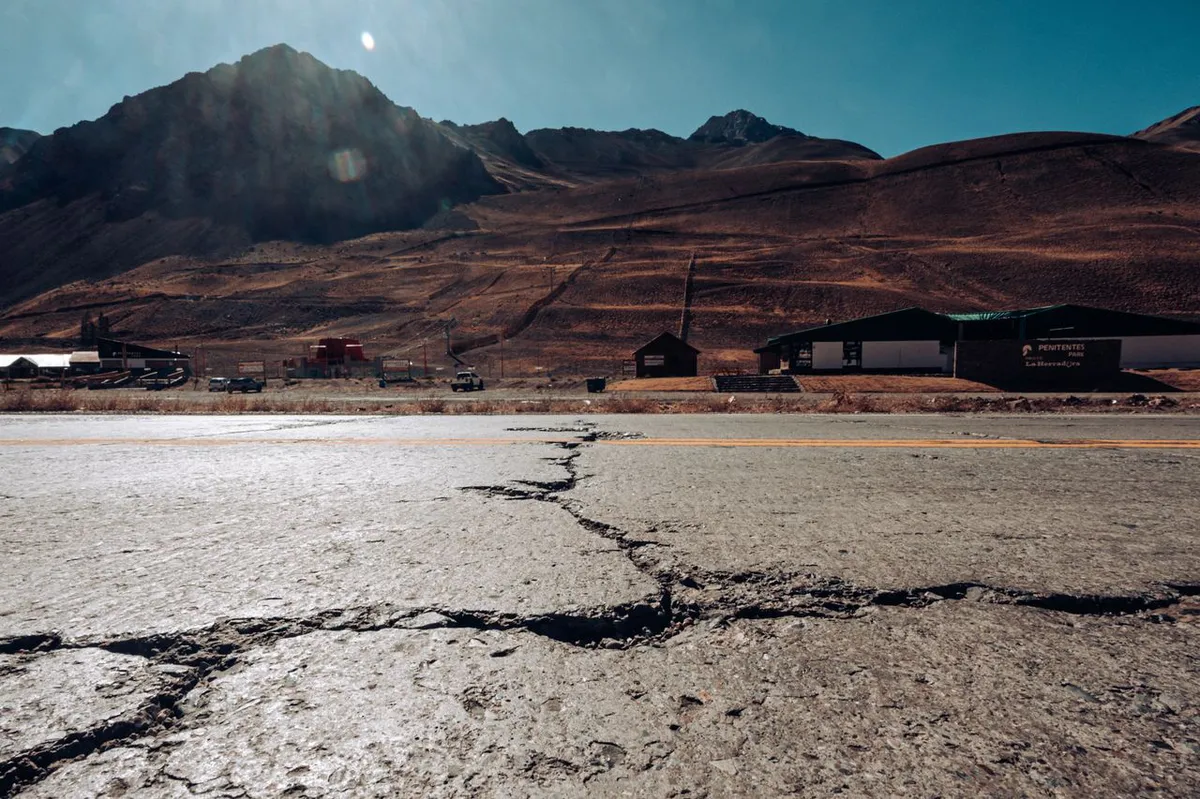
Revolutionizing Earthquake Insurance: The First Parametric Payout in Peru
Liberty Mutual Re and Safehub have made history with the first sensor-triggered earthquake parametric payout in Peru, offering a new approach to disaster recovery. This innovative insurance model promises immediate liquidity, transforming how businesses cope with seismic risks.
Related articles




Popular in Business Insurance
- Surging War-Risk Insurance Rates in the Strait of Hormuz: What It Means for Shipping
- Ross & Yerger Insurance Faces Class Action Over Data Breach Allegations
- Sompo Expands U.S. Workers' Compensation Portfolio with Service Insurance Acquisition
- Legal Battle Unfolds Over $1 Million Truck Crash Insurance Payout
- Howden Group's Ambitious Journey Toward IPO and Expansion