Navigating Shifts in Property Insurance: Insights from Brown & Riding's New Hire
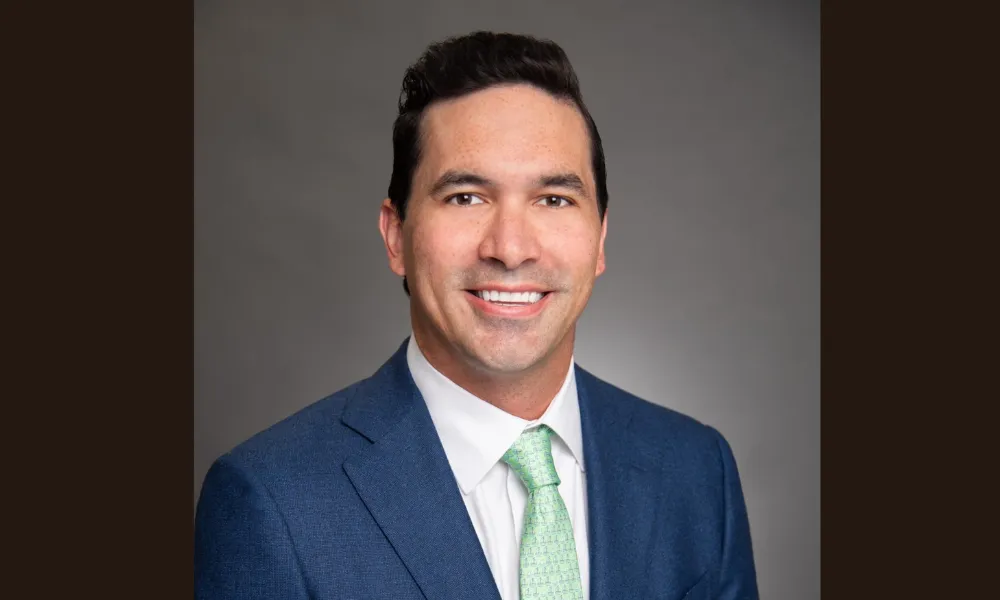
In a pivotal moment for the property insurance market, Brown & Riding strengthens its National Property Practice by hiring Omar Hasan. With a focus on catastrophe-exposed property programs, this move comes as rates shift dramatically, impacting brokers and clients alike.
The property insurance landscape is undergoing significant transformation, marked by shifting rates and evolving client needs. In this dynamic environment, Brown & Riding, a leading wholesale broker, has strengthened its National Property Practice by bringing on board Omar Hasan, a seasoned expert with nearly two decades of experience in catastrophe-exposed and layered property programs. This strategic hire comes at a crucial time when the market is seeing substantial changes that affect how risk is assessed and managed.
With a background that encompasses builders risk, commercial real estate, gaming, habitational, hospitality, industrial, and retail risk, Hasan’s expertise aligns perfectly with the evolving demands of the property market. As rates for catastrophe-exposed properties have decreased sharply, understanding the nuances of these changes is essential for brokers who aim to deliver value to their clients.
The Current Market Landscape
The property insurance market is currently navigating a rate shift that has seen catastrophe-exposed property rates drop between 15% and 20% in 2025, with expectations of an additional 10% reduction this year, according to data from RPS. Layered and shared placements, in particular, are experiencing the most significant relief, with reductions ranging from 10% to 30% at renewal, as reported in USI's 2026 outlook. This trend marks a departure from the previous years of rising premiums, offering a glimpse of hope for policyholders facing escalating costs.
However, capitalizing on these reduced rates is not straightforward. Brokers must possess the expertise to restructure insurance towers across multiple carriers rather than simply renewing existing agreements. This is where Hasan's skills become invaluable, as his collaborative approach and strong relationships within the industry position him as a trusted partner for clients seeking tailored solutions.

The Role of Specialists in the Evolving Market
The distinction between specialist and generalist brokers has become increasingly pronounced across the wholesale market. According to Fitch Ratings, U.S. excess and surplus (E&S) insurers have reported double-digit direct written premium growth for seven consecutive years. This growth occurs even as approximately 91% of insurers have integrated some form of Artificial Intelligence (AI) into their operations. While AI streamlines routine underwriting tasks, the true value of a broker lies in their ability to navigate unusual and hard-to-place risks—areas where human judgment remains paramount.
Recent data from the Ivans Index reveals a more nuanced picture of commercial property renewal rates. In July, these rates eased to 6.16%, down from 6.24% in June, continuing a trend of retreat from the 8.01% average recorded in the fourth quarter of the previous year. Although rates remain positive, the narrowing margins mean that the expertise required to identify profitable opportunities is becoming increasingly valuable. This is especially true in sectors such as habitational and hospitality insurance, where brokers must simultaneously interpret opposing market conditions.

Challenges in Habitational and Hospitality Insurance
As the property insurance market evolves, brokers face unique challenges in habitational and hospitality sectors. According to reports from Lockton, capacity for habitational properties has become increasingly abundant, with wood-frame rates falling between 5% and 15% at renewal. Conversely, the hospitality sector is only beginning to stabilize, with underwriters still grappling with issues such as sexual misconduct liability and crime scores associated with hotel properties.
These divergent trends underscore the necessity for a nuanced approach in discussions with clients. Treating habitational and hospitality properties as a single conversation risks missing critical leverage points unique to each sector. For example, while a broker might negotiate favorable terms for a habitational property, the same strategy might not apply to a hospitality property facing different underwriting challenges.

Brown & Riding's Unique Position
Brown & Riding distinguishes itself as the only fully independent, employee-owned wholesale broker consistently ranked among the top national property and casualty wholesalers by premium volume. This independence allows the firm to prioritize specialization over scale, which is crucial in a competitive market where expertise can drive superior outcomes for clients.
With the addition of Hasan, who brings a wealth of knowledge in layered catastrophe programs and expertise in bifurcated market lines, Brown & Riding is well-positioned to navigate the complexities of the current property insurance landscape. The firm’s commitment to fostering relationships and delivering innovative solutions is a testament to its strategy of leveraging specialist knowledge to outperform the market.
Key Takeaways
- Omar Hasan joins Brown & Riding as a key player in the National Property Practice, enhancing the firm's capabilities.
- Catastrophe-exposed property rates have decreased significantly, presenting opportunities for brokers to secure better terms for clients.
- The distinction between specialist and generalist brokers is more critical than ever, especially as AI reshapes underwriting processes.
- Understanding the unique challenges in habitational and hospitality markets is essential for effective risk management.
- Brown & Riding’s independence and focus on specialization enable it to navigate market complexities effectively.
Frequently Asked Questions
What does it mean for property rates to decrease significantly?
The decrease in property rates, particularly for catastrophe-exposed properties, indicates a shift in the market dynamics. Lower rates can provide significant savings for policyholders and create opportunities for brokers to negotiate better coverage terms. This reduction often results from increased competition among insurers, improved underwriting results, and an overall decrease in claims frequency. Brokers must remain vigilant to maximize these opportunities for their clients while ensuring that coverage remains robust.
How does AI impact the role of insurance brokers?
AI has transformed the underwriting landscape by automating routine tasks, enabling insurers to process applications and assess risks more efficiently. However, this technological shift has elevated the importance of brokers who can navigate complex and unconventional risks. Clients are increasingly seeking brokers who can apply their judgment and expertise to negotiate favorable terms in situations where AI may fall short. As a result, the role of the broker is evolving to focus more on strategic advice and personalized service.
What should clients consider when choosing a broker?
Clients should prioritize finding a broker with specialized knowledge in their specific industry and risk exposures. The ability to understand and navigate unique challenges—such as those present in habitational or hospitality insurance—can make a significant difference in the quality of coverage and terms negotiated. Additionally, clients should seek brokers who demonstrate strong relationships with underwriters and a proven track record of securing favorable outcomes in a competitive market.
How can Brown & Riding's independence benefit clients?
Brown & Riding’s independent status allows it to prioritize the needs of its clients over corporate interests. This model fosters a culture of collaboration and innovation, enabling the firm to offer tailored solutions that meet the specific requirements of each client. Clients benefit from a broker that is not beholden to a parent company’s agenda, ensuring that their best interests remain at the forefront of every negotiation and coverage strategy.
Comments
Australia's New Standards for Gig Delivery Workers: A Blueprint for Change
Australia has implemented groundbreaking minimum pay and insurance standards for gig delivery workers, setting a precedent that could reshape the gig economy globally.

Related articles





Popular in Business Insurance
- Surging War-Risk Insurance Rates in the Strait of Hormuz: What It Means for Shipping
- Ross & Yerger Insurance Faces Class Action Over Data Breach Allegations
- Sompo Expands U.S. Workers' Compensation Portfolio with Service Insurance Acquisition
- Legal Battle Unfolds Over $1 Million Truck Crash Insurance Payout
- Howden Group's Ambitious Journey Toward IPO and Expansion