Navigating the Shifting Landscape of Insurance Agency Acquisitions
The recent sale of Hocker Family Insurance highlights the evolving dynamics in the insurance agency acquisition market, revealing both challenges and opportunities for sellers.

The insurance industry is undergoing significant transformations, particularly in the realm of agency acquisitions. The recent sale of Hocker Family Insurance, a family-run agency with a legacy dating back to 1926, serves as a pivotal case study in understanding the current market dynamics. Despite a noticeable decline in the number of active buyers and overall transaction volume, acquisition prices are holding firm, defying typical market trends. This situation not only reflects the intricacies of the insurance market but also offers valuable insights for agency owners contemplating the future of their businesses.
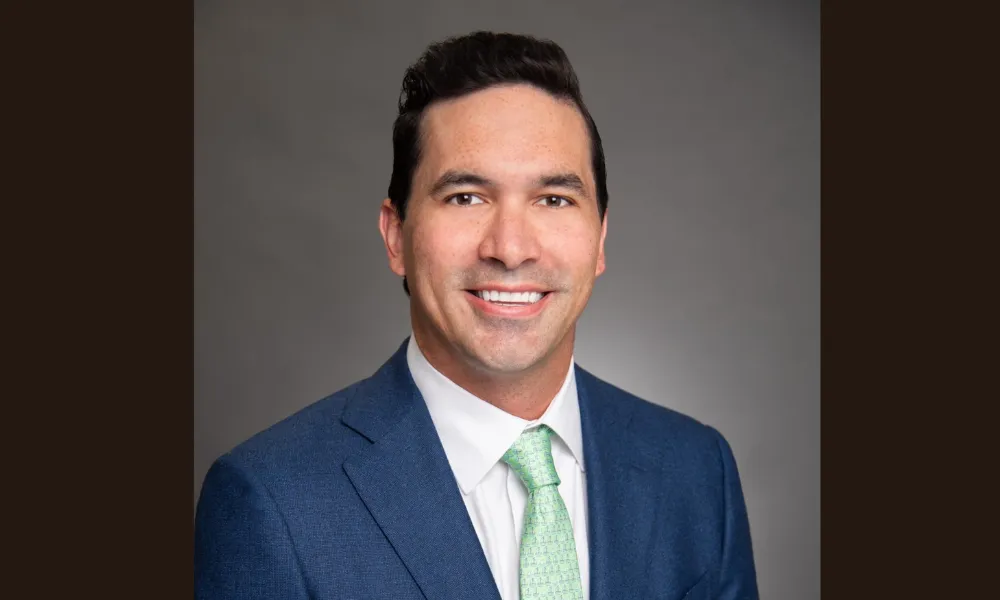
As Cole Tynes, the owner of Hocker Family Insurance, navigated the sale of his agency, he prioritized ensuring the well-being of employees, maintaining community ties, and preserving customer service standards. His decision to sell was influenced by the need for greater resources and a robust succession plan—an increasingly common motivation as many agency owners face the reality of aging leadership and the challenge of finding suitable internal successors.
Market Trends: Acquisition Prices and Deal Volumes
According to data from MarshBerry, the landscape of insurance agency acquisitions is revealing some intriguing trends. Agencies with an adjusted EBITDA (Earnings Before Interest, Taxes, Depreciation, and Amortization) of $1 million or more are currently seeing an average acquisition multiple of **11.8x**. In contrast, smaller brokerages with revenues between $2 million to $10 million and adjusted EBITDA of $750,000 to $2 million have been transacting at multiples ranging from **7x to 9x**. This disparity highlights the premium that well-established agencies command, particularly in a market where the number of active buyers has decreased.
Despite a decline in overall transaction volume—North American agency deal activity has dipped to its lowest levels since 2016, with only **292 acquisitions** recorded through June 2026—the prices for completed deals remain robust. In fact, the total volume of acquisitions in 2025 was down **12%** compared to 2024, marking the third consecutive year of decline. Yet, in a market where fewer deals are being made, those that do occur tend not to be discounted, which is contrary to what one might expect in a cooling environment.

The Impact of Market Consolidation
The current state of the insurance acquisition market can be largely attributed to the consolidation of well-funded buyers. Private capital-backed firms and hybrid buyers are increasingly dominating the landscape. Recent reports indicate that around **70% to 72%** of announced deals in the first half of 2026 were attributed to these types of buyers. This consolidation means that agency owners contemplating a sale are often negotiating with a limited pool of serious, well-capitalized buyers, which can significantly influence their deal terms.
The rise of firms like Inszone Insurance Services, which has completed **137 acquisitions** since its founding in 2002, exemplifies this trend. Inszone was among the top three active broker buyers in the U.S. in 2025, along with BroadStreet Partners and World Insurance Associates, collectively accounting for nearly **19.4%** of all broker M&A transactions recorded that year. As these firms continue to grow through strategic acquisitions, they are reshaping the competitive landscape and the opportunities available for sellers.
The Hocker Family Insurance Acquisition: A Case Study
Hocker Family Insurance's recent acquisition by Inszone is a compelling illustration of these dynamics in action. Founded by Leland O. Hocker in 1926, the agency has been family-operated for four generations, providing personal, commercial, life, and health insurance across Kentucky. As Tynes approached the sale, he articulated a clear set of conditions that he wanted to see met: the protection of his employees, the preservation of local community ties, and the continuation of the personalized service that clients had come to expect.
These priorities resonate with many agency owners who are contemplating similar transitions. Tynes noted that Inszone was the only organization he encountered that aligned with his vision for the future of Hocker Family Insurance. This sentiment mirrors a wider trend in the market, where sellers are increasingly seeking buyers who can ensure continuity and care in agency operations.

Maintaining Community Ties and Client Relationships
Inszone's commitment to maintaining the local presence of Hocker Family Insurance is a key aspect of the deal. Under the acquisition agreement, clients will continue to work with the same local team, which provides a sense of stability during a transitional period. Additionally, the agency will gain access to Inszone's extensive carrier relationships, advanced technology, and back-office resources, enhancing its operational capabilities while preserving its legacy.
The approach taken by Inszone in this acquisition underscores an important consideration for agency owners: when negotiating a sale, it’s critical to assess the cultural fit and operational philosophy of potential buyers. A buyer that aligns with the agency's values and community focus can help ensure that the transition is smooth for both employees and clients, which is paramount for long-term success.

The Future of Agency Sales: Strategic Decision-Making
For many insurance agency owners, the decision to sell is not just a financial transaction; it encompasses a multitude of personal and professional considerations. As the market continues to evolve, those contemplating a sale must weigh their options carefully. Factors such as the agency’s market position, the competitive landscape, and the changing dynamics of prospective buyers should all inform their decision-making process.
- Understand Market Conditions: Familiarize yourself with current acquisition multiples and trends to set realistic expectations.
- Assess Buyer Compatibility: Evaluate potential buyers for their alignment with your agency’s values and customer service philosophy.
- Prioritize Employee and Client Welfare: Ensure any deal structure maintains care for employees and clients, preserving the agency’s legacy.
As the insurance acquisition market continues to shift, agency owners must remain proactive in their planning and strategy. With the right approach, selling an agency can be a rewarding conclusion to a long-standing commitment while ensuring its legacy lives on.
Key Takeaways
- Despite a decline in deal volume, insurance agency acquisition prices remain strong.
- Private capital-backed firms are increasingly dominating the acquisition landscape.
- Agency owners should prioritize buyer compatibility and community ties when considering a sale.
- Understanding current market conditions can help owners set realistic expectations for their business sale.
Frequently Asked Questions
What factors should I consider when selling my insurance agency?
When contemplating the sale of your insurance agency, it's essential to evaluate several factors. First, assess your agency’s financial health and market position to determine an appropriate valuation. Next, consider the motivations and values of potential buyers, ensuring they align with your agency's legacy and community ties. Additionally, think about the impact on your employees and clients; selecting a buyer who prioritizes these relationships can lead to a smoother transition and uphold the agency’s reputation.
How can I prepare my agency for sale?
Preparation is critical when selling an insurance agency. Begin by conducting an internal audit of your financials, operations, and client relationships to identify strengths and areas for improvement. Additionally, consider engaging a business broker or valuation expert to help establish a fair market price and develop a strategic marketing plan for the sale. Having a detailed succession plan can also enhance your agency's attractiveness to potential buyers, showcasing your commitment to continuity and stability.
What should I expect during the acquisition process?
The acquisition process can be complex and time-consuming. Initially, you will engage in discussions with potential buyers, which may include negotiations around price and terms. Due diligence follows, where the buyer will thoroughly assess your business finances, operations, and client relationships. It's also common to draft a letter of intent outlining the proposed terms. Once an agreement is reached, the final steps involve legal documentation and the transition plan for your agency.
Comments
Australia's New Standards for Gig Delivery Workers: A Blueprint for Change
Australia has implemented groundbreaking minimum pay and insurance standards for gig delivery workers, setting a precedent that could reshape the gig economy globally.

Related articles






Popular in Business Insurance
- Surging War-Risk Insurance Rates in the Strait of Hormuz: What It Means for Shipping
- Ross & Yerger Insurance Faces Class Action Over Data Breach Allegations
- Sompo Expands U.S. Workers' Compensation Portfolio with Service Insurance Acquisition
- Legal Battle Unfolds Over $1 Million Truck Crash Insurance Payout
- Howden Group's Ambitious Journey Toward IPO and Expansion