Britain's 2030 Zero-Emission Vehicle Targets Under Review: Implications and Insights
Britain is reevaluating its ambitious 2030 zero-emission vehicle targets due to supply chain disruptions and changing consumer demand. This article explores the potential impacts on the automotive industry and the environment.

As the world pivots towards more sustainable transportation solutions, the United Kingdom finds itself at a crossroads regarding its ambitious zero-emission vehicle (ZEV) targets. Announced on August 17, 2026, the British government is launching a comprehensive review of its existing mandates that require a gradual phase-out of new petrol and diesel vehicles. These targets were initially set to ensure that electric vehicles (EVs) account for a significant portion of new car sales, with expectations of 33% by 2026, rising to 80% by 2030 and culminating in a complete transition by 2035. However, challenges such as supply chain disruptions and a lack of consumer confidence are prompting policymakers to reconsider these goals.
The proposed review marks a significant shift in the UK government's approach to electric vehicle adoption, reflecting a broader global trend where economic realities are influencing environmental policies. The automotive industry, which has been facing hurdles from rising energy costs and an incomplete charging infrastructure, is under pressure to adapt to these evolving targets. This article delves into the implications of this review, the response from key stakeholders, and what it could mean for consumers and manufacturers alike.
Understanding the Current Zero-Emission Vehicle Mandates
In 2024, the UK government introduced a legislative framework aimed at bolstering the adoption of zero-emission vehicles. This mandate was designed to phase out the sale of new petrol and diesel cars by establishing a clear trajectory for EV sales. The targets were ambitious, intending to push manufacturers to innovate and scale production of electric vehicles swiftly. The timeline stipulates that by 2030, at least 80% of new car sales must be electric, reaching 100% by 2035.
While this policy has been lauded for its environmental foresight, it has also been met with criticism from automotive manufacturers who argue that various external factors complicate compliance. The Society of Motor Manufacturers and Traders (SMMT), the industry’s trade body, has called for a reassessment of the entire framework, citing issues such as:
- High energy prices impacting production costs.
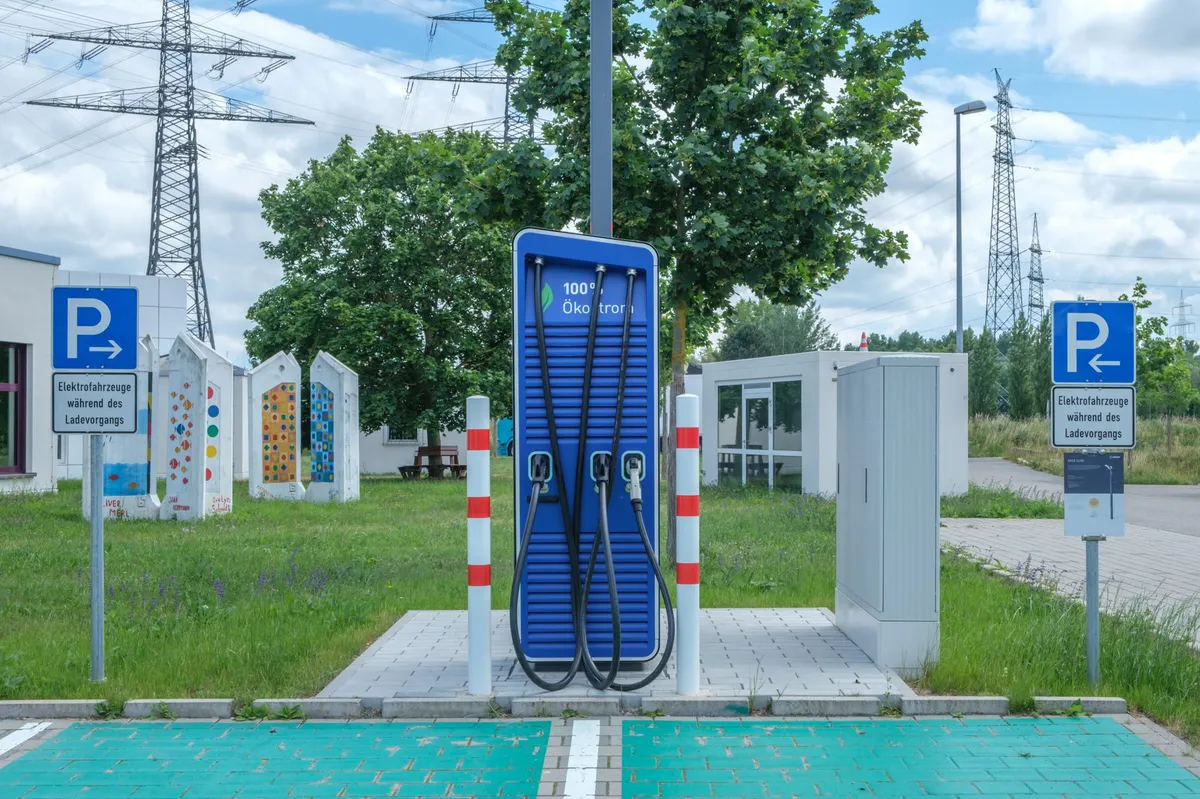
- Inadequate charging infrastructure that limits consumer access to EVs.
- Weak consumer confidence in the electric vehicle market.

The Government’s Reevaluation and Its Rationale
The current review, initiated on August 17, offers four potential pathways for the UK’s ZEV targets. Three of these options propose maintaining the 2035 endpoint while adjusting the 2030 target down to as low as 50%. The fourth option retains the original timeline but introduces more flexibility in how manufacturers can comply, potentially easing the burden on carmakers struggling to meet rising expectations.
According to a statement from the Department for Transport, this reevaluation is driven by the need for a policy framework that is both realistic and conducive to business growth. It acknowledges the “challenging and complex global economic conditions,” reflecting a pragmatic approach to balancing environmental goals with economic realities.
Challenges Facing Electric Vehicle Adoption
Despite the ambitious targets, the transition to electric vehicles has not been without its challenges. Some of the primary obstacles include:
- Supply Chain Disruptions: Ongoing global supply chain issues have affected the availability of critical components, such as semiconductors and batteries, which are essential for electric vehicle production.
- Consumer Demand: Although there is a growing interest in electric vehicles, actual sales have been tempered by high prices and concerns about the availability of charging stations.
- Infrastructure Investment: The rollout of necessary charging infrastructure has not kept pace with the rising demand for electric vehicles, leading to accessibility issues for potential buyers.
Impacts on the Automotive Industry
If the government decides to ease the targets, the implications for the automotive industry could be significant. For manufacturers, a relaxed timeline may provide the necessary breathing room to address current supply chain issues while ramping up production capabilities. However, this could also lead to a slower transition to electric vehicles, potentially undermining the UK’s long-term environmental goals.
Furthermore, manufacturers may face mixed reactions from the market. While some may welcome the increased flexibility, others may see it as a retreat from ambitious environmental commitments. This duality could result in a fragmented approach to EV adoption, where some manufacturers aggressively pursue electrification, while others may hold back in response to relaxed targets.
Consumer Considerations
For consumers, the prospect of adjusted targets could have varying implications. A more gradual approach to electrification might allow for more affordable electric vehicles to enter the market as manufacturers have additional time to innovate and scale production. On the other hand, it could also mean prolonged reliance on fossil fuel-powered vehicles, delaying the environmental benefits associated with the transition to electric mobility.
Moreover, consumer confidence plays a crucial role in the success of electric vehicle adoption. If consumers perceive that the government is wavering on its commitments to sustainability, it could dampen enthusiasm for electric vehicles, particularly in a market where affordability and accessibility are significant concerns.
Looking Ahead: What to Expect
The outcome of the UK government’s review could have far-reaching implications not only for the automotive industry in Britain but also for global environmental initiatives. As countries worldwide strive to meet ambitious climate targets, the UK’s approach to electric vehicles will serve as a case study for balancing economic realities with environmental imperatives.
With battery electric vehicles (BEVs) currently accounting for approximately 27.4% of new car registrations as of July 2026, recent data indicates that sales are trending positively, even with existing flexibilities factored in. This suggests that while the targets may be under review, the market is already responding to the push for electrification.
Key Industry Stakeholders
Key stakeholders in this conversation include:
- The UK government, which must balance public opinion and environmental commitments.
- Automotive manufacturers, who are navigating supply chain challenges and consumer demand.
- Environmental groups advocating for strict adherence to sustainability goals.
- Consumers, who are increasingly concerned about both affordability and environmental impact.
Key Takeaways
- The UK is reviewing its 2030 zero-emission vehicle targets due to economic challenges.
- Manufacturers are seeking more flexibility to meet existing targets amidst supply chain disruptions.
- Current electric vehicle registrations are trending positively, indicating potential market resilience.
- The outcome of the review could influence global perceptions of electric vehicle policies.
- Consumer confidence remains critical for the success of the EV transition.
Frequently Asked Questions
What are the current ZEV targets in the UK?
The current targets stipulate that 33% of new car sales must be zero-emission vehicles by 2026, rising to 80% by 2030, and achieving a full transition to 100% by 2035. These ambitious goals aim to phase out petrol and diesel vehicles in favor of cleaner alternatives.
Why is the UK government reconsidering its ZEV targets?
The UK government is reevaluating these targets due to various challenges, including supply chain disruptions, high energy prices, and insufficient consumer demand. Stakeholders from the automotive industry have voiced concerns that the current targets may be unrealistic in light of these factors, prompting a comprehensive review.
How does consumer confidence impact electric vehicle sales?
Consumer confidence is pivotal to the success of electric vehicle sales, as it influences purchasing decisions. If consumers feel uncertain about the availability of charging infrastructure or perceive a lack of commitment from the government towards sustainability, they may hesitate to invest in electric vehicles. Therefore, maintaining consumer confidence is critical for accelerating the transition to electric mobility.
What could the potential outcomes of the review mean for the environment?
The outcomes of the review may significantly impact environmental efforts in the UK. If the targets are relaxed, it could slow the transition to electric vehicles, possibly delaying the reduction of greenhouse gas emissions associated with fossil fuel vehicles. Conversely, a steadfast commitment to the original targets could enhance the UK’s role as a leader in sustainable transportation, driving innovation and investment in cleaner technologies.
Comments
Australia's New Standards for Gig Delivery Workers: A Blueprint for Change
Australia has implemented groundbreaking minimum pay and insurance standards for gig delivery workers, setting a precedent that could reshape the gig economy globally.

Related articles







Popular in Business Insurance
- Surging War-Risk Insurance Rates in the Strait of Hormuz: What It Means for Shipping
- Ross & Yerger Insurance Faces Class Action Over Data Breach Allegations
- Sompo Expands U.S. Workers' Compensation Portfolio with Service Insurance Acquisition
- Legal Battle Unfolds Over $1 Million Truck Crash Insurance Payout
- Howden Group's Ambitious Journey Toward IPO and Expansion