Tragedy at Maine Lumber Mill: Firefighting Tactics Linked to Explosion
A recent investigation reveals that firefighting tactics employed during a blaze at a Maine lumber mill inadvertently contributed to a deadly explosion that claimed three lives. The incident highlights the dangers of improper emergency response protocols and the need for improved training in handling silo fires.
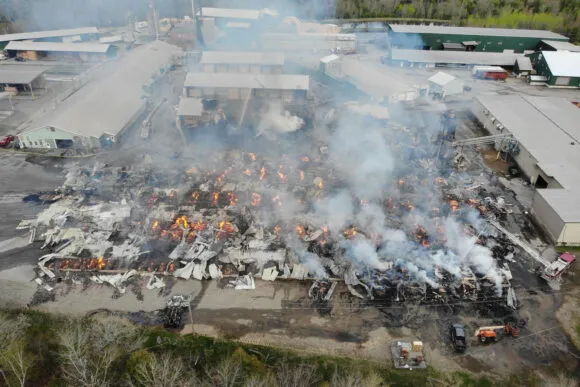
The small town of Searsmont, Maine, was the site of a devastating explosion on May 15, 2026, that resulted in three fatalities and numerous injuries. Investigators have concluded that the firefighting tactics utilized during an emergency response to a fire at the Robbins Lumber mill inadvertently exacerbated the situation, leading to a catastrophic blast. This incident not only underscores the inherent dangers firefighters face but also brings to light critical issues related to emergency protocols in industrial settings.
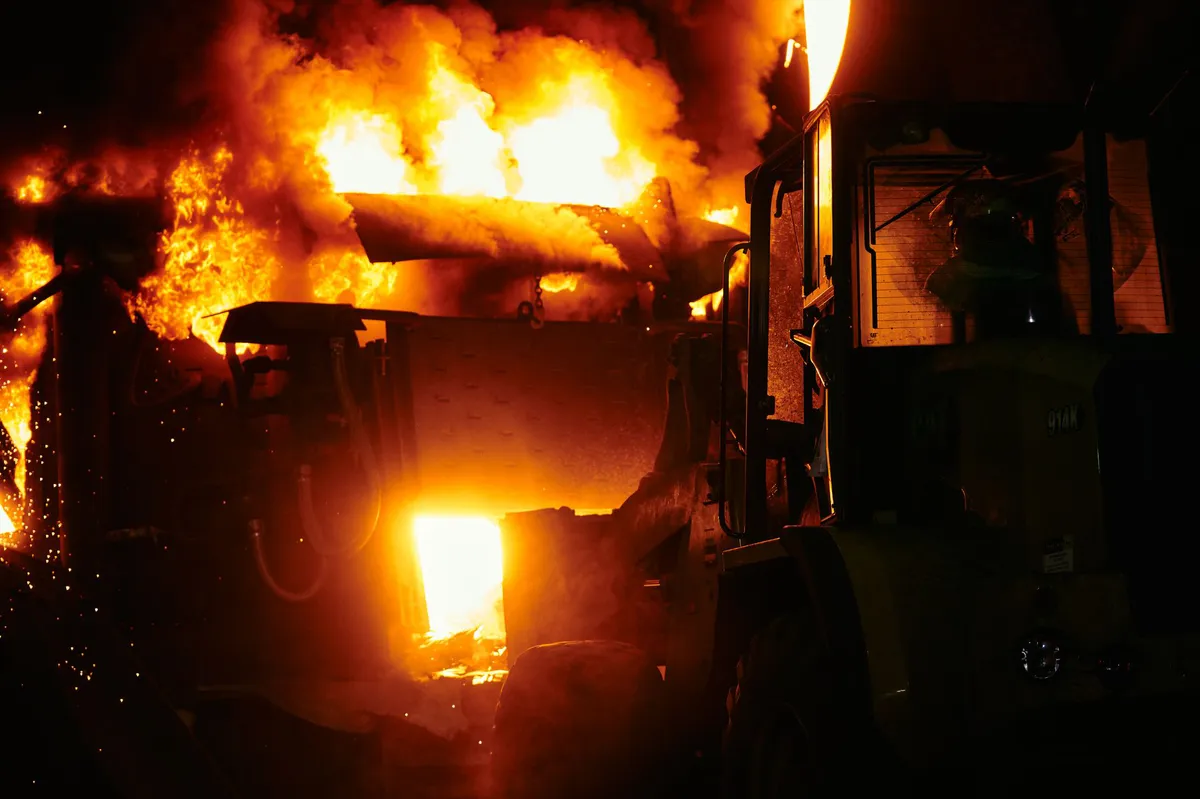
The explosion, which sent the silo soaring into the air and engulfed the surrounding area in flames, has raised significant concerns about the safety measures and training provided to fire departments dealing with silo fires. According to a report from the National Institute for Occupational Safety and Health (NIOSH), the firefighters were unaware that injecting water into the silo, which contained combustible materials, was a dangerous tactic. The silo's design, categorized as oxygen-limiting, posed unique risks that were not adequately communicated to the response teams.
The Silo Hazard: Understanding Oxygen-Limiting Structures
Oxygen-limiting silos are specially designed to minimize the amount of oxygen within their confines, thereby slowing down the combustion process during typical operations. However, this design can create a dangerous environment when a fire breaks out. When water or foam is introduced, it can inadvertently force air into the silo, leading to a dangerous buildup of combustible gases. This phenomenon was not fully understood by the firefighters on the scene, resulting in a tragic explosion.
Key Findings from the NIOSH Report
- The report emphasized that firefighters should never direct water or foam into oxygen-limiting silos.
- The introduction of water likely stirred up dust and created an explosive concentration of combustible materials.
- Increased training on the specific hazards associated with different silo types is crucial for fire departments.
The Human Toll: Lives Lost and Community Impact
The explosion claimed the lives of three individuals: Wayne Woodbury, the assistant fire chief of Searsmont Fire & Rescue, Andrew Cross of the Morrill Volunteer Fire Department, and Alden Robbins, a co-owner of the mill who succumbed to his injuries weeks later. In addition to the fatalities, at least 13 other people were injured during the explosion, highlighting the profound impact of this incident on the local community.
Robbins Lumber, a historic manufacturer that dates back to the 19th century, expressed its commitment to learning from this tragedy. The company stated, "Our objective is not simply to meet current industry standards, but to exceed them." This sentiment reflects a growing awareness within the industry regarding the necessity of prioritizing safety and implementing more effective training programs for emergency responders.
The Response: Firefighters and Community Resilience
In the immediate aftermath of the explosion, a significant response was initiated, involving 299 firefighters from 46 different departments across a four-county area. The collaborative effort showcased the community's resilience and the dedication of emergency personnel to protect lives and property. However, the incident also raises questions about the adequacy of current training protocols for firefighters dealing with hazardous situations, particularly in industrial settings.
Lessons Learned and Future Considerations
The NIOSH report offers critical recommendations aimed at preventing similar incidents in the future. Fire departments are urged to:
- Enhance training programs focused on the specific hazards associated with silo fires.
- Develop standardized protocols for responding to fires in oxygen-limiting structures.
- Collaborate with manufacturers to ensure that safety information is readily available and understood.
Industry Standards and Regulatory Oversight
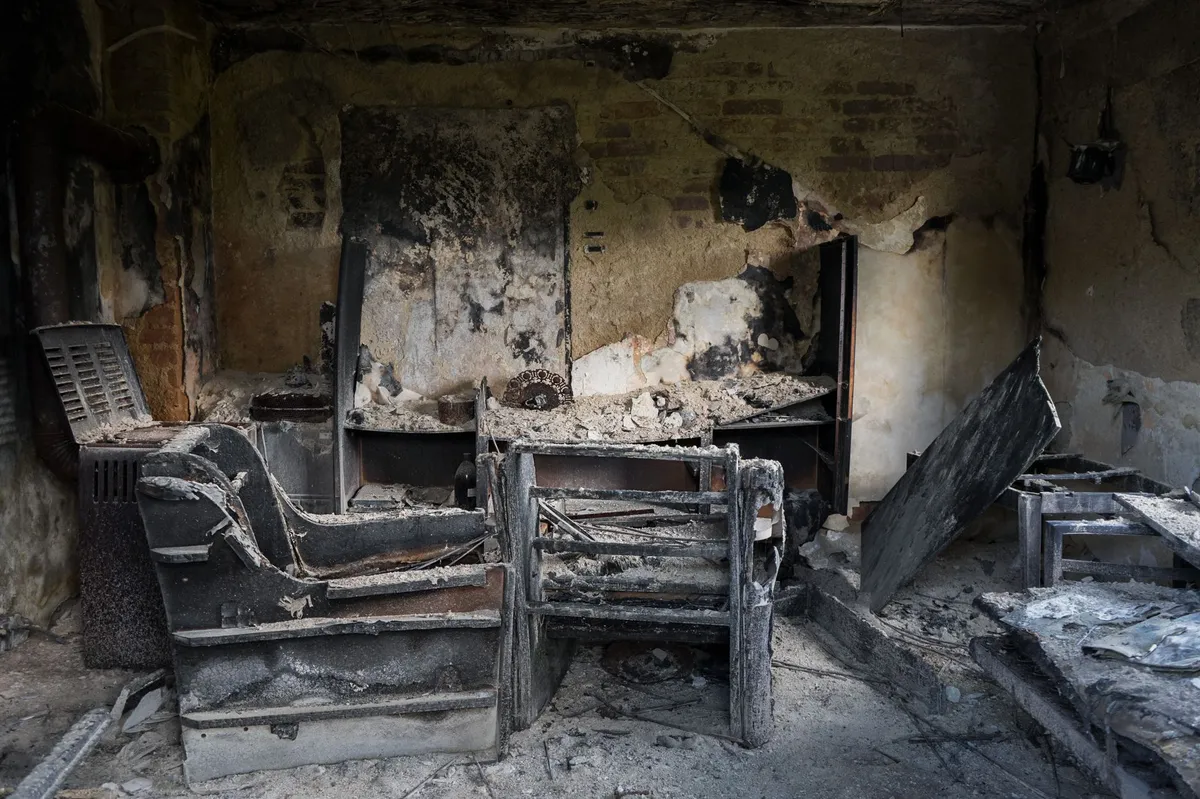
This tragic event also highlights the broader implications for industry standards and regulatory oversight within the firefighting community. While the National Fire Protection Association (NFPA) has encouraged participation in ongoing safety investigations, the lack of specific comments on this incident underscores the need for a more proactive approach to fire safety regulations in industrial settings.
The Maine Department of Public Safety has stated that investigations into the explosion are ongoing, emphasizing the importance of allowing the facts to guide any conclusions. The call for thorough investigations and a focus on learning from such incidents is crucial to prevent future tragedies.
Key Takeaways
- Firefighting tactics used in the Searsmont explosion contributed to the incident.
- Training on hazards associated with oxygen-limiting silos is essential.
- The incident underscores the need for improved safety protocols in industrial firefighting.
- Community resilience is highlighted through the response efforts of local firefighters.
Frequently Asked Questions
What are oxygen-limiting silos, and why are they hazardous?
Oxygen-limiting silos are designed to minimize oxygen levels to slow down combustion during normal operations. However, during a fire, introducing water or foam can cause air to enter the silo, leading to a buildup of combustible gases and an increased risk of explosion. This type of silo requires specialized firefighting tactics that differ from traditional structures.
How can firefighters be better prepared for incidents involving silos?
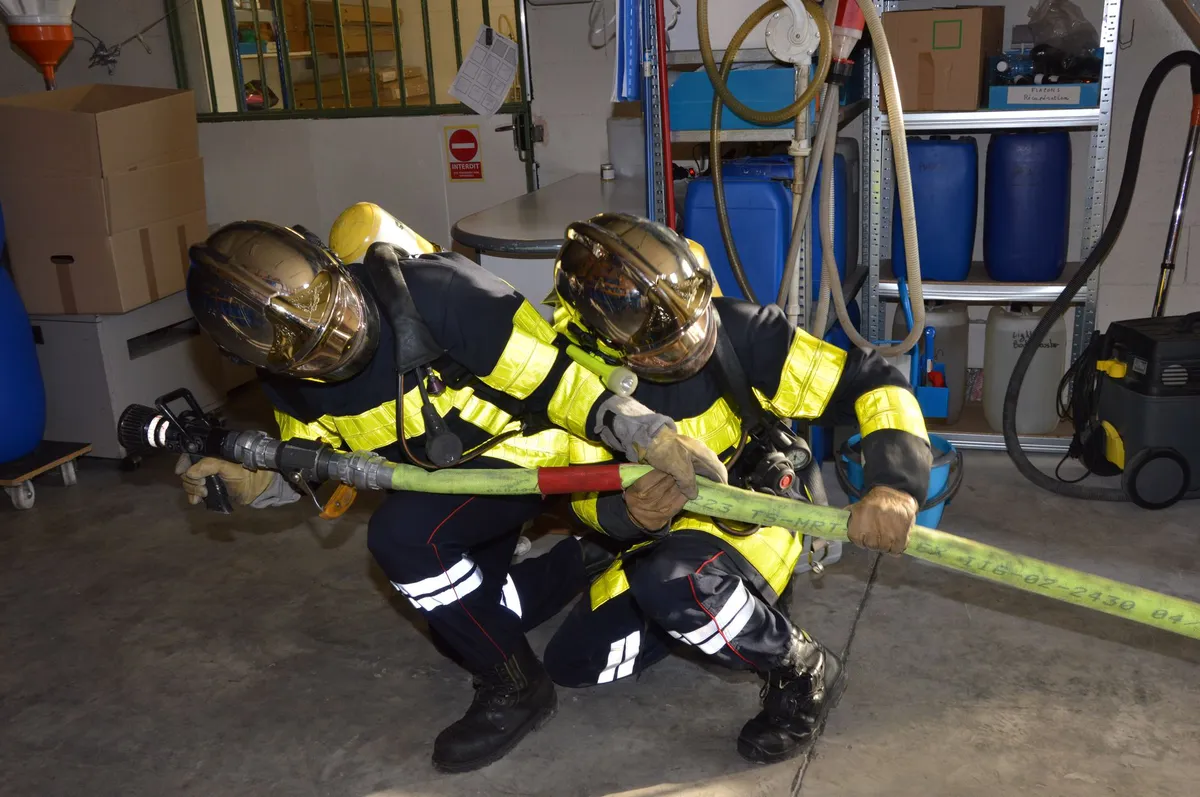
Firefighters can be better prepared through enhanced training programs that focus on the specific hazards associated with silo fires. This includes understanding the characteristics of oxygen-limiting structures, knowing when not to use certain firefighting tactics, and collaborating with manufacturers to ensure access to essential safety information.
What steps can companies take to improve safety in their facilities?
Companies can improve safety by conducting regular safety audits, providing training for employees on emergency response protocols, and working closely with fire departments to develop comprehensive emergency response plans tailored to the unique hazards of their operations. This proactive approach can significantly reduce the risks associated with industrial fires.
What is the role of regulatory bodies in preventing such tragedies?
Regulatory bodies play a crucial role in establishing safety standards and guidelines for industrial operations. They can promote best practices, encourage regular safety inspections, and enforce compliance with regulations designed to protect workers and communities from the hazards associated with industrial fires. Ongoing collaboration between industry stakeholders and regulators is essential to enhance safety measures.
Comments
Australia's New Standards for Gig Delivery Workers: A Blueprint for Change
Australia has implemented groundbreaking minimum pay and insurance standards for gig delivery workers, setting a precedent that could reshape the gig economy globally.

Related articles







Popular in Business Insurance
- Surging War-Risk Insurance Rates in the Strait of Hormuz: What It Means for Shipping
- Ross & Yerger Insurance Faces Class Action Over Data Breach Allegations
- Sompo Expands U.S. Workers' Compensation Portfolio with Service Insurance Acquisition
- Legal Battle Unfolds Over $1 Million Truck Crash Insurance Payout
- Howden Group's Ambitious Journey Toward IPO and Expansion