Understanding the Impact of the Recent Derecho on Property Insurance
The recent derecho that swept through the Midwest is expected to lead to significant property and business interruption claims. Experts weigh in on the implications for insurance policies and recovery processes.
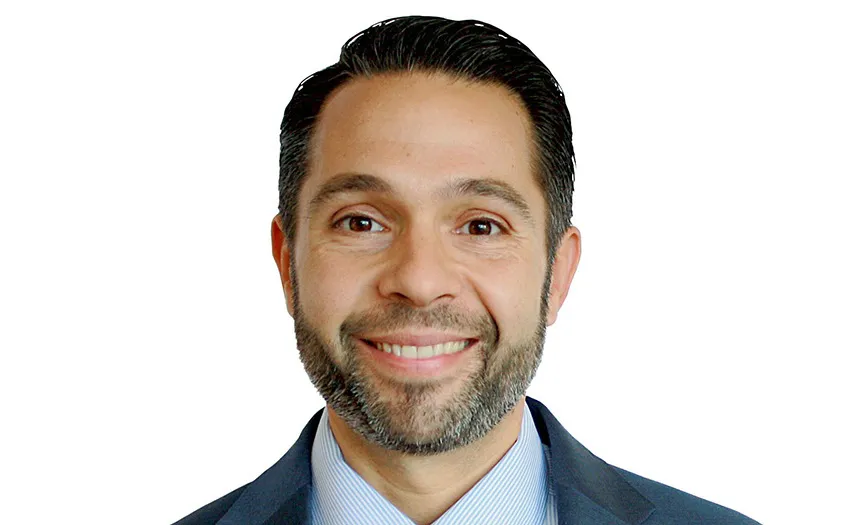
The recent derecho that tore through the Midwest has left a path of destruction that is expected to result in a significant surge of insurance claims across multiple sectors. With winds exceeding 100 mph, this severe weather event has impacted thousands of homes and businesses, leading to widespread property damage and loss of revenue. According to Blake J. Giannisis, executive vice president and North American property practice leader at HUB International, the storm's insurance ramifications will largely depend on the extent of the physical damage and how various insurance policies categorize severe convective storms, floods, and business interruption exposures.
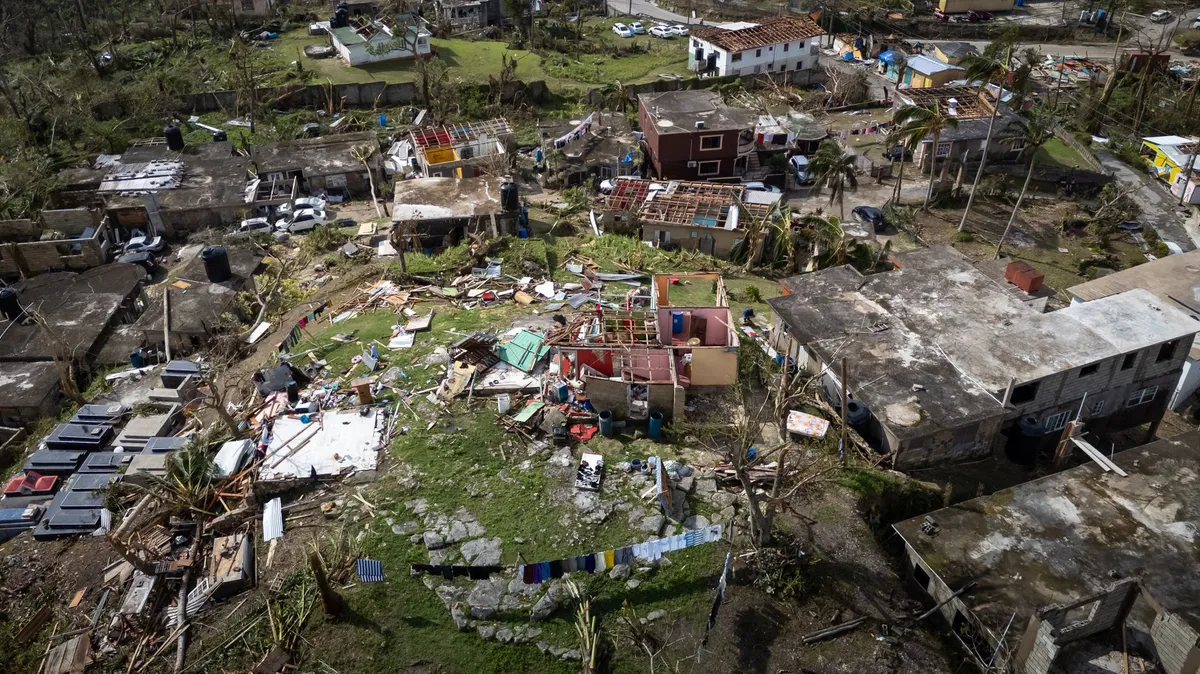
This derecho, which struck on August 11, has already been recorded as producing peak gusts of 99 mph at Gary/Chicago International Airport, affecting areas from northeastern Illinois to northwestern Indiana. As of Friday following the storm, over 360,000 homes and businesses were left without power, a situation that continues to evolve as restoration efforts are underway. NIPSCO, for instance, has targeted August 21 for full restoration for its impacted customers. Such prolonged outages, as noted by Giannisis, pose unique challenges to service interruption coverage and may lead to significant claims.
Understanding Derecho and Its Implications
A derecho is defined as a widespread, long-lived windstorm associated with a band of rapidly moving showers or thunderstorms. Unlike hurricanes, which are classified as named storms, derechos are often categorized under severe convective storms (SCS). This distinction is crucial for policyholders as it generally leads to different treatment under insurance policies.
The Insurance Coverage Landscape
Giannisis explains that coverage for derechos typically falls under the provisions for severe convective storms, which may feature higher limits and lower deductibles compared to named storms like hurricanes. This distinction can significantly alter the financial landscape for affected businesses and homeowners. For instance:
- Higher Coverage Limits: Policies associated with severe convective storms may allow for larger claims compared to those tied to hurricanes.
- Lower Deductibles: Policyholders might find that the deductibles on their severe convective storm policies are more manageable than those related to named storms.
- Market Conditions: The current soft property market has led to a reduction in property insurance rates, which may impact how insurers respond to claims.
Despite the favorable policy distinctions for derechos, Giannisis warns that property owners may still face significant hurdles when it comes to recovery. For example, flood exclusions or higher flood deductibles could limit the extent of recovery, especially in high-risk areas. Additionally, the damage caused by wind—ranging from structural roof damage to wind-borne debris—combined with flooding can complicate claims processes.

Business Interruption and Service Disruptions
The ramifications of the derecho extend beyond just physical property damage; they also encompass substantial business interruption risks. Giannisis points out that industries such as manufacturing, healthcare, and food services are particularly vulnerable to extended power outages and service interruptions.
Calculating Business Losses
Long-lasting outages can trigger waiting periods for service interruption coverage and may exhaust available limits for businesses. In many cases, companies whose own premises were undamaged may still suffer financial losses due to their customers or suppliers experiencing interruptions. This highlights the importance of contingent business income coverage, which is often limited or excluded in many policies. As businesses navigate these challenges, they must also consider the following:
- Documenting Losses: Keep a detailed record of damages and any associated costs.
- Engaging Specialists: Work with restoration experts and forensic accountants to accurately assess business interruption losses.
- Communicating with Insurers: Notify insurance providers as soon as possible to initiate claims processes.
The Current Market Context
The derecho arrives at a time when the North American insurance market is experiencing a soft cycle, characterized by falling property insurance rates. According to Marsh, U.S. property insurance rates decreased by 13% in the second quarter of 2026 due to increased market capacity and competition. Despite the potential for increased claims following the derecho, Giannisis does not foresee a significant shift in the downward trend of property rates unless it is followed by additional catastrophic events, such as hurricanes or earthquakes in highly insured areas.
Future Implications for Underwriters
Insurance underwriters may begin to apply more stringent evaluations for businesses with a history of severe convective storm exposures. As they reassess risks, companies could face higher premiums or more restrictive policy terms in the future. For policyholders, this reinforces the importance of maintaining an accurate and comprehensive risk profile.
Key Takeaways
- The derecho is expected to lead to significant property and business interruption claims in the Midwest.
- The classification of derechos under severe convective storms may offer favorable coverage terms compared to hurricanes.
- Prolonged power outages significantly impact industries reliant on continuous service, prompting the need for thorough documentation and claims management.
- The current soft market may not stabilize due to this event unless followed by additional major catastrophes.
- Businesses should proactively engage with insurance providers to ensure adequate coverage and risk assessments.
Frequently Asked Questions
What is a derecho and how does it differ from a hurricane?
A derecho is a widespread, long-lived windstorm associated with thunderstorms, characterized by straight-line winds that can exceed hurricane speeds. Unlike hurricanes, which are classified as named storms, derechos fall under the category of severe convective storms for insurance purposes, affecting how claims are processed and what coverage may apply.
How can businesses prepare for potential business interruptions following a derecho?
Businesses should prioritize loss mitigation by stabilizing damaged sites, documenting all losses thoroughly, and notifying their insurers promptly. Engaging restoration specialists and forensic accountants can also help in accurately assessing business interruption claims, ensuring that they are well-supported and substantiated when presented to underwriters.
What should policyholders do if they experience property damage due to a derecho?
Policyholders should immediately document all damages, including photographs and notes on pre-loss conditions. They should contact their insurance brokers to notify insurers and initiate the claims process. Engaging with restoration specialists can also help mitigate further damage and improve recovery outcomes.
Will the derecho impact property insurance rates in the future?
While the derecho may lead to increased claims, experts suggest that it is unlikely to reverse the current downward trend in property insurance rates unless it is followed by additional catastrophic events. Insurers are likely to scrutinize businesses with a history of severe convective storm exposure more closely, which may affect future premiums.
Comments
Australia's New Standards for Gig Delivery Workers: A Blueprint for Change
Australia has implemented groundbreaking minimum pay and insurance standards for gig delivery workers, setting a precedent that could reshape the gig economy globally.

Related articles






Popular in Business Insurance
- Surging War-Risk Insurance Rates in the Strait of Hormuz: What It Means for Shipping
- Ross & Yerger Insurance Faces Class Action Over Data Breach Allegations
- Sompo Expands U.S. Workers' Compensation Portfolio with Service Insurance Acquisition
- Legal Battle Unfolds Over $1 Million Truck Crash Insurance Payout
- Howden Group's Ambitious Journey Toward IPO and Expansion