California's New Wildfire Regulations: A Step Backward in Home Protection
California's newly adopted wildfire regulations have sparked concern among experts and residents alike, as they implement weaker protections for homes in high-risk areas. With the ongoing threat of wildfires, the implications for homeowners and the insurance market are profound.
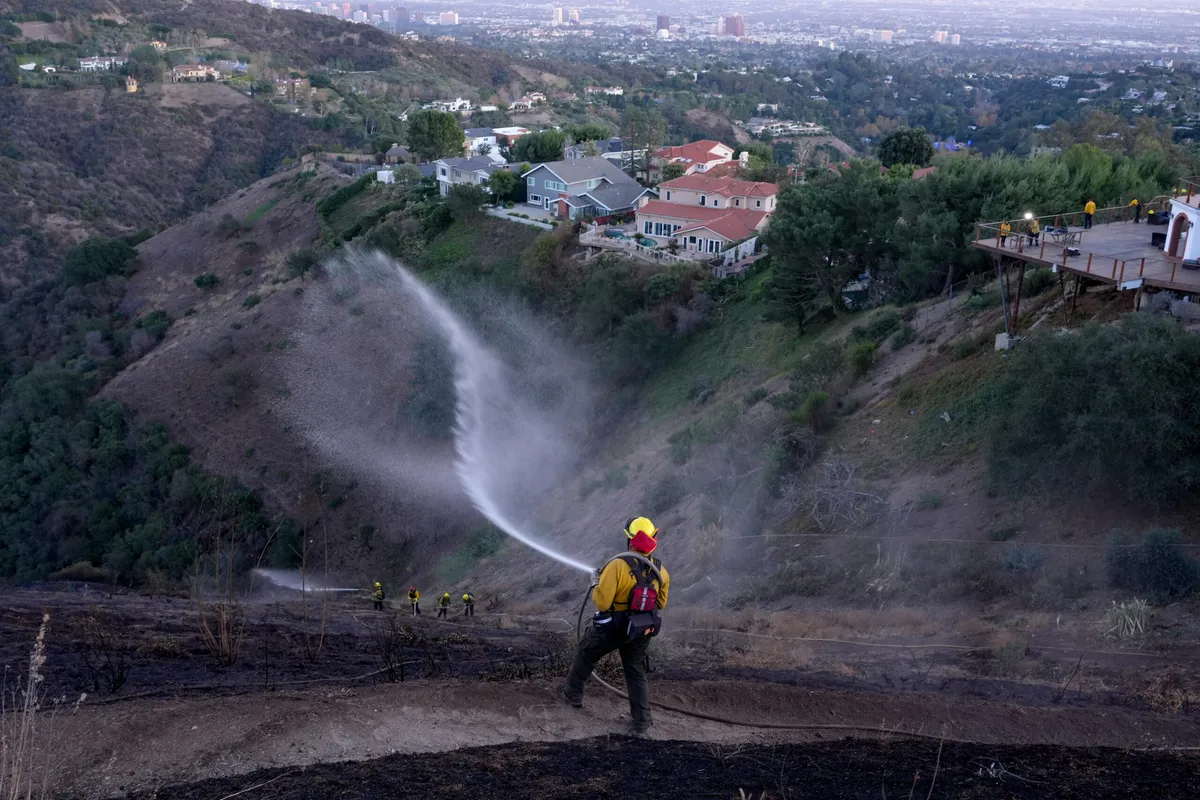
In a move that has left many experts and residents alarmed, the California Board of Forestry and Fire Protection recently approved new regulations aimed at protecting homes from the growing threat of wildfires. However, these rules are significantly less stringent than those recommended by scientists and fire safety advocates, raising concerns about the safety of millions of homes in high-risk areas. With wildfires increasingly devastating communities across the state, the implications of this regulatory shift are far-reaching, affecting everything from home insurance to property values.
The newly approved regulations, which apply to approximately 2 million homes, were mandated by a state law enacted in 2020. This law required homeowners in high-risk wildfire zones to establish an ember-resistant perimeter by removing combustible vegetation and debris within five feet of their dwellings, a space referred to as Zone Zero. Research indicates that maintaining a non-combustible Zone Zero nearly doubles the chances of a home surviving a wildfire. Yet, in response to homeowner backlash regarding aesthetic and financial concerns, the board has reduced the non-combustible zone from five feet to a minimum of just one foot.
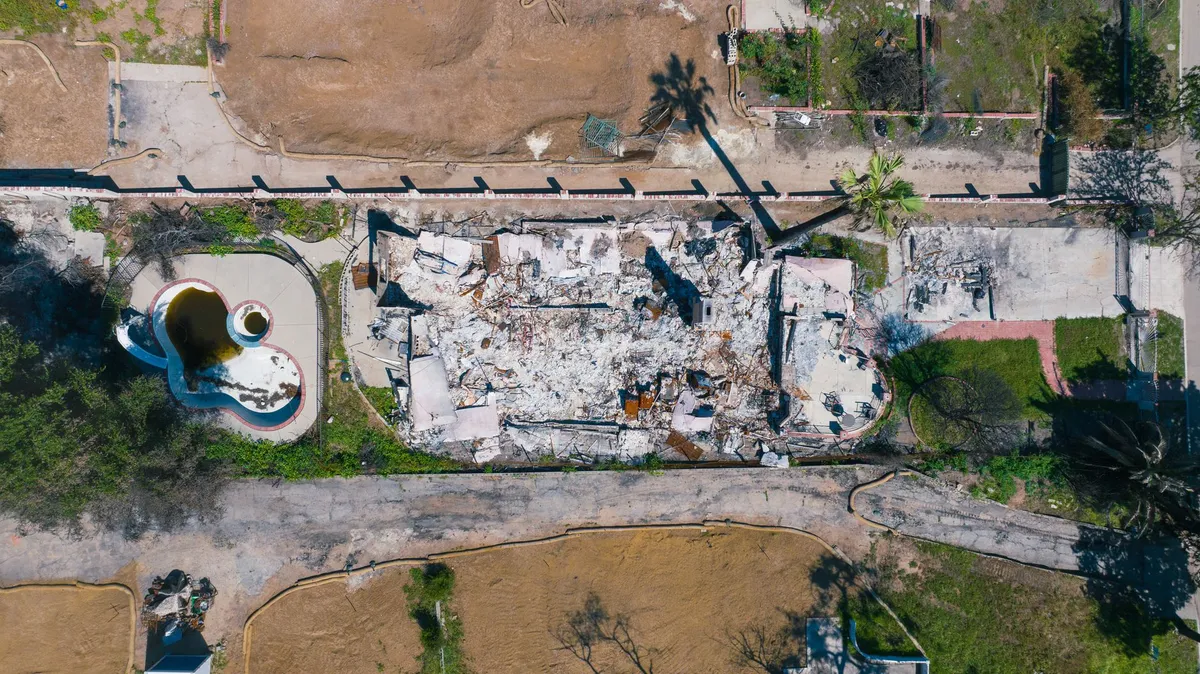
Understanding the New Regulations
The new wildfire regulations have sparked a heated debate among homeowners, firefighters, and scientists. By allowing plants and grass to remain in Zone Zero, the board has faced criticism for potentially increasing the risk of fire damage. As Todd Lando, a battalion chief with the Central Marin Fire Department, pointed out, these regulations could complicate enforcement and ultimately jeopardize home safety.
Key Elements of the New Regulations
- Zone Zero Reduction: The non-combustible zone has been reduced to at least one foot, allowing some vegetation to remain.
- Wood Structures: Homeowners must replace wood gates and fences within five feet of their homes with non-flammable alternatives.
- Compliance Timeline: New construction must comply by September 2026, while existing homes have a grace period of up to five years.
- Local Enforcement: Local governments can establish stricter rules but are not required to do so.
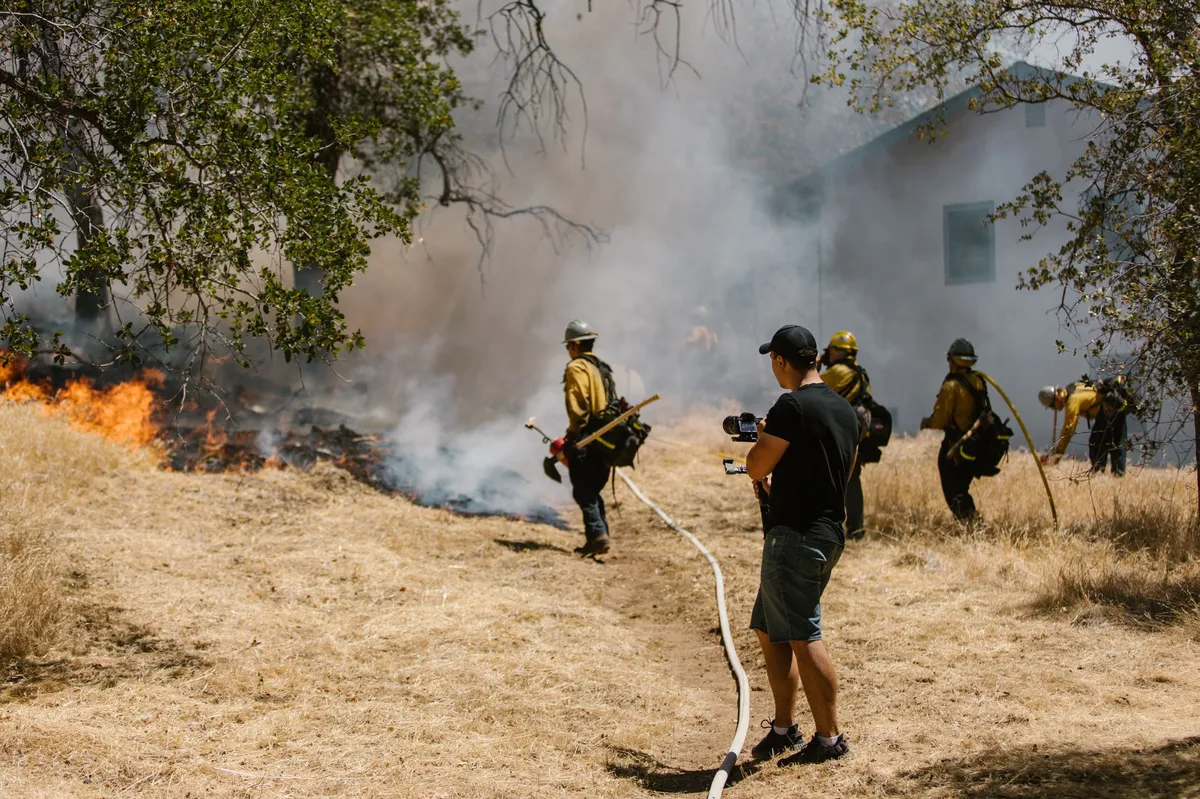
The Impact on Homeowners and the Insurance Market
The ramifications of these weakened regulations extend beyond immediate home safety. California is already grappling with an insurance crisis as insurers increasingly withdraw coverage from high-risk neighborhoods. This trend has forced homeowners to turn to the FAIR Plan, the state’s insurer of last resort, which offers limited coverage often at a significantly higher cost. The financial implications of these new regulations could further complicate the already precarious situation for many homeowners.
Yana Valachovic, a wildfire scientist at the University of California, noted that the new regulations, while a step forward, should not be viewed as the pinnacle of wildfire protection. The insurance industry has echoed these sentiments, warning that the relaxed standards could exacerbate the climate-driven insurance crisis, as insurers may view these changes as a signal of heightened risk.
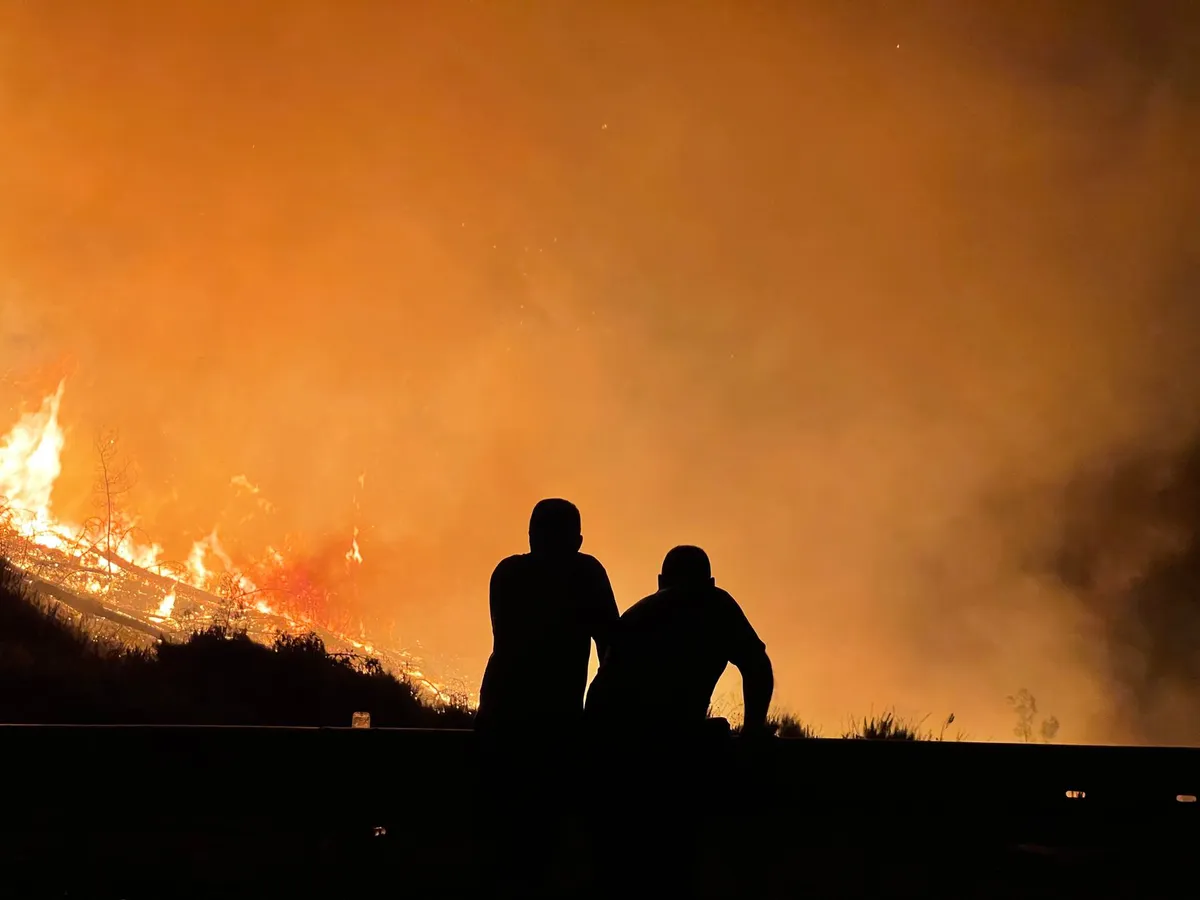
Community Response and Future Challenges
Public response to the new regulations has been mixed, with many residents, particularly in Southern California, expressing their discontent. At a recent board meeting, some residents described the less restrictive regulations as overly conservative, fearing that they would not adequately protect their homes. Conversely, others have emphasized the need for more stringent measures to ensure long-term safety and resilience.
The board’s decision to prioritize the implementation of these regulations over stricter alternatives has been met with criticism. Terrence O'Brien, chair of the forestry board, acknowledged the complexities surrounding community safety but insisted that delaying action was not an option. This sentiment reflects the urgency of addressing wildfire risks, particularly in light of devastating past incidents, such as the 2025 Los Angeles wildfires that claimed 16,000 homes.
Looking Ahead: Strengthening Wildfire Resilience
As California faces an increasing frequency of destructive wildfires, the need for robust preventive measures becomes more pressing. Experts agree that while the newly adopted regulations are a starting point, they are insufficient for the challenges that lie ahead. For homeowners, understanding and preparing for these risks is paramount.
Moving forward, it will be essential for residents to engage with local authorities to advocate for stronger regulations and actively participate in community fire safety initiatives. Additionally, homeowners should consider assessing their properties for compliance with existing regulations and explore options for enhancing their home’s fire resilience, such as installing non-combustible roofing materials, clearing debris, and creating defensible spaces around their homes.
Key Takeaways
- California's new wildfire regulations reduce the non-combustible perimeter from five feet to one foot.
- The changes may raise insurance risks for homeowners, exacerbating the current insurance crisis.
- Local governments have the authority to implement stricter regulations if desired.
- Homeowners are encouraged to actively prepare and engage with local fire safety initiatives.
Frequently Asked Questions
What is Zone Zero?
Zone Zero refers to the area immediately surrounding a home that should be maintained as a non-combustible space to reduce the risk of wildfire damage. Under the new regulations, this zone has been reduced from five feet to a minimum of one foot, allowing for some vegetation, which critics argue could increase fire risks.
How do these regulations affect home insurance in California?
The newly adopted regulations may lead to more stringent underwriting practices by insurers, as the reduced fire safety measures could signal a higher risk of loss. Many homeowners in high-risk areas have already experienced difficulties obtaining comprehensive coverage, leading many to rely on the FAIR Plan, which offers limited protection.
What should homeowners do to protect their properties?
Homeowners should evaluate their properties for fire risks and take proactive measures to enhance fire safety. This includes creating a defensible space by clearing flammable materials, using non-combustible materials for roofing and siding, and participating in local fire safety programs to stay informed about best practices.
Are there local regulations that may be stricter than the new state rules?
Yes, local governments in California have the authority to establish stricter regulations than those set by the state. Homeowners are encouraged to check with their local authorities to understand what specific requirements may apply to their property and community.
Comments
RockRose Risk Secures $12.5 Million to Transform Wildfire Insurance Landscape
RockRose Risk is reshaping how wildfire insurance is approached by integrating underwriting and property mitigation services. With a new $12.5 million funding, they aim to directly manage risk reduction efforts, promising homeowners and businesses lower premiums tied to proactive property hardening.
Related articles

Popular in Home Insurance
- 2026 Sees Below-Average Severe Convective Storm Losses: What It Means for Insurance
- El Niño and Wildfires: Preparing for a Fire-Prone Future
- Young Affluent Collectors: The Underinsurance Dilemma in Luxury Investments
- Wisconsin Property Owner Sues City and Insurers Over Contamination Cleanup Costs
- Rising Catastrophe Risks: How Europe’s Insurers Are Adapting to Climate Change