LA's Uneven Fire Recovery: The $100 Million Mall Reopening and Its Implications
The reopening of Palisades Village marks a significant but uneven recovery in Pacific Palisades, illustrating the stark divide between affluent residents and those still struggling post-wildfire.
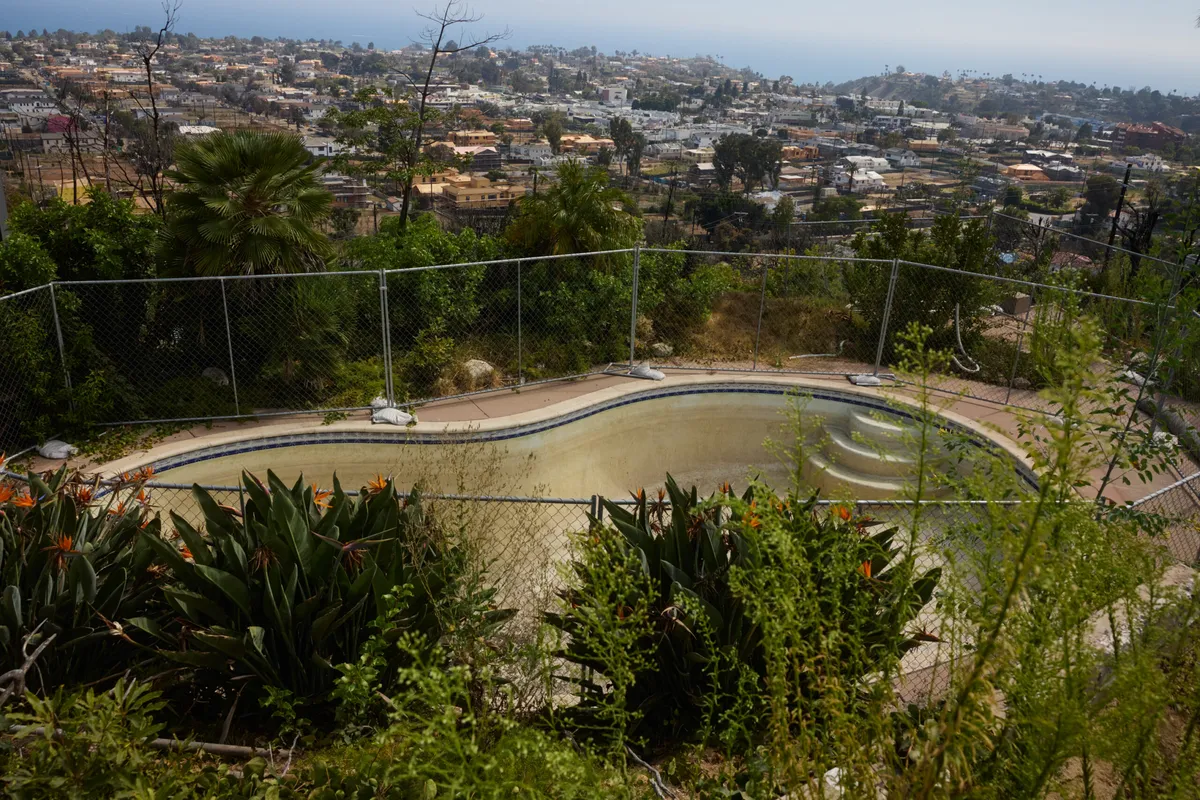
The Pacific Palisades neighborhood in Los Angeles is witnessing a striking juxtaposition of recovery and despair following the devastating wildfire that ravaged the area over a year ago. At the heart of this transformation is the reopening of the luxury Palisades Village shopping center, a $100 million project led by billionaire developer Rick Caruso. This event not only signifies a milestone in the recovery process but also highlights the stark inequalities faced by residents as they grapple with insurance claims and rebuilding setbacks.
As the community buzzes with construction activity, the reality for many homeowners remains grim. While some affluent residents swiftly rebuild their multimillion-dollar homes, others are left waiting for insurance payouts or government assistance, leading to frustration and a sense of abandonment among those most affected by the fire. This situation raises pressing questions about the future of Pacific Palisades and the broader implications for disaster recovery in California.
Recovery in Pacific Palisades: A Tale of Two Communities
With the reopening of Palisades Village, which boasts upscale retailers and gourmet food options, one might think that recovery is well underway. However, the reality is far more complex. The Palisades Fire, attributed to arson, destroyed over 6,800 structures, claiming 31 lives and resulting in more than $40 billion in insured damages. While Caruso's investment represents a significant step toward revitalization, the rebuilding effort for many residents has been painfully slow.
As of now, fewer than one-third of homeowners whose houses were destroyed have secured rebuilding permits, and only 1% have completed their homes. This stark contrast underscores a growing chasm between those with the financial means to expedite recovery and those left behind. Rich Wilken, a longtime resident and architect, lamented that the community's unique character is at risk of being lost in the face of wealth-driven reconstruction.
The Role of Insurance and Government Aid
The slow pace of recovery can be largely attributed to the struggles many residents face with insurance companies and the lack of timely government support. City Council member Traci Park highlighted the emotional and financial toll on residents who are fighting to receive the compensation they are owed. For many, the painstaking process of dealing with insurers has turned their lives upside down, as they watch their savings dwindle while they await assistance.
Governor Gavin Newsom has criticized the federal government for its failure to deliver promised disaster relief funds, with over $15 billion in requests still pending. This has added another layer of frustration for residents, who feel as though the government has moved on while they remain trapped in a cycle of uncertainty.
Political Ramifications of the Recovery Efforts
The uneven recovery has not only left residents disillusioned but has also become a political contentious issue in Los Angeles. Mayor Karen Bass has faced backlash for her administration's handling of the rebuilding process, with critics accusing her of neglecting the needs of fire survivors. The blame game extends to insurance companies and lenders, with many residents expressing anger over delays and inadequate support.
As the recovery process drags on, the political ramifications are becoming evident. With the upcoming elections, candidates are leveraging the frustrations of Palisades residents to gain traction, highlighting the growing discontent with local leadership. Nithya Raman, a City Council member challenging Bass, has pointed to the lack of coordination and vision in the recovery efforts as a significant failure.
The Changing Landscape of Pacific Palisades
As construction continues in Pacific Palisades, the landscape of the community is changing dramatically. New luxury homes are being built, and lots that once housed modest cottages are now eyeing hefty price tags. Real estate agents report that lots are selling for an average of $2 million, with rebuilt homes potentially reaching prices of $4 million or more. This shift raises concerns about the community's future identity and whether it will remain a place for diverse residents or become an enclave exclusively for the wealthy.
Mary Jo Stirling, an 86-year-old resident, noted that many of her longtime neighbors have opted not to return, highlighting a significant demographic shift within the community. The affordable charm that once defined the area is being replaced by luxury developments catering to affluent buyers, raising questions about accessibility and community cohesion.
Key Takeaways
- The reopening of Palisades Village symbolizes a significant but uneven recovery from the devastating wildfire in Pacific Palisades.
- Fewer than one-third of homeowners have received rebuilding permits, with only 1% of homes completed.
- Residents face ongoing struggles with insurance companies and lack of government assistance, leading to mounting frustration.
- The political fallout from the recovery efforts is intensifying as leaders grapple with public discontent.
- The changing real estate landscape may alter the community's character and accessibility for future residents.
Frequently Asked Questions
What caused the Palisades Fire, and how much damage did it cause?
The Palisades Fire, which broke out in early 2025, was determined to be started by arson. This catastrophic event destroyed over 6,800 structures and resulted in 31 fatalities. The overall insured damages from the fire exceeded $40 billion, making it one of the most destructive wildfires in California's history.
What role are insurance companies playing in the recovery process?
Insurance companies have been criticized for their slow response to claims, causing significant delays for homeowners seeking to rebuild. Many residents are struggling to navigate the claims process, leading to financial strain and uncertainty as they await payouts. The slow pace of insurance settlements has been a major obstacle in the recovery efforts for the community.
How has the local government responded to the disaster and recovery efforts?
The local government's response has been met with mixed reviews. While there have been efforts to provide assistance, many residents feel that the pace of recovery has been inadequate. Governor Gavin Newsom and other local officials have criticized the federal government's failure to deliver promised disaster relief funds. As the community remains in limbo, political leaders are facing increasing pressure to address the concerns of fire survivors.
What does the future hold for Pacific Palisades?
The future of Pacific Palisades is uncertain as the community grapples with the aftermath of the fire and significant changes in its demographics. The influx of wealthier residents and luxury developments raises concerns about the loss of the area’s original charm and accessibility for longtime residents. The rebuilding process will likely reshape the neighborhood's identity, posing both opportunities and challenges for its future.
Comments
RockRose Risk Secures $12.5 Million to Transform Wildfire Insurance Landscape
RockRose Risk is reshaping how wildfire insurance is approached by integrating underwriting and property mitigation services. With a new $12.5 million funding, they aim to directly manage risk reduction efforts, promising homeowners and businesses lower premiums tied to proactive property hardening.
Related articles
Popular in Home Insurance
- 2026 Sees Below-Average Severe Convective Storm Losses: What It Means for Insurance
- El Niño and Wildfires: Preparing for a Fire-Prone Future
- Young Affluent Collectors: The Underinsurance Dilemma in Luxury Investments
- Wisconsin Property Owner Sues City and Insurers Over Contamination Cleanup Costs
- Rising Catastrophe Risks: How Europe’s Insurers Are Adapting to Climate Change