The Integrity Crisis in Property Insurance: A Call for Accountability
As property insurance claims become more complex, the erosion of integrity threatens the very foundation of the industry. This article explores the implications of this decline and the urgent need for reform.

The property insurance industry has long been regarded as a pillar of financial security for homeowners and businesses alike, built on the essential promise: if calamity strikes, we will make you whole. Yet, as the sector evolves, a troubling trend has emerged — the erosion of integrity within the claims process. This decline is not merely anecdotal; it is a measurable crisis that has profound implications for policyholders, the industry, and the economy.
As we delve into this critical issue, it becomes clear that integrity is not simply an ideal; it is a fundamental requirement for the insurance industry to function effectively. Without it, the promise of safeguarding the collective resources of policyholders becomes meaningless, leaving the most vulnerable at risk. This article aims to unpack the current landscape of integrity within property insurance, highlight the factors contributing to this erosion, and emphasize the urgency of restoring accountability.
The Promise of Insurance: A Foundation Built on Trust
At its core, an insurance policy is more than just a contract; it is a promise made between the insurer and the insured. When individuals pay their premiums, they do so with the expectation that, in times of distress, their insurer will step in to provide financial relief. This reliance is often placed on faith rather than tangible evidence, as policyholders cannot predict whether their claims will be honored until they face a significant loss.
This arrangement is particularly profound because the funds pooled by policyholders serve as a collective safety net. Each dollar paid into the insurance pool is earmarked for the welfare of all contributors, creating an inherent responsibility for claims adjusters and insurers to act as stewards of these resources. However, as the landscape shifts, this stewardship is increasingly compromised, leading to a breakdown of trust.

Historical Context: The Evolution of Claims Handling
Historically, claims adjusters played a pivotal role in the insurance process. They were seasoned professionals who understood the nuances of property damage and had the authority to make decisions based on their experience. This human element fostered accountability; when a claim was mishandled, it was clear who was responsible. However, with the departure of many experienced adjusters and the influx of new talent, this model has begun to fray.
The impending retirement of seasoned adjusters — with projections indicating that one in four will retire within the next five years — has sparked a significant shift. New adjusters often face overwhelming caseloads and lack the experience necessary to assess claims accurately. This inexperience can lead to higher indemnity payouts, as mistakes made in the claims process can result in inflated estimates and unjust settlements.

Automating Integrity: The Double-Edged Sword of Technology
The insurance industry's embrace of technology has brought numerous efficiencies, but it has also contributed to a troubling trend: the prioritization of speed over accuracy. With automation driving claims handling, the focus has shifted from thorough assessments to rapid resolutions. While technology can help streamline processes, it cannot replace the critical thinking and ethical judgment that human adjusters once provided.
For instance, automated systems have been known to make decisions based on inaccurate data — such as misidentifying properties through aerial imagery — resulting in denied claims for homeowners who are rightfully entitled to compensation. When a claim is evaluated by an algorithm rather than a trained professional, the opportunity for oversight and accountability diminishes dramatically.
The Cost of Erosion: Financial Implications for Policyholders
The tangible effects of this integrity deficit are alarming. According to the Coalition Against Insurance Fraud, insurance fraud costs the U.S. economy approximately **$308 billion annually**, translating to an extra **$400 to $700** in premiums for the average American family. In the realm of property and casualty insurance alone, fraud is estimated to cost around **$45 billion** each year.
One of the starkest examples of this erosion can be seen in Florida's assignment of benefits (AOB) crisis, where abuse of AOBs has led to exorbitant legal costs and inflated claims. Data indicates that AOB-related claims cost Floridians at least **$2.5 billion** in excess legal expenses, with the average claim costing about **$32,000** to settle — three times higher than claims without such assignments. Notably, while Florida accounted for only **9%** of the nation's homeowners' claims, it represented a staggering **79%** of the lawsuits, showcasing how systemic issues can escalate into widespread financial burdens.
- Insurance fraud costs U.S. economy:** $308 billion annually
- Average family pays:** $400 to $700 more in premiums due to fraud
- Florida's AOB abuse costs:** $2.5 billion in excess legal expenses
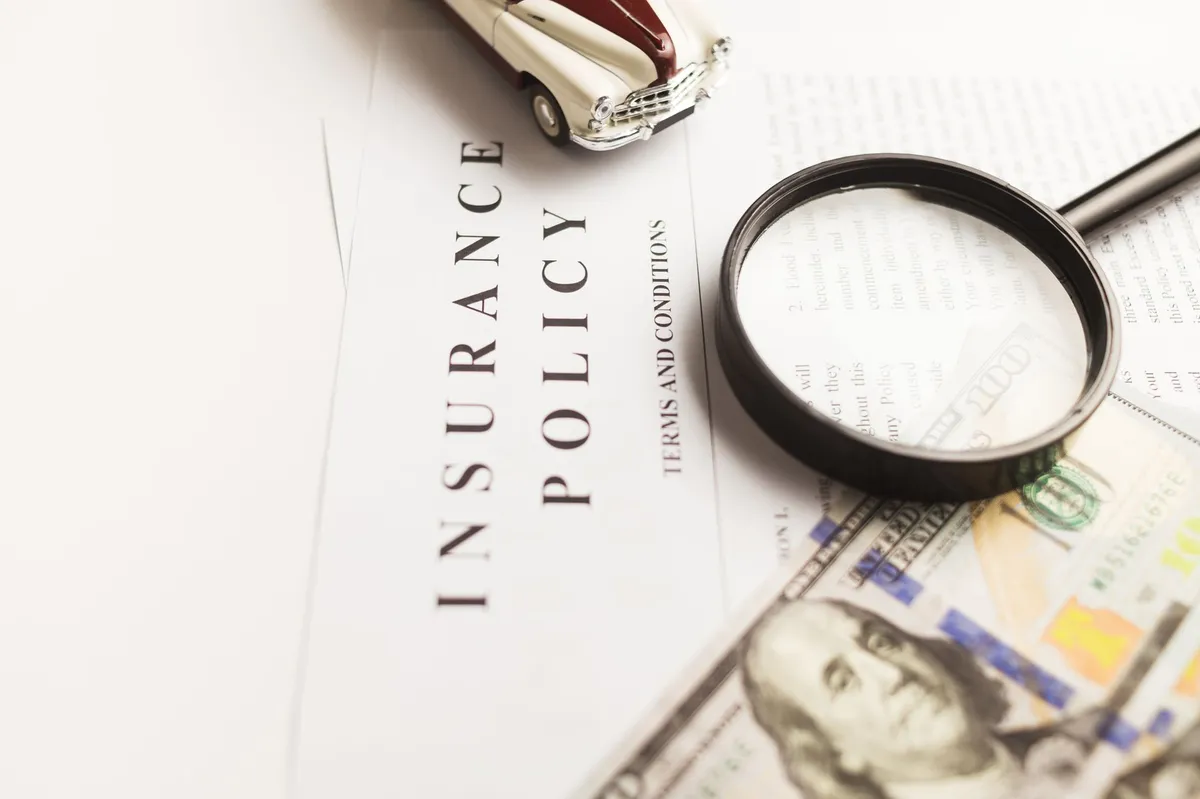
Looking Ahead: Initiatives for Restoring Integrity
The path to restoring integrity within the property insurance claims process is complex but essential. To combat the ongoing erosion, industry stakeholders must prioritize accountability and ethical standards. Efforts may include:
- **Enhancing training** for claims adjusters to ensure they possess the skills and experience necessary to make sound decisions.
- **Implementing stricter regulations** on automated claims processing to ensure accountability for decisions made by algorithms.
- **Increasing transparency** in the claims process, allowing policyholders to see the criteria and data used to evaluate their claims.
- **Encouraging whistleblower protections** for employees who report unethical practices within the industry.
These initiatives will demand effort and commitment from insurers, regulators, and industry professionals alike. However, without rigorous action, the integrity crisis will continue to threaten the very foundation of property insurance.
Key Takeaways
- The integrity crisis in property insurance is a pressing issue that requires immediate attention.
- Automation and inexperienced adjusters contribute to the erosion of accountability in claims handling.
- Insurance fraud imposes significant costs on honest policyholders.
- Restoring integrity will require enhanced training, regulation, and transparency within the industry.
Frequently Asked Questions
What is causing the decline in integrity in property insurance claims?
The decline in integrity is primarily due to the departure of experienced adjusters, who are being replaced by less seasoned professionals who may lack the necessary judgment to handle complex claims. Additionally, the push for faster claims processing often prioritizes speed over thoroughness, leading to errors and a lack of accountability in decision-making.
How does insurance fraud impact policyholders financially?
Insurance fraud significantly raises the cost of premiums for policyholders. According to estimates, the average American family pays between **$400 and $700** more annually due to fraudulent claims within the system. This added financial burden highlights the importance of addressing integrity issues in the claims process to protect honest policyholders.
What steps can be taken to restore integrity in the insurance industry?
Restoring integrity in the insurance industry requires a multifaceted approach. Key steps include improving training for claims adjusters, implementing stricter regulations on automated processes, increasing transparency in claims handling, and fostering a culture of accountability within the industry. These measures would help to rebuild trust and ensure fair treatment for all policyholders.
Why is integrity essential in the property insurance industry?
Integrity is fundamental to the property insurance industry because it upholds the promise made to policyholders. When trust is eroded, the entire system becomes vulnerable, leading to financial losses for both insurers and policyholders. Upholding ethical standards is crucial for maintaining the industry’s credibility and ensuring that it can effectively serve its purpose of providing security and support in times of need.
Comments
Surging Demand for E&S Homeowners Insurance: A New Landscape in the Heartland
The excess and surplus lines homeowners insurance market is evolving, driven by severe weather events and admitted carrier pullbacks. Discover how hail damage and convective storms are reshaping the insurance landscape across the U.S. interior.
Related articles
Popular in Home Insurance
- 2026 Sees Below-Average Severe Convective Storm Losses: What It Means for Insurance
- El Niño and Wildfires: Preparing for a Fire-Prone Future
- Young Affluent Collectors: The Underinsurance Dilemma in Luxury Investments
- Wisconsin Property Owner Sues City and Insurers Over Contamination Cleanup Costs
- Rising Catastrophe Risks: How Europe’s Insurers Are Adapting to Climate Change