Understanding Wildfire Risk: How Neighborhoods Affect Insurance Pricing
As wildfires become increasingly destructive, insurers are shifting focus from individual home risks to community-level wildfire resilience. This article explores how neighborhood dynamics shape insurance costs and what homeowners can do to mitigate risks.
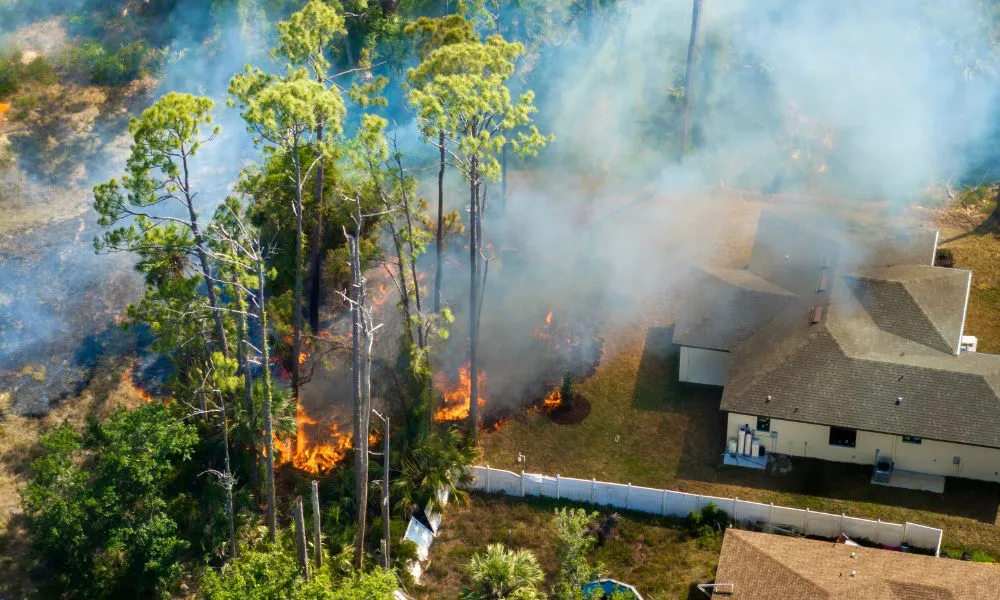
In the face of increasingly devastating wildfires, the insurance industry is undergoing a profound transformation in how it assesses risk and sets premiums. Following the catastrophic wildfires in January 2025 that led to approximately $40 billion in insured losses in Los Angeles, insurers are now recognizing that the risk posed by wildfires is not solely an individual property issue but a communal one. This shift towards neighborhood-based pricing is not just a new strategy; it reflects a significant change in understanding how wildfires spread and the factors that influence insurance costs.
Traditionally, insuring a home against wildfires involved evaluating individual property characteristics — such as the materials used in construction and the presence of defensible space around the building. However, as experts now assert, the wildfire risk posed by the house next door can be just as significant as that posed by the house itself. This communal perspective is leading to new pricing structures and discounts designed to encourage homeowners to work together in mitigating wildfire risks.
Shifting the Paradigm: Community Resilience
The CSAA Insurance Group, which provides coverage for AAA members across 23 states and the District of Columbia, illustrates this shift with its recent rollout of discounts up to 31% for homes that combine individual hardening measures with community-level wildfire mitigation efforts. According to Ryan Vigus, the executive vice president of personal lines product management at CSAA and chair of the Insurance Institute for Business & Home Safety (IBHS), the approach to wildfire risk must transition from an isolated view of individual homes to a collective understanding of entire neighborhoods. He emphasizes, "a community is stronger when more homes are resilient."
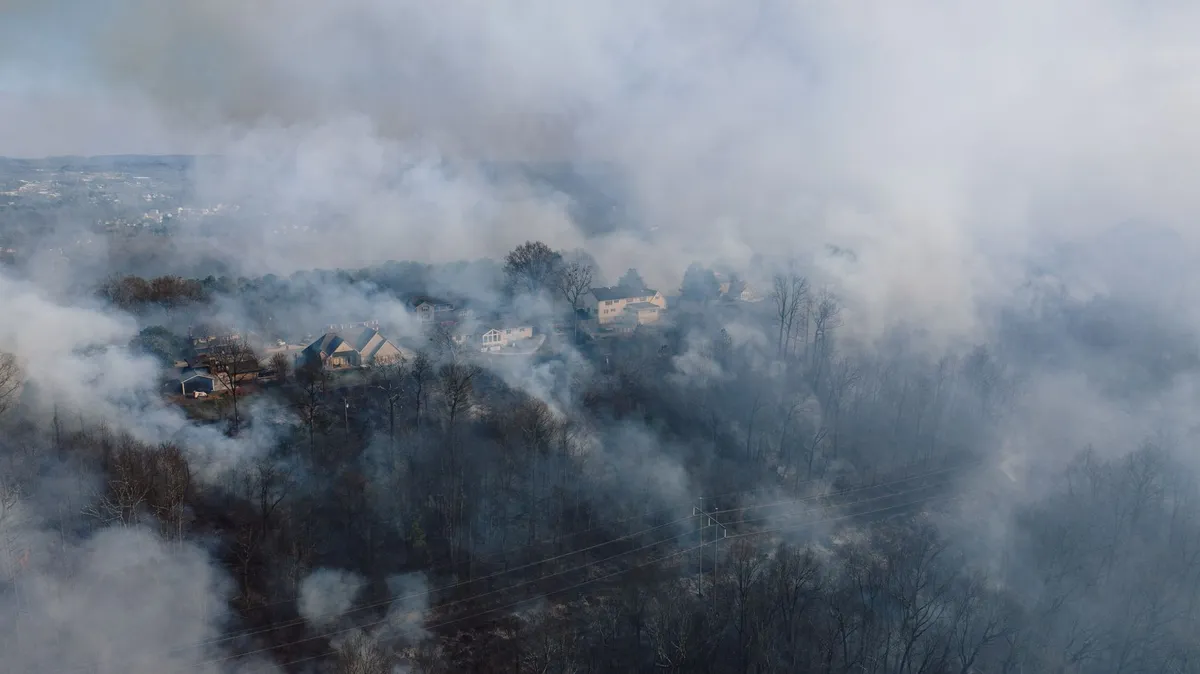
This communal approach to wildfire risk management comes in stark contrast to how other perils, such as hail or hurricanes, are mitigated. Michael Newman, general counsel at IBHS, notes that for these risks, mitigation often happens on a house-by-house basis. With wildfires, however, the spread can quickly jump from one property to another, making neighborhood-level strategies essential for effective risk management.
The Importance of Individual and Collective Mitigation
While community-level efforts are critical, individual homeowners still play an essential role in reducing wildfire risks. Simple actions such as removing flammable materials from around the home can significantly improve a property's defensibility. Vigus points out that these measures are not only effective but also relatively inexpensive. Homeowners can create defensible space and enhance their properties' fire resilience without a substantial financial burden.
However, more advanced mitigation techniques, such as obtaining the IBHS designation of Wildfire Prepared Home Enhanced, require significant investment. This designation typically necessitates upgrades like fire-resistant siding, windows, and roofing, which can be costly. The need for licensed contractors to perform these upgrades adds another layer of complexity, as not all areas have access to such resources.
Community-Level Impact: Case Studies and Research Insights
Research supports the theory that neighborhood-level actions can have a pronounced effect on individual homeowner risk. A study conducted by Heather Kanzlemar, a principal and consulting actuary at Milliman, in the Moraga-Orinda area of California, demonstrated that community-level fuel reduction efforts produced comparable benefits to individual defensible space measures. The study revealed that homeowners who had not undertaken any personal mitigation still reaped benefits when their neighbors engaged in clearing flammable vegetation.
This layered approach, as Kanzlemar describes, combines individual credits for home hardening with community-level assessments of neighborhood fuel conditions. The implication is clear: investing in community resilience can amplify the benefits received by all homeowners in high-risk areas.
Building Codes and the Future of Resilience
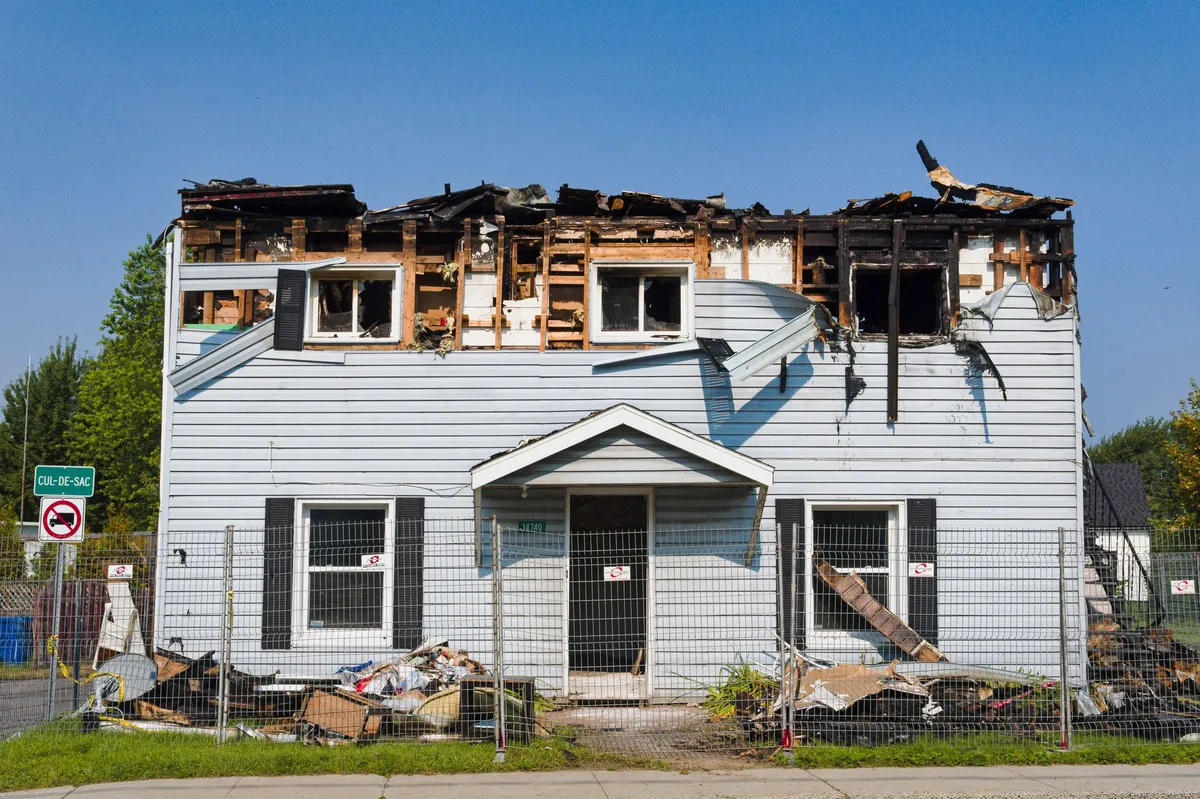
For insurance companies like CSAA, developing a robust pricing strategy that reflects these collective risks requires a multi-faceted approach. Vigus outlines four key components necessary for scaling up resilience:
- Building Codes: Effective building codes are crucial for ensuring new constructions are resilient to wildfires. However, changing these codes can be a lengthy and challenging process.
- Contractor Knowledge: A knowledgeable contractor community capable of implementing innovative building techniques is essential for meeting new standards.
- Insurance Pricing Signals: Insurers must reward homeowners who engage in mitigation efforts with better pricing, which CSAA is already implementing.
- Funding Mechanisms: A mix of grants, insurance payouts, and homeowner contributions is necessary to finance the transition toward more resilient structures.
IBHS has made significant strides in establishing wildfire preparedness standards. In April 2026, it expanded its Wildfire Prepared designation program from four states to 14, and in June 2026, it introduced formal neighborhood and multifamily standards to reinforce community-level resilience.
The Underwriting Challenge: Concentrated Risks
When underwriting policies in wildfire-prone areas, insurers often face two primary concerns. The first is whether the approved rates accurately reflect the true risk of loss. The second concern involves concentrated exposure, where many properties are located in high-risk areas. This concentration raises the stakes for insurers, especially during major wildfire events, leading to potentially large claims payouts.
California's recent regulatory changes have allowed insurers to better align their rates with the actual risks presented by wildfires, which has been a crucial development for the industry. Vigus explains that CSAA's decision to offer significant discounts, despite uncertainties about their long-term effectiveness, reflects a proactive approach to addressing these risks.
Key Takeaways
- Wildfire insurance pricing is evolving from individual assessments to neighborhood-level evaluations.
- Community resilience is essential for reducing wildfire risks and can enhance individual homeowner benefits.
- Simple home hardening measures can significantly improve defensibility against wildfires.
- Building codes, contractor training, and financial mechanisms are vital for promoting resilience.
- Insurers are adapting their strategies to better reflect collective wildfire risks.
Frequently Asked Questions
How does community-level wildfire mitigation affect insurance premiums?
Community-level wildfire mitigation plays a significant role in determining insurance premiums. Insurers are beginning to recognize that the risk of wildfire is not solely dependent on individual property characteristics but is greatly influenced by the collective actions of neighboring homeowners. When communities engage in coordinated efforts to reduce flammable vegetation and improve overall fire resilience, insurers can offer discounts and adjust pricing structures to reflect the reduced risk. This shift towards neighborhood-oriented pricing is changing the landscape of wildfire insurance.
What are some effective individual mitigation strategies for homeowners?
Homeowners can take several effective actions to mitigate wildfire risks on their properties. Creating defensible space by clearing flammable materials, using fire-resistant landscaping, and maintaining a safe distance between structures are crucial steps. Additionally, upgrading to fire-resistant building materials for roofing, siding, and windows can significantly enhance a home's resilience. While some measures can be completed without professional help, others, like obtaining specific designations such as the IBHS Wildfire Prepared Home Enhanced, may require the expertise of licensed contractors.
What role do building codes play in wildfire resilience?
Building codes are fundamental in establishing standards for constructing fire-resistant homes in wildfire-prone areas. Well-designed building codes can enforce the use of materials and practices that minimize fire risk, such as non-combustible siding and ember-resistant vents. However, changing these codes can be challenging due to political and economic factors. The success of wildfire resilience efforts often hinges on the willingness of local governments and stakeholders to adopt and enforce updated regulations that prioritize safety.
How can homeowners finance mitigation upgrades?
Financing mitigation upgrades can be challenging, but several options are available to homeowners. Many insurers offer discounts or incentives for properties that meet certain wildfire resilience standards, which can help offset the costs of upgrades. Additionally, homeowners can explore state or federal grants aimed at promoting fire-resistant construction and retrofitting. Consulting with local fire departments or community organizations may reveal additional resources, and some homeowners may consider financing options, such as personal loans or home equity lines of credit, to fund necessary improvements.
Comments
Surging Demand for E&S Homeowners Insurance: A New Landscape in the Heartland
The excess and surplus lines homeowners insurance market is evolving, driven by severe weather events and admitted carrier pullbacks. Discover how hail damage and convective storms are reshaping the insurance landscape across the U.S. interior.
Related articles

Popular in Home Insurance
- 2026 Sees Below-Average Severe Convective Storm Losses: What It Means for Insurance
- El Niño and Wildfires: Preparing for a Fire-Prone Future
- Young Affluent Collectors: The Underinsurance Dilemma in Luxury Investments
- Wisconsin Property Owner Sues City and Insurers Over Contamination Cleanup Costs
- Rising Catastrophe Risks: How Europe’s Insurers Are Adapting to Climate Change