California Implements Groundbreaking Wildfire Safety Standards
California has set a precedent with its first statewide wildfire safety standard, Zone 0, impacting property owners and insurers alike. Understanding these new regulations is crucial for homeowners in fire-prone areas.
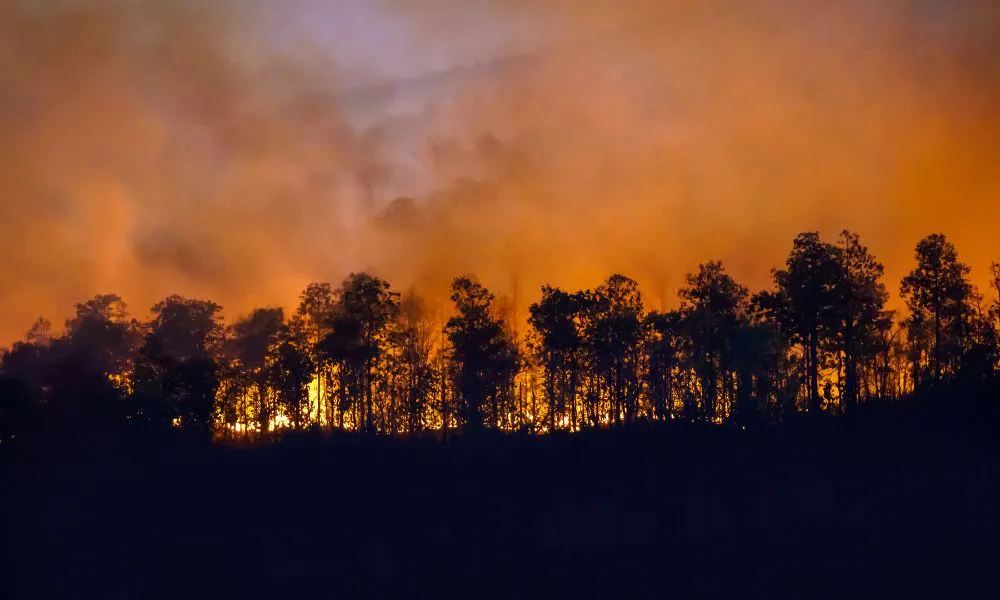
In a remarkable move to enhance fire safety amid increasing wildfire risks, California has established the nation's first statewide Zone 0 wildfire standard. On August 19, 2023, the California Board of Forestry and Fire Protection voted to implement regulations that define a critical safety perimeter around structures. These regulations aim to create a uniform safety baseline, particularly relevant as insurers increasingly incorporate wildfire mitigation strategies into their pricing and risk assessments.
The introduction of Zone 0 regulations is a response to the escalating frequency and intensity of wildfires across the state, which have been exacerbated by climate change. With a growing number of properties in high-risk areas, understanding these new standards is essential for homeowners and insurers alike. While compliance with these standards is a step forward, it does not automatically translate into lower insurance premiums or guarantee coverage, underscoring the need for property owners to be proactive.
Understanding Zone 0 Regulations
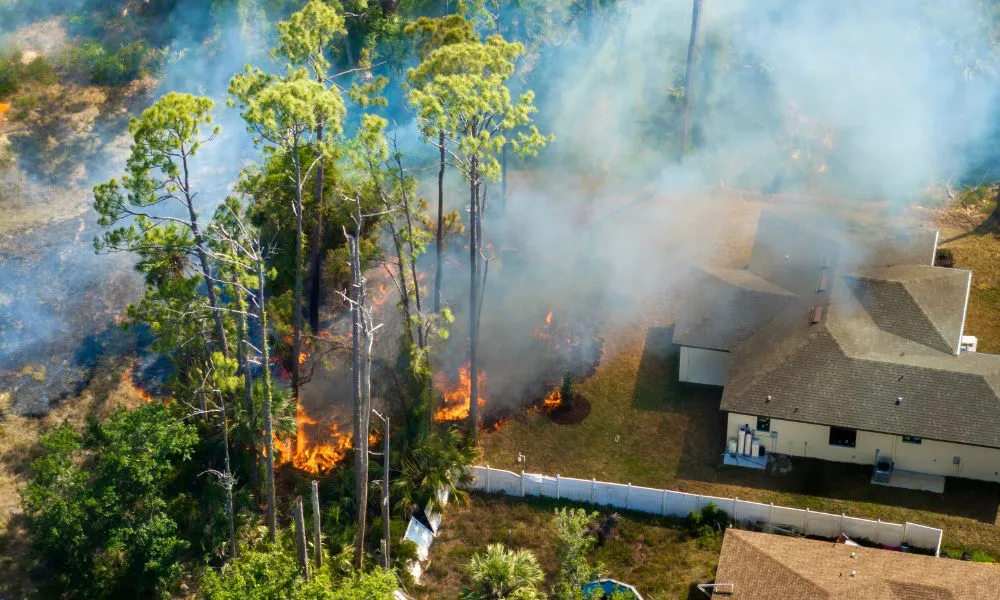
The Zone 0 rules focus on the first five feet surrounding structures located in State Responsibility Areas (SRAs) and Very High Fire Hazard Severity Zones (VHFHSZs) within Local Responsibility Areas. The regulations mandate the removal of combustible materials such as firewood, wood mulch, and accumulated debris from this critical zone. Homeowners are allowed to maintain certain plants and existing trees, provided they meet specific criteria.
Key Requirements of Zone 0
- A vegetation-free area must extend at least one foot from the structure or to the edge of its eaves, whichever is greater.
- Vegetation must be kept two feet away from windows, doors, and vents.
- Five feet of clearance is required from attached decks and similar features.
- Local fire agencies can authorize alternative practices based on factors like topography and fire risk, provided they achieve similar safety outcomes.
The Implications for Homeowners and Insurers
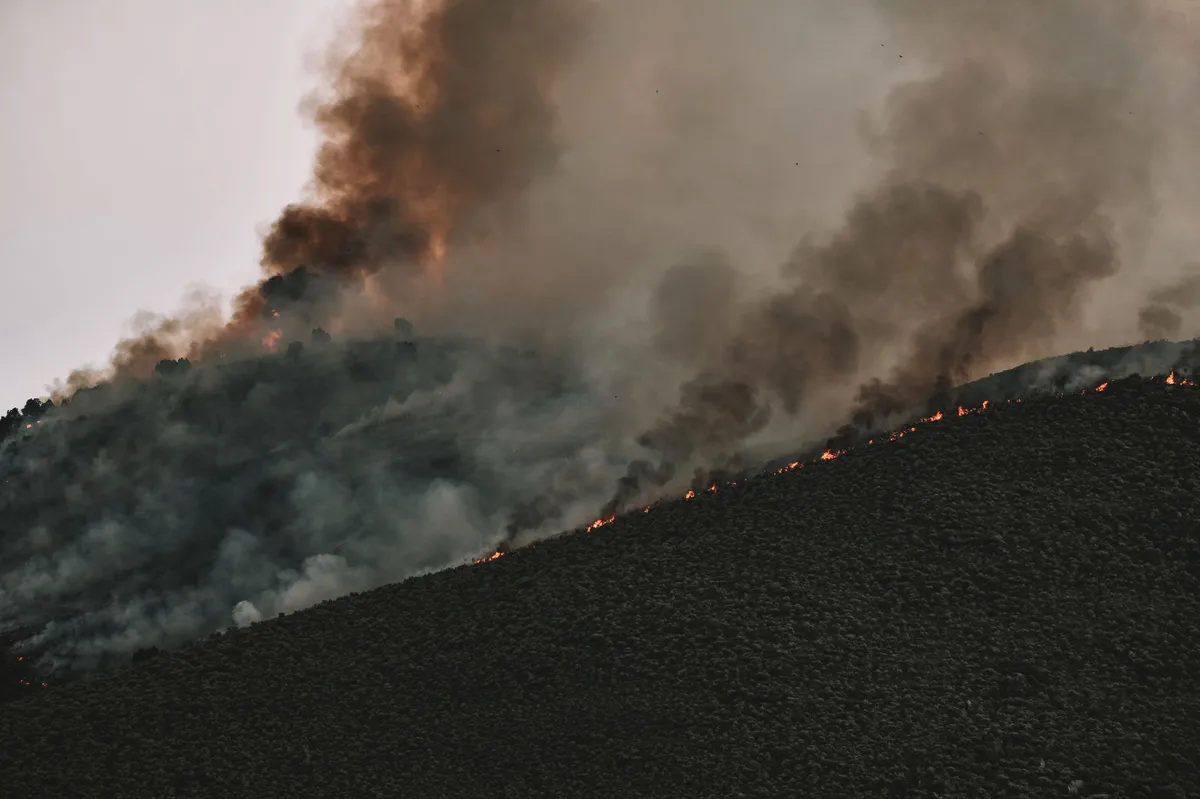
While the newly implemented Zone 0 regulations provide a structured approach to wildfire mitigation, they do not guarantee a discount on insurance premiums or an offer of coverage. Insurers in California are required to provide individual credits or discounts for certain wildfire mitigation measures under the Safer from Wildfires program. However, compliance with Zone 0 is just one component of a much larger insurance landscape.
The California Department of Insurance has established that insurers can develop their own verification procedures for wildfire mitigation. If an insurer requires a property inspection to validate compliance, they must offer a free inspection option and accept evaluations from CAL FIRE or local fire departments. Homeowners who complete mitigation measures can request a reassessment of their wildfire risk score, which insurers must update within 30 days.
Local Variability and Its Impact
The introduction of flexibility in local implementation of the Zone 0 standards raises questions about the consistency of wildfire safety measures across California. Local governments have the option to pursue alternative practices that may not align perfectly with the state’s regulations, which could weaken the intended effectiveness of the Zone 0 standard.
The American Property Casualty Insurance Association (APCIA) highlighted the potential pitfalls of local flexibility, stating that while the regulation serves as an important starting point, it should be seen as a minimum standard. If local authorities prioritize flexibility over strict adherence to the Zone 0 guidelines, communities may face increased fire risks, undermining the very purpose of these regulations.
The Role of Insurance in Wildfire Mitigation
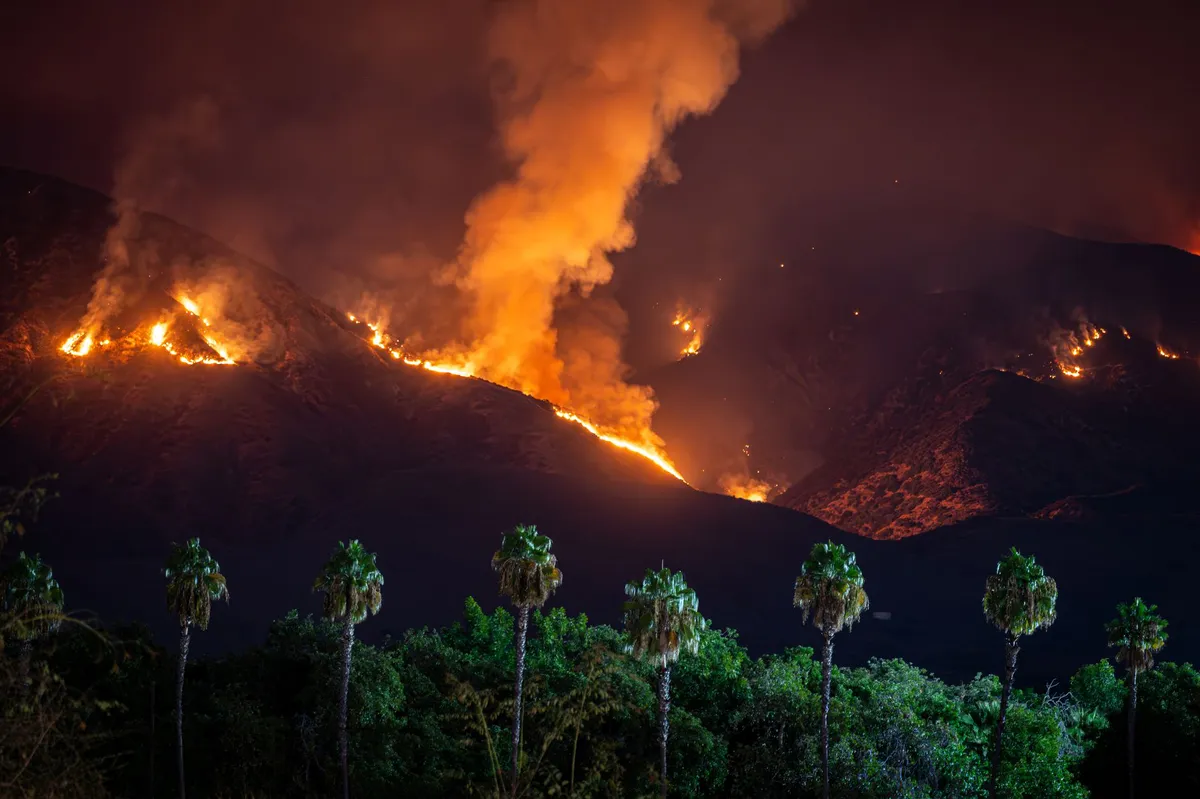
Insurance companies are increasingly integrating wildfire risk assessments into their underwriting processes. The California FAIR Plan, the state's insurer of last resort, has seen a dramatic increase in policies, reflecting the growing need for coverage in wildfire-prone areas. As of June 2026, the FAIR Plan reported over 696,000 policies in force, a 157% increase from the previous year, with written premiums soaring to over $2 billion.
Insurance Commissioner Ricardo Lara has emphasized the importance of standardized and verifiable wildfire mitigation in influencing insurance costs. Discounts available through the Safer from Wildfires program can range from 4% to more than 40% based on a variety of factors, including property characteristics and completed mitigation measures. The introduction of forward-looking wildfire catastrophe models in ratemaking signifies a shift towards more detailed and community-oriented risk assessments, taking mitigation efforts into account.

Key Takeaways
- California's Zone 0 regulations create a critical five-foot safety perimeter around structures in wildfire-prone areas.
- Compliance does not guarantee insurance discounts or coverage; homeowners must actively engage with their insurers.
- Local flexibility in implementing these regulations could lead to inconsistencies in wildfire safety measures.
- Insurance companies are increasingly recognizing the importance of wildfire mitigation in pricing and underwriting.
- Homeowners should stay informed and proactive regarding their wildfire risk assessments and mitigation measures.
Frequently Asked Questions
What is the Zone 0 standard, and why was it implemented?
The Zone 0 standard is a set of regulations established by California to create a defensible space around properties located in high-risk wildfire areas. It aims to minimize the risk of fire damage by requiring the removal of combustible materials within the first five feet of structures. This initiative was implemented in response to the increasing frequency and severity of wildfires in California, seeking to enhance fire safety and protect properties.
How does compliance with Zone 0 affect my insurance premiums?
While compliance with the Zone 0 standard is crucial for fire safety, it does not automatically guarantee a discount on your insurance premiums. Insurers in California are required to offer discounts for specific mitigation measures, but each insurer has its own criteria for assessing risk and determining rates. Homeowners should consult with their insurance agents to understand how their compliance with Zone 0 may impact their individual policies.
Can local governments modify the Zone 0 regulations?
Yes, local governments in California have the authority to modify the implementation of the Zone 0 regulations. Fire agencies can authorize alternative practices based on local factors such as topography and building design. However, these alternatives must achieve similar safety outcomes as the state regulations. This flexibility raises concerns about consistency in wildfire safety measures across different communities.
What should homeowners do to prepare for the Zone 0 requirements?
Homeowners should take proactive steps to comply with the Zone 0 requirements, including clearing combustible materials from the designated safety area around their homes. It is also advisable to consult with local fire authorities or landscape professionals to ensure that any maintained plants or trees meet the specified conditions. Engaging with insurance providers to understand potential impacts on risk assessments and premiums is also crucial for effective wildfire mitigation.
Comments
Surging Demand for E&S Homeowners Insurance: A New Landscape in the Heartland
The excess and surplus lines homeowners insurance market is evolving, driven by severe weather events and admitted carrier pullbacks. Discover how hail damage and convective storms are reshaping the insurance landscape across the U.S. interior.
Related articles

Popular in Home Insurance
- 2026 Sees Below-Average Severe Convective Storm Losses: What It Means for Insurance
- El Niño and Wildfires: Preparing for a Fire-Prone Future
- Young Affluent Collectors: The Underinsurance Dilemma in Luxury Investments
- Wisconsin Property Owner Sues City and Insurers Over Contamination Cleanup Costs
- Rising Catastrophe Risks: How Europe’s Insurers Are Adapting to Climate Change