Los Angeles Heat Wave Intensifies Wildfire Risk in the Southwest
As Los Angeles enters a prolonged heat wave with temperatures soaring near 100°F, the risk of wildfires escalates in Southern California. This article explores the implications of extreme heat on vegetation, fire danger, and what residents can do to prepare.
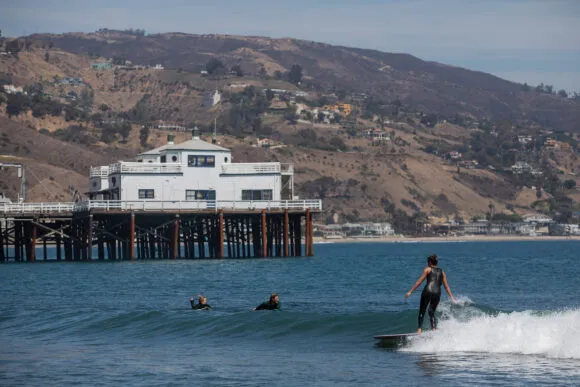
Los Angeles is currently grappling with a severe heat wave, with temperatures expected to soar near 100°F (38°C) in the downtown area and even higher in the San Fernando Valley. This extreme weather is not just uncomfortable; it significantly heightens the risk of wildfires across Southern California. The region is experiencing a meteorological scenario where a high-pressure system, which has already impacted Texas, is pushing into California, leading to dangerously dry conditions that are ripe for fire.
The National Weather Service has issued heat alerts that stretch from Santa Barbara down to the U.S.-Mexico border, covering over 200 miles. With daily highs predicted to reach around 110°F in some inland areas, the implications for both residents and the surrounding environment are profound. This article delves into the causes of this heat wave, the heightened risk of wildfires, and the necessary precautions residents can take to safeguard themselves and their properties.
Understanding the Heat Wave's Origins
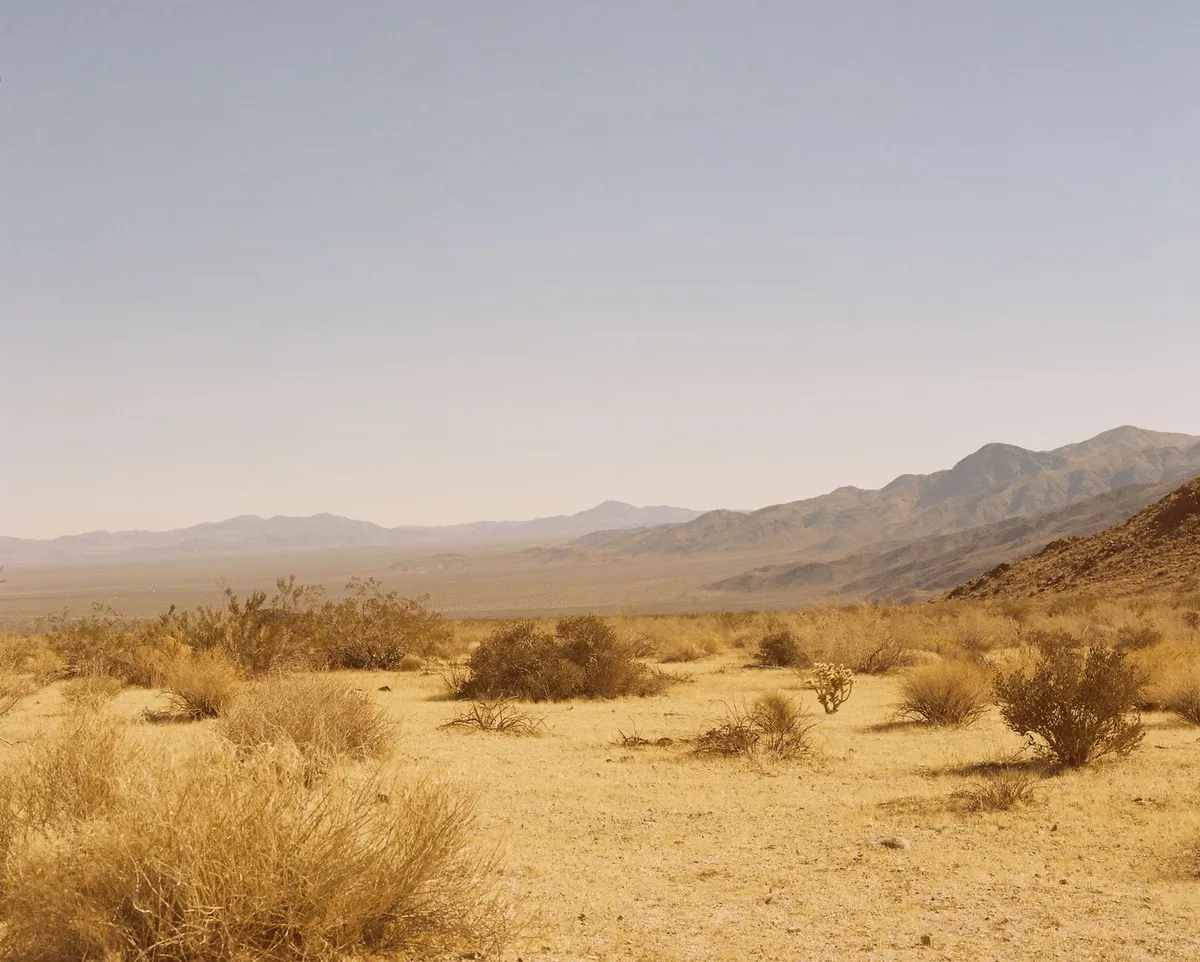
The current heat wave in Los Angeles and its surrounding areas is attributed to a weather system that has migrated from Texas. This system is characterized by high pressure that not only raises temperatures but also strips moisture from the land. According to Cody Snell, a meteorologist at the U.S. Weather Prediction Center, the ongoing dryness has already set the stage for increased fire hazards, as vegetation becomes parched and vulnerable.
Moreover, the combination of high temperatures and low humidity creates a critical situation. Vegetation that would typically be resilient in milder climates is now at risk of igniting with even the slightest spark. As Snell noted, “Any wind at all” could fan the flames of a wildfire, transforming a small fire into a catastrophic event.
The Current Fire Risk Landscape
The fire risk in Los Angeles and Southern California is particularly concerning for several reasons:
- Year-Round Fire Season: Fire season in California has evolved into a year-round threat, driven by climate change and shifting weather patterns.
- Santa Ana Winds: While the onset of Santa Ana winds typically marks the height of fire danger in late fall and winter, the current conditions are reminiscent of those dangerous periods.
- Vegetation Health: With ongoing drought conditions, vegetation is already primed to catch fire, creating a precarious situation for firefighters and residents alike.
In Santa Barbara County, the weather service has forecasted extremely warm “sundowner” winds, which can exacerbate the fire risk as they sweep down from the mountains each night, further drying out the landscape.
Impact on Residents and Communities
The implications of this heat wave extend beyond mere discomfort; they pose significant risks to public health and safety. Residents are advised to take precautionary measures to protect themselves and their properties. Here are some critical steps to consider:
- Stay Hydrated: Drink plenty of water to avoid heat-related illnesses.
- Limit Outdoor Activities: Avoid strenuous activities during peak heat hours, typically between 10 a.m. and 4 p.m.
- Create Defensible Space: Property owners should maintain a defensible space around their homes by clearing brush and debris that could fuel a fire.
- Stay Informed: Keep abreast of local weather reports and fire advisories.
Communities are also encouraged to develop communication plans to ensure that everyone is informed in case of an evacuation order. With fires in California often spreading rapidly, timely information can make a crucial difference.
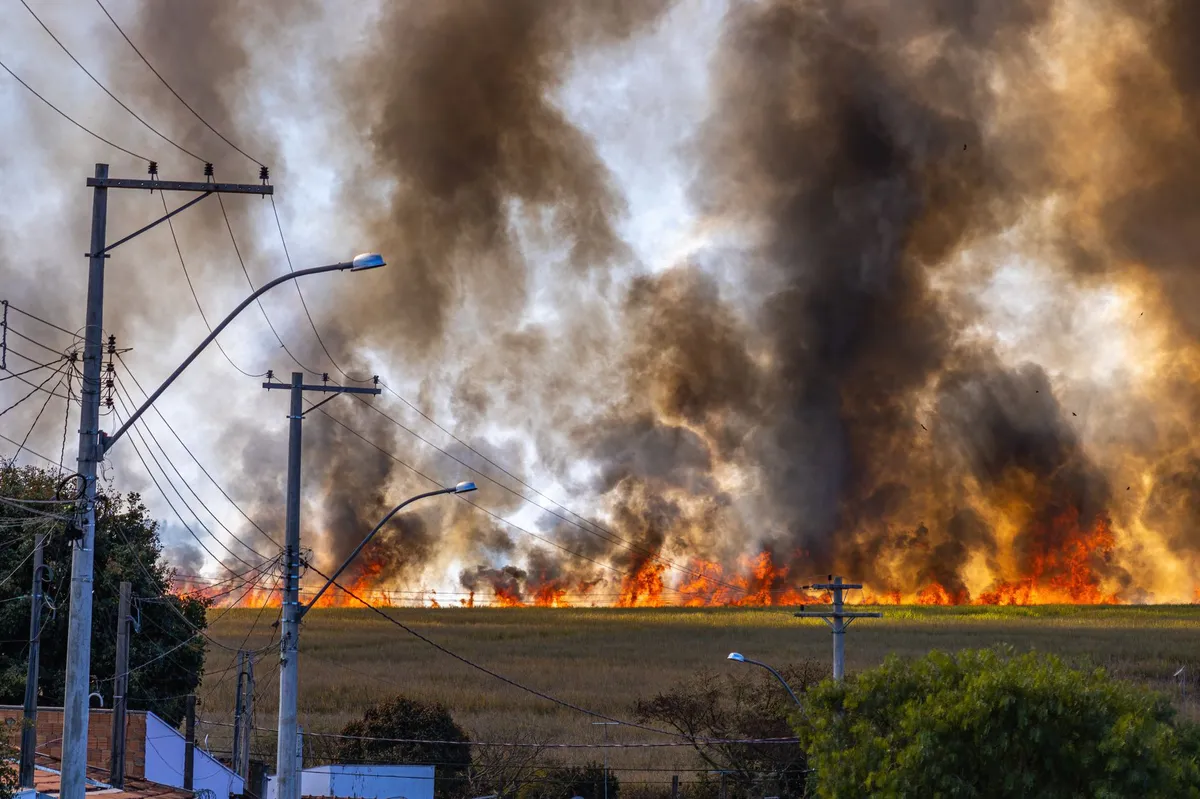
Insurance Considerations in the Face of Wildfire Risks
With the growing threat of wildfires, it’s essential for residents to reassess their insurance coverage. Here are a few points to keep in mind:
- Homeowners Insurance: Review your homeowners insurance policy to ensure it covers wildfires, which are increasingly a common occurrence in California.
- Wildfire Coverage Limitations: Understand that some policies may have limitations or exclusions regarding wildfire damage, and consider additional coverage if necessary.
- Document Property: Keep a detailed inventory of your belongings and document any property improvements to ensure you are adequately covered in the event of a loss.
Engaging with an insurance agent can provide clarity on what your policy covers and help you make informed decisions about any necessary adjustments.

Future Outlook: Climate Change and Fire Risks
The increasing frequency and intensity of heat waves and wildfires are largely attributed to climate change, which has profound implications for the future of fire risk management in California. As temperatures continue to rise and weather patterns shift, the risk of wildfires will likely escalate, making it imperative for residents to adapt their strategies for safety and preparedness.
Experts suggest that investing in community resilience—such as firebreaks, controlled burns, and improved emergency response systems—will be essential in mitigating the risks of wildfires. Additionally, public education campaigns aimed at increasing awareness and preparedness can significantly impact community safety.
Key Takeaways
- The current heat wave in Los Angeles poses significant wildfire risks due to extreme dryness.
- Residents should take preventive measures to protect themselves and their properties.
- Review and understand your insurance coverage to ensure adequate protection against wildfires.
- Community resilience and public education are crucial in mitigating future wildfire risks.
Frequently Asked Questions
What should I do to prepare for a potential wildfire?
Preparing for a potential wildfire involves several key actions. First, create a defensible space around your property by clearing away brush and debris. Ensure that your home is equipped with fire-resistant materials and is well-maintained. Additionally, develop an evacuation plan with your family and stay informed about local fire advisories and weather updates. Having an emergency kit ready with essentials can also be lifesaving.
How is the insurance industry adapting to wildfire risks?
The insurance industry is increasingly recognizing the need to adapt to the rising risks associated with wildfires. Insurers are refining their underwriting processes to assess fire risks more accurately, which may involve using advanced technology and data analytics. Some companies are also offering specialized wildfire coverage options to help homeowners better protect their assets. Moreover, insurers are encouraging policyholders to implement fire prevention measures in exchange for potential discounts on premiums.
What can local governments do to help residents prepare for wildfires?
Local governments play a crucial role in wildfire preparedness by implementing community-wide fire safety programs, conducting controlled burns, and maintaining firebreaks. They can also provide resources for residents to educate themselves on fire safety and preparedness. Additionally, local governments can establish clear communication channels to keep residents informed during emergencies, ensuring that timely information is disseminated and residents know how to respond.
Comments
Nevada Wildfire Tests New Insurance Exclusion Law Amid Evacuations
A growing wildfire near Reno highlights the implications of Nevada's new wildfire exclusion law, affecting thousands of residents as they navigate their insurance coverage.
Related articles
Popular in Home Insurance
- 2026 Sees Below-Average Severe Convective Storm Losses: What It Means for Insurance
- El Niño and Wildfires: Preparing for a Fire-Prone Future
- Young Affluent Collectors: The Underinsurance Dilemma in Luxury Investments
- Wisconsin Property Owner Sues City and Insurers Over Contamination Cleanup Costs
- Rising Catastrophe Risks: How Europe’s Insurers Are Adapting to Climate Change