Nevada Wildfire Tests New Insurance Exclusion Law Amid Evacuations
A growing wildfire near Reno highlights the implications of Nevada's new wildfire exclusion law, affecting thousands of residents as they navigate their insurance coverage.
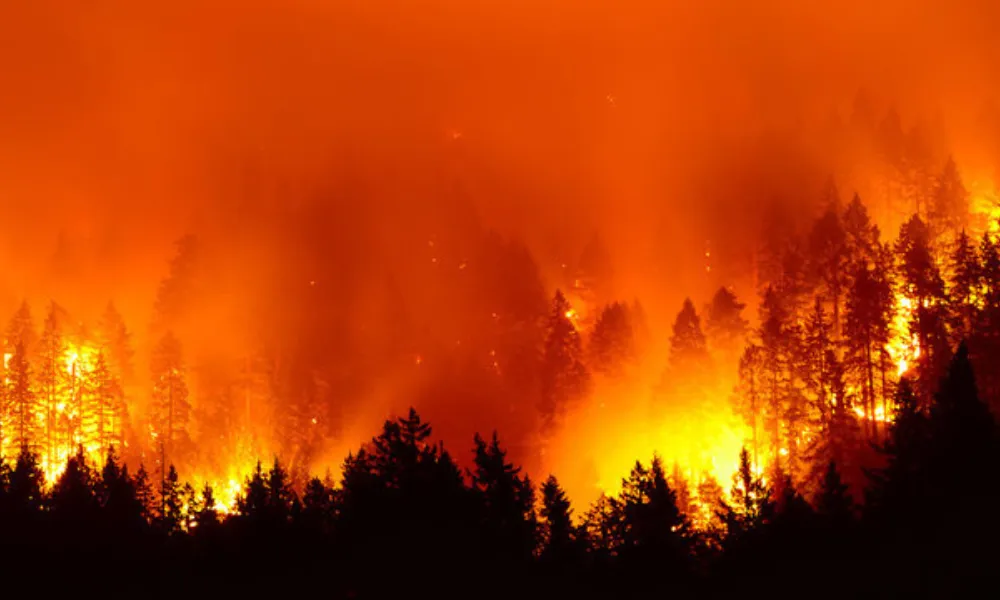
As flames rage on the outskirts of Reno, Nevada, a wildfire has quickly escalated to a staggering 15,000 acres, prompting urgent evacuation orders for approximately 90,000 residents. The Reno Fire Department cautioned that the blaze, which first ignited on Saturday morning, could remain active for another 48 hours due to ongoing dry and windy conditions. This catastrophic event has raised serious concerns not only for the safety of those affected but also for the implications it holds for property insurance in the state, particularly in light of new legislation that could radically alter wildfire coverage.
Governor Joe Lombardo's declaration of a state of emergency for Washoe County and the Reno-Sparks Indian Colony underscores the severity of the situation. With the dry climate and an invasive grass population that fuels rapid fire spread, Nevada has long been vulnerable to wildfires. According to BBC Weather's Matt Taylor, the shifting winds will play a critical role in determining the fire's behavior in the coming days—pushing it towards urban areas during the day and favoring firefighters at night.
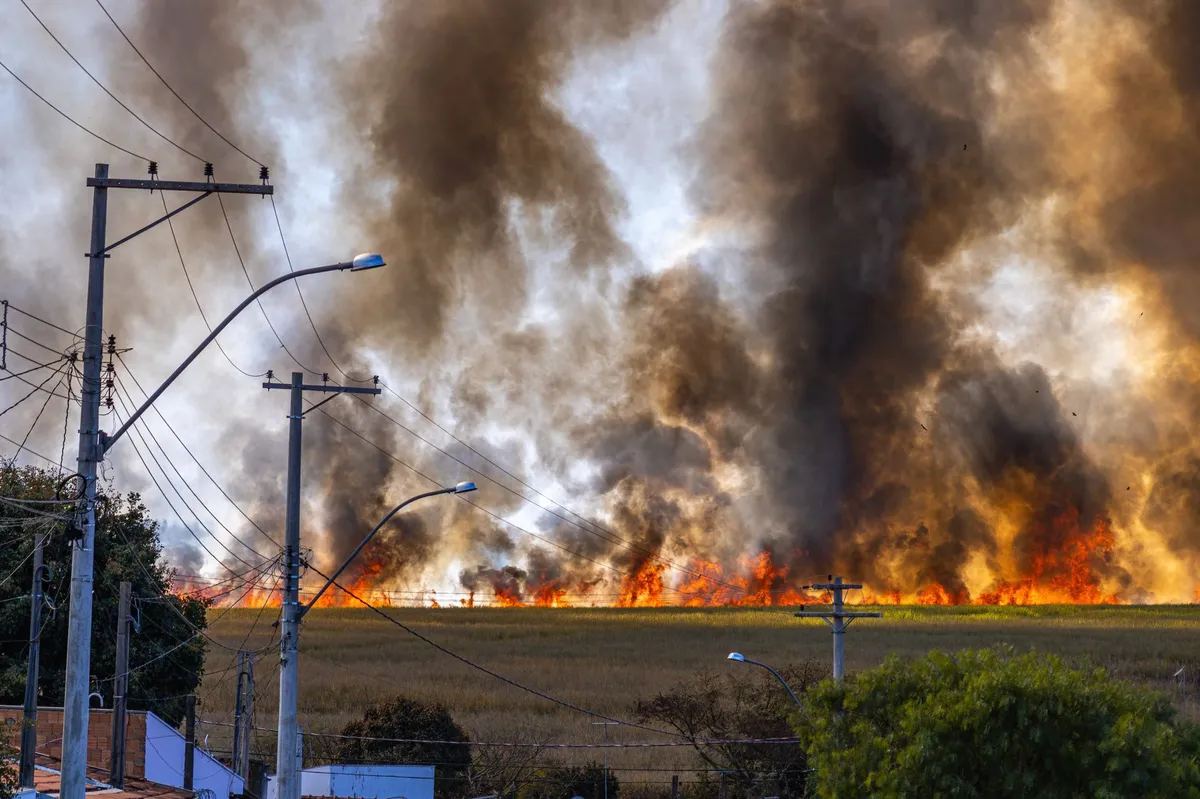
The Context of Wildfires in Nevada
Nevada's wildfire risk is not a new phenomenon. The state has seen significant fire events in recent years, such as the Pinehaven Fire in 2020, which devastated five homes and led to the evacuation of over 1,300 households, and the 2024 Davis Fire, which resulted in 14 destroyed structures and approximately 20,000 evacuations. However, the current wildfire is notably the first significant event since Assembly Bill 376 took effect on January 1, 2026. This law permits insurers to exclude wildfire coverage from standard homeowners' policies, a change that could leave many residents unprotected in the face of disaster.
Understanding Assembly Bill 376
Passed unanimously in June 2025, Assembly Bill 376 was designed as a regulatory sandbox, allowing insurers to experiment with new coverage structures while ensuring they remained active in the Nevada market. The law was a direct response to the alarming trend of rising non-renewals for homeowners' policies linked to wildfire risks. In 2023 alone, the Nevada Division of Insurance recorded 481 cancellations due to wildfire concerns, representing an 82% increase from the previous year.
Critically, Nevada is one of the few states without a FAIR Plan—an insurance program designed to provide coverage for high-risk homeowners who cannot secure standard policies. A proposed companion bill to create such a plan died in the same legislative session, leaving many residents without a safety net as insurers begin to exercise their new powers under AB 376.

The Implications for Homeowners
For homeowners in affected areas, the current wildfire presents a stark reality: many may now discover gaps in their insurance coverage that they were previously unaware of. As the Nevada Division of Insurance recently reminded residents, it is crucial to review homeowners, renters, or condominium policies to understand what damages are covered. While many standard policies still provide coverage for physical fire damage, smoke damage, and additional living expenses, the new carve-out structure means that some homeowners may not be covered for wildfire-related damages at all.
Claims Process Complications
The central challenge for insurance adjusters dealing with claims from this wildfire will not simply be assessing fire damage but rather determining which policyholders are covered under traditional policies versus those with carved-out structures. This distinction is particularly important as many homeowners may not have fully understood their policy changes prior to the wildfire.
For brokers and agents serving clients in Nevada, particularly in high-risk areas like Reno, Incline Village, and Lake Tahoe, this wildfire underscores the importance of proactive communication with clients about their coverage status. As consumer advocates have warned, waiting for a loss to reveal coverage gaps can lead to devastating financial consequences for homeowners.

Preparing for Future Wildfires
As the Reno wildfire continues to burn, it's essential for residents to take stock of their insurance coverage and prepare for future events. Here are some steps homeowners should consider:
- Review Policies: Homeowners should thoroughly review their existing insurance policies to understand their coverage, including any exclusions for wildfire damage.
- Communicate with Agents: Regularly engage with insurance agents to confirm coverage status and inquire about potential gaps or changes in policy.
- Consider Additional Coverage: Explore options for separate wildfire insurance or endorsements that may provide additional protection against fire risks.
- Stay Informed: Keep abreast of changes in state legislation affecting insurance coverage and wildfire risk management.
- Prepare for Evacuations: Have an emergency plan in place that includes evacuation routes and a list of important documents, including insurance policies.
Key Takeaways
- The Reno wildfire has grown to 15,000 acres, prompting mass evacuations.
- Nevada's Assembly Bill 376 allows insurers to exclude wildfire coverage from standard policies.
- Homeowners should review their insurance policies to identify potential coverage gaps.
- Brokers must proactively communicate with clients in high-risk areas to ensure they understand their coverage.
Frequently Asked Questions
What should I do if I have a wildfire exclusion in my policy?
If your homeowners' insurance policy has a wildfire exclusion, it's crucial to understand the extent of your coverage. Reach out to your insurance agent for clarity on what your policy covers and whether you can purchase additional wildfire insurance or endorsements to fill the gap. Consider reassessing your coverage needs based on your property's risk factors.
How can I find out if my insurance policy covers wildfire damage?
The best way to determine if your policy covers wildfire damage is to review your insurance documents carefully. Look for sections detailing coverage limits and any specific exclusions related to wildfires. If you're unsure, contacting your insurance agent can provide you with the necessary information and help clarify any ambiguities.
What resources are available for homeowners facing high wildfire risks?
Homeowners can access various resources to help manage wildfire risks, including state and federal emergency management agencies, local fire departments, and insurance regulators. These organizations often provide educational materials on fire safety, evacuation planning, and insurance options tailored to high-risk areas. Engaging in community preparedness initiatives can also be beneficial.
Will insurance companies be required to cover wildfire damage in the future?
While current regulations in Nevada allow insurers to exclude wildfire coverage, the future may see changes based on ongoing discussions about consumer protection and insurance availability. Advocacy for FAIR Plans and other safety nets may influence legislation moving forward. Homeowners should stay informed about potential changes in their state's insurance laws and consider advocating for policies that protect consumers against wildfire risks.
Comments
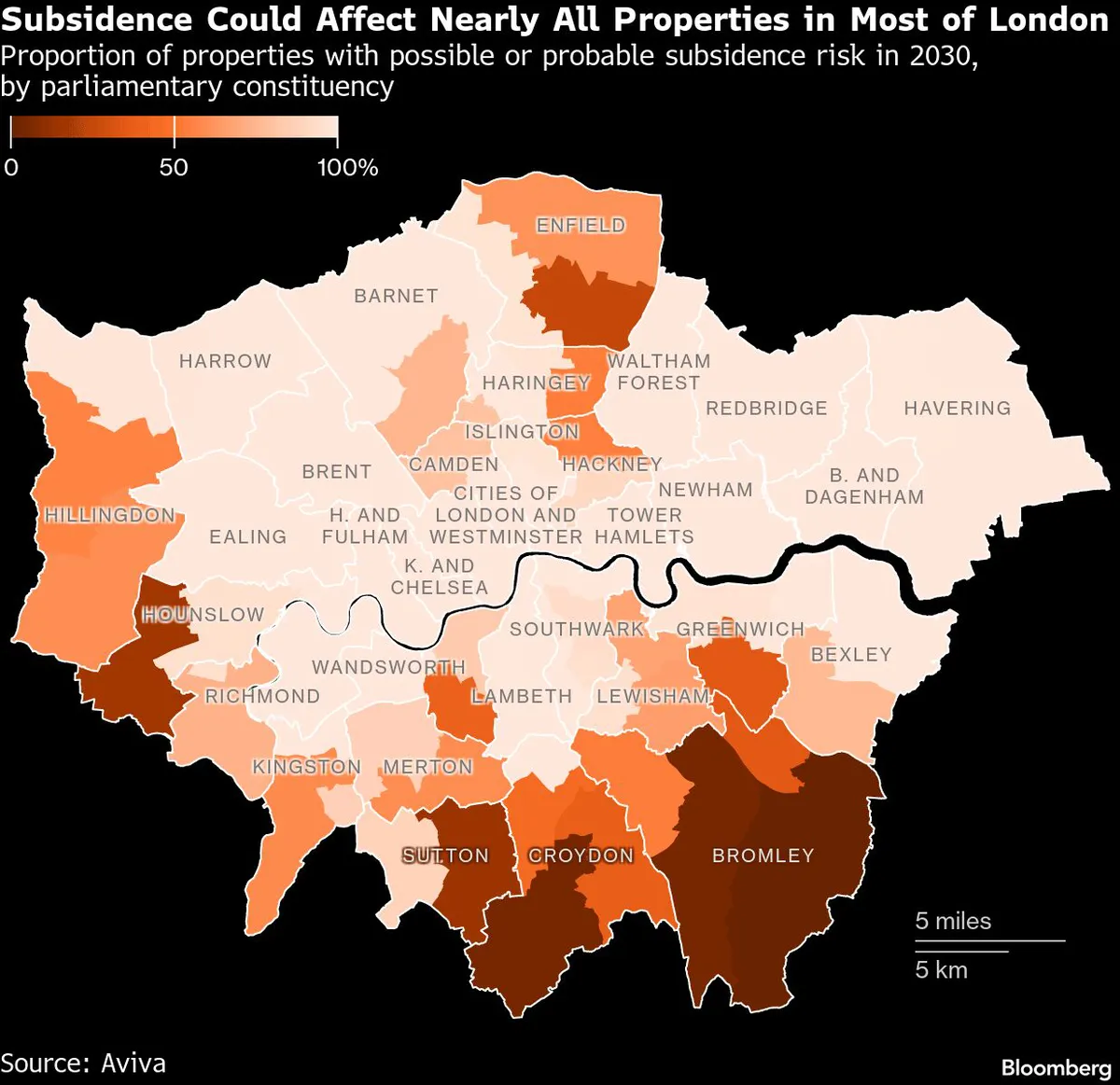
London Faces Rising Subsidence Risks Amid Heat Waves: What Homeowners Need to Know
As heat waves persist, London homeowners are confronting alarming levels of subsidence, leading to record insurance claims and heightened concerns about property stability. This article delves into the causes, implications, and necessary steps homeowners should take.
Related articles

Popular in Home Insurance
- 2026 Sees Below-Average Severe Convective Storm Losses: What It Means for Insurance
- El Niño and Wildfires: Preparing for a Fire-Prone Future
- Young Affluent Collectors: The Underinsurance Dilemma in Luxury Investments
- Wisconsin Property Owner Sues City and Insurers Over Contamination Cleanup Costs
- Rising Catastrophe Risks: How Europe’s Insurers Are Adapting to Climate Change