London Faces Rising Subsidence Risks Amid Heat Waves: What Homeowners Need to Know
As heat waves persist, London homeowners are confronting alarming levels of subsidence, leading to record insurance claims and heightened concerns about property stability. This article delves into the causes, implications, and necessary steps homeowners should take.
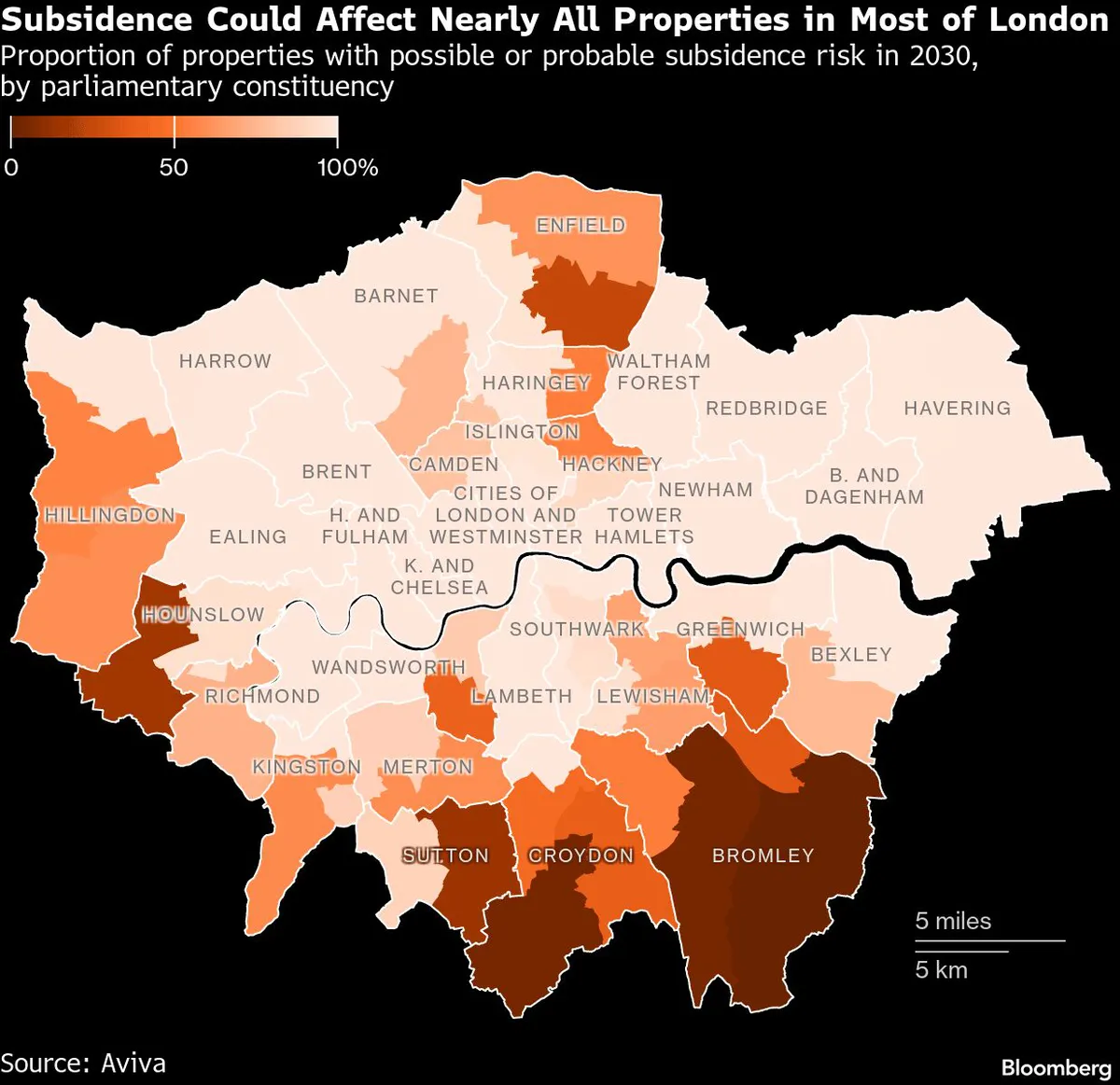
London is experiencing an alarming trend as successive heat waves dry out the clay soil beneath its historic buildings, leading to significant subsidence risks. Homeowners across the city are reporting "horrendous" cracks in their homes, a phenomenon that has prompted record insurance claims and widespread concern. With climate change exacerbating these conditions, it’s crucial for residents to understand the implications of subsidence and how to navigate this evolving landscape.
The Association of British Insurers (ABI) recently reported that claims related to subsidence have surged, with households claiming an average of £20,000 (approximately $27,200) for damages, marking a 15% increase from the prior year. The increasing frequency of extreme heat events has set a worrying precedent, suggesting that the trend is likely to continue. As Laura Hughes, head of general insurance at the ABI, succinctly put it, "We expect to see more subsidence cases because of the hot weather." This situation not only threatens the structural integrity of homes but also poses financial challenges for homeowners and insurers alike.
Understanding Subsidence: What Is It and Why It Matters
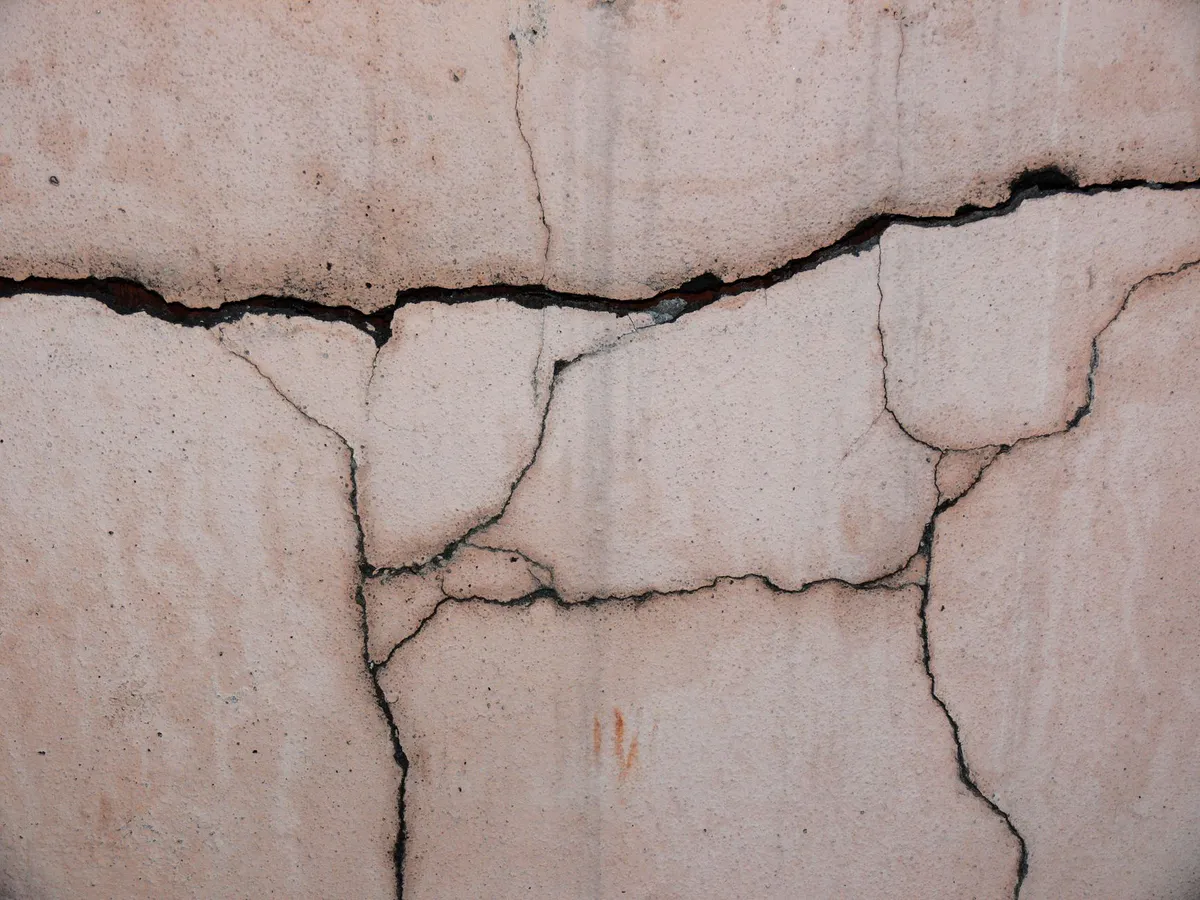
Subsidence occurs when the ground beneath a building shifts or sinks, often due to the drying and shrinking of clay soils during periods of extreme heat. In London, much of the architecture sits atop these sensitive clay layers, which expand when wet and contract when dry.
The Science of Subsidence
The impact of climate change on subsidence is significant, as it leads to more frequent and intense heat waves. According to the British Geological Survey, an estimated 1.8 million properties in the U.K. could face shrink-swell subsidence by 2070 under current climate policies. This figure could rise to 4.2 million under higher emissions scenarios, highlighting a growing risk for homeowners in densely populated areas like London, Kent, and the southeast.
Financial Implications for Homeowners
Subsidence can devalue properties by an average of 20%-25%, according to the Federation of Master Builders. As the costs of repairs mount, many homeowners face difficult choices. The traditional engineering fix known as underpinning can range from £20,000 to over £100,000, prompting some homeowners to consider self-funding repairs instead of navigating complex insurance claims processes.
Record Claims and Rising Insurance Costs
The surge in subsidence cases poses a significant challenge for U.K. home insurers. In the four years leading up to 2025, insurance payouts for subsidence damage increased by nearly 90%, totaling £297 million. The ABI warns that insurers may face losses due to rising claims, which are becoming a more considerable portion of their payout obligations. Cherry Chan, a partner at Deloitte, emphasizes that subsidence, along with flash floods and wildfires, represents an increasingly material climate-related risk that insurers must manage prudently.

Experiencing Subsidence: What Homeowners Should Look For
Homeowners in London are becoming increasingly aware of the signs of subsidence. Common indicators include:
- Cracks in walls and ceilings, particularly around windows and doors.
- Doors and windows that stick or don’t close properly.
- Uneven or sloping floors.
- Visible gaps between walls and floors or ceilings.
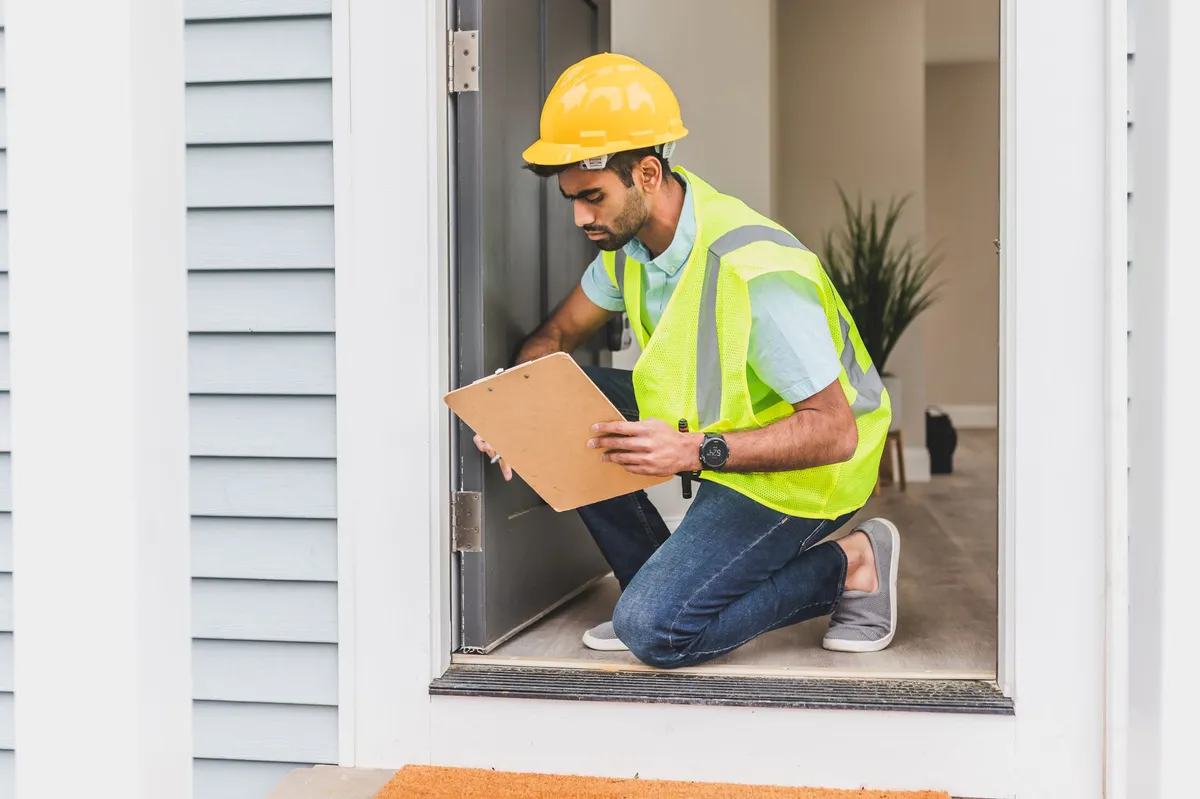
If you notice any of these problems, it’s crucial to act quickly. The first step is to consult a structural engineer to assess the situation. Many homeowners have reported a sharp rise in inquiries to engineering firms, with some companies receiving hundreds of claims in a single day.
Long-Term Solutions and Preventive Measures
While immediate repairs can alleviate some issues, long-term solutions are necessary to mitigate future risks. Homeowners can consider the following strategies:
1. Landscape and Drainage Adjustments
Proper landscape management can help mitigate moisture fluctuations in the soil. Ensuring that drainage systems are effective and directing water away from foundations can reduce the risk of subsidence.
2. Foundation Inspection and Reinforcement
Regular inspections of foundations, particularly in older Victorian and Edwardian homes, can identify vulnerabilities. Reinforcing foundations may be necessary in areas prone to subsidence.
3. Insurance Review
Homeowners should regularly review their insurance policies to ensure adequate coverage for subsidence-related damages. Given the rising costs associated with these claims, understanding policy limits and exclusions is crucial.
Key Takeaways
- Subsidence claims in London have reached record levels, with average claims at £20,000.
- Climate change is exacerbating subsidence risks, particularly in sensitive clay areas.
- Homeowners should be vigilant for signs of subsidence and act quickly if they suspect issues.
- Long-term preventive measures can help mitigate risks, including proper drainage and foundation reinforcement.
- Reviewing insurance policies regularly is essential to ensure adequate coverage.
Frequently Asked Questions
What should I do if I suspect my home is experiencing subsidence?
If you suspect your home is suffering from subsidence, it’s important to consult a structural engineer immediately. They can assess the damage and recommend the best course of action. Be prepared to document any visible signs of subsidence, as this information will be critical for any potential insurance claims or repair processes.
How does climate change impact subsidence risk?
Climate change contributes to more frequent and severe heat waves, which can dry out clay soil and lead to subsidence. The British Geological Survey estimates that millions of properties in the U.K. could be at risk in the coming decades, making this an increasingly pressing issue for homeowners and insurers alike.
Can I handle subsidence repairs without insurance?
While it is possible to self-fund subsidence repairs, it can be costly. Underpinning and other repair methods can range from £20,000 to £100,000 or more. Many homeowners prefer to navigate the insurance claims process to cover these costs, but this can be complex and time-consuming.
Will subsidence affect my property’s value?
Yes, subsidence can significantly devalue a property, often by 20%-25%. This devaluation can make selling your home challenging. If subsidence is detected, it’s crucial to address the issue and consult with real estate professionals to understand its implications for your property’s market value.
Comments
Nevada Wildfire Tests New Insurance Exclusion Law Amid Evacuations
A growing wildfire near Reno highlights the implications of Nevada's new wildfire exclusion law, affecting thousands of residents as they navigate their insurance coverage.

Related articles

Popular in Home Insurance
- 2026 Sees Below-Average Severe Convective Storm Losses: What It Means for Insurance
- El Niño and Wildfires: Preparing for a Fire-Prone Future
- Young Affluent Collectors: The Underinsurance Dilemma in Luxury Investments
- Wisconsin Property Owner Sues City and Insurers Over Contamination Cleanup Costs
- Rising Catastrophe Risks: How Europe’s Insurers Are Adapting to Climate Change