California Wildfire Legislation Stalemate: Impacts and Future Considerations
California lawmakers have adjourned without passing a crucial wildfire bill, leaving utility companies and victims in uncertainty. This article explores the implications of this decision.
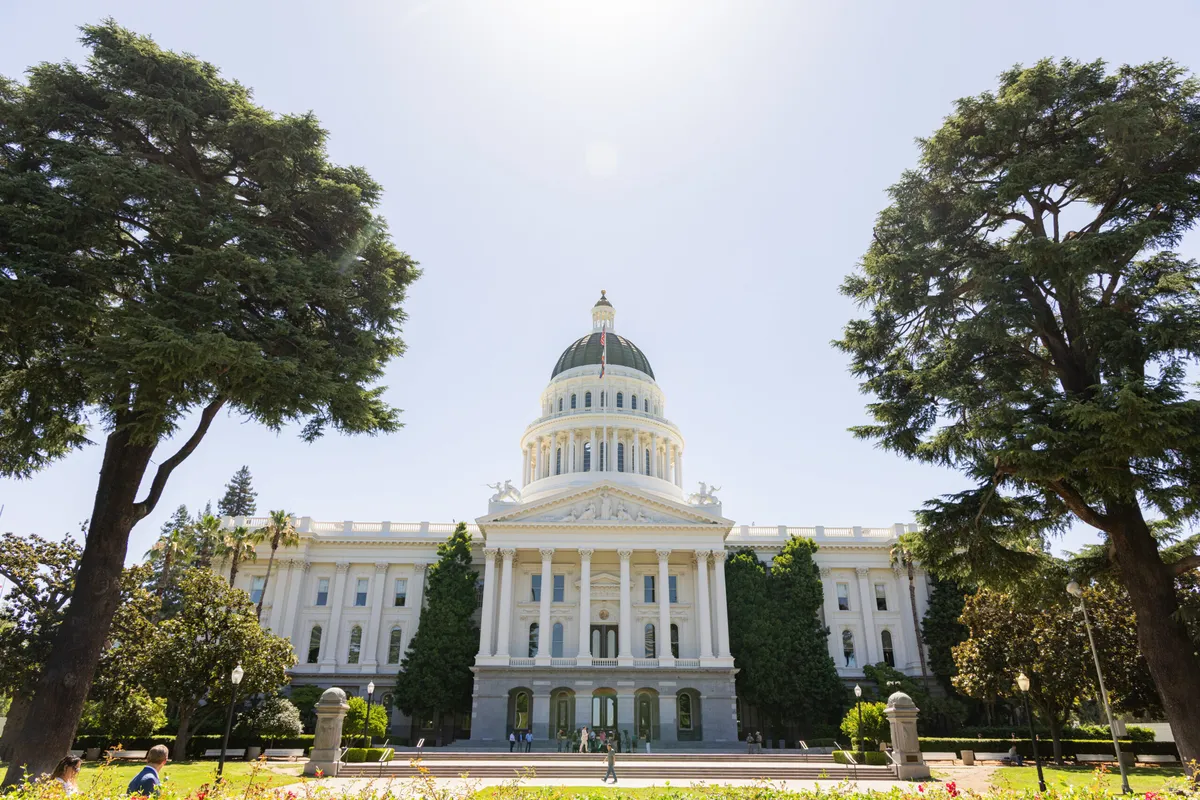
The recent adjournment of the California Assembly without voting on a significant wildfire response bill has left many stakeholders, from utility companies to wildfire victims, in a state of uncertainty. This legislative inaction is particularly concerning given California's ongoing struggles with devastating wildfires exacerbated by climate change, which have led to catastrophic losses and claims against utility providers. The failed bill was designed to reform how California manages wildfire risks, compensation for victims, and the liability framework for power companies, making its collapse a pivotal moment for the state's ongoing battle with wildfire management.
The repercussions of this legislative stalemate were immediate, with shares of major utilities such as PG&E Corp. and Edison International rising sharply, reflecting investor relief that the proposed reforms did not materialize. However, this apparent stability for utilities comes at a cost—uncertainty for the millions of Californians who are directly affected by wildfires, particularly those who have lost homes and livelihoods.
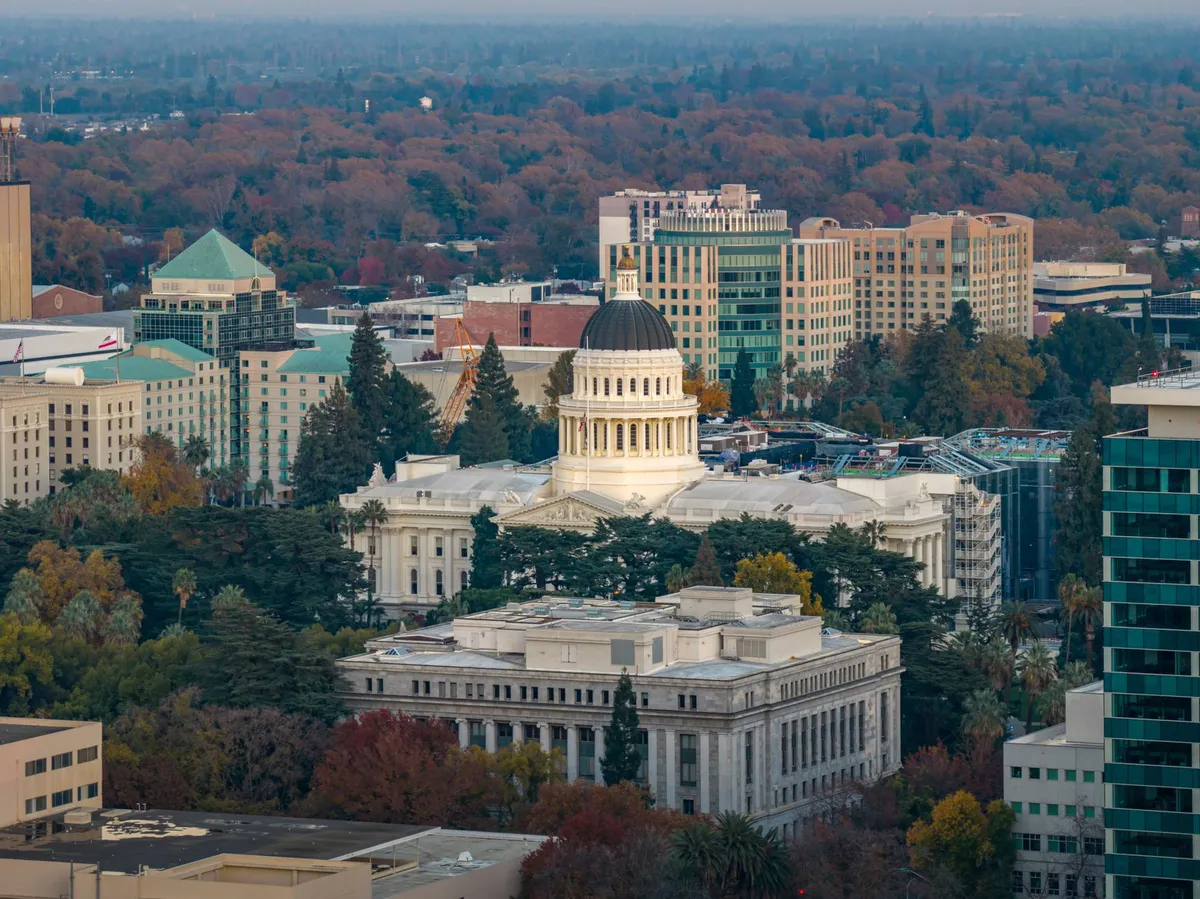
Understanding the Legislation and Its Implications
The failed wildfire legislation, primarily encapsulated in Senate Bill 492, aimed to address several critical issues surrounding wildfire liability and compensation. Notably, it sought to establish a fairer compensation system for wildfire victims and to create a sustainable Wildfire Fund to manage financial risks. However, the bill's collapse indicates deep-seated tensions between lawmakers, utility companies, and insurance providers regarding the most effective way to manage wildfire-related risks.
Key Provisions of the Proposed Bill
Among the several provisions that were part of the proposed legislation, the most contentious included:
- Prohibition on Lawsuits: The bill sought to prevent insurance companies from suing utility companies for the costs they incurred in compensating wildfire victims.
- Emotional and Non-Economic Damages: Governor Gavin Newsom advocated for higher standards for certain lawsuits related to emotional damages, which the utilities opposed.
- Utility Accountability: A measure to ban bonuses for utility executives involved in wildfires was included, aimed at ensuring accountability in financial practices.
- Expedited Payments: The legislation proposed a new program designed to accelerate payments to wildfire survivors, a critical need following recent catastrophic events.
The Stakeholders and Their Concerns
The legislative impasse has left various stakeholders questioning the future of wildfire management in California. Utility companies, such as PG&E and Edison International, expressed concerns that the proposed reforms did not adequately shield them from the financial repercussions of wildfire claims. In a joint letter to lawmakers, the CEOs of these utilities articulated their belief that the bill failed to deliver the necessary protection against liabilities arising from wildfires.
On the other side of the equation, homeowners and wildfire victims feel the weight of the legislative inaction. Many Californians have experienced loss due to wildfires, often exacerbated by utility infrastructure failures. As a result, these individuals are left vulnerable, with no clear pathway to compensation or recovery. The ongoing financial strain on homeowners is evident, as insurance premiums have skyrocketed, making it increasingly difficult for residents to secure affordable coverage.
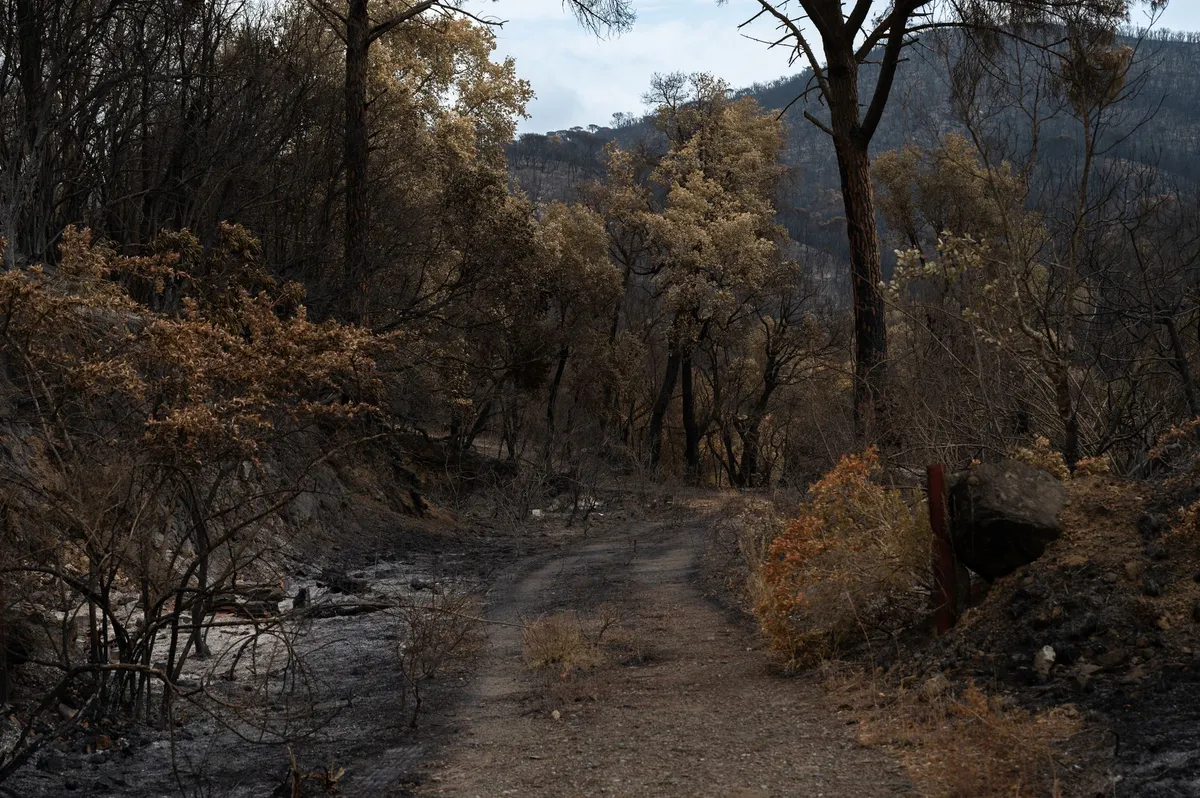
Market Reactions and Future Outlook
The immediate market reaction to the adjournment was telling. Shares for PG&E rose by 6%, while Edison’s shares increased by 8.9%, recovering from significant drops earlier in the week. This surge reflects investor confidence that a lack of new regulations might allow these companies to operate without the burdens of additional liabilities or financial restructurings imposed by the proposed legislation.
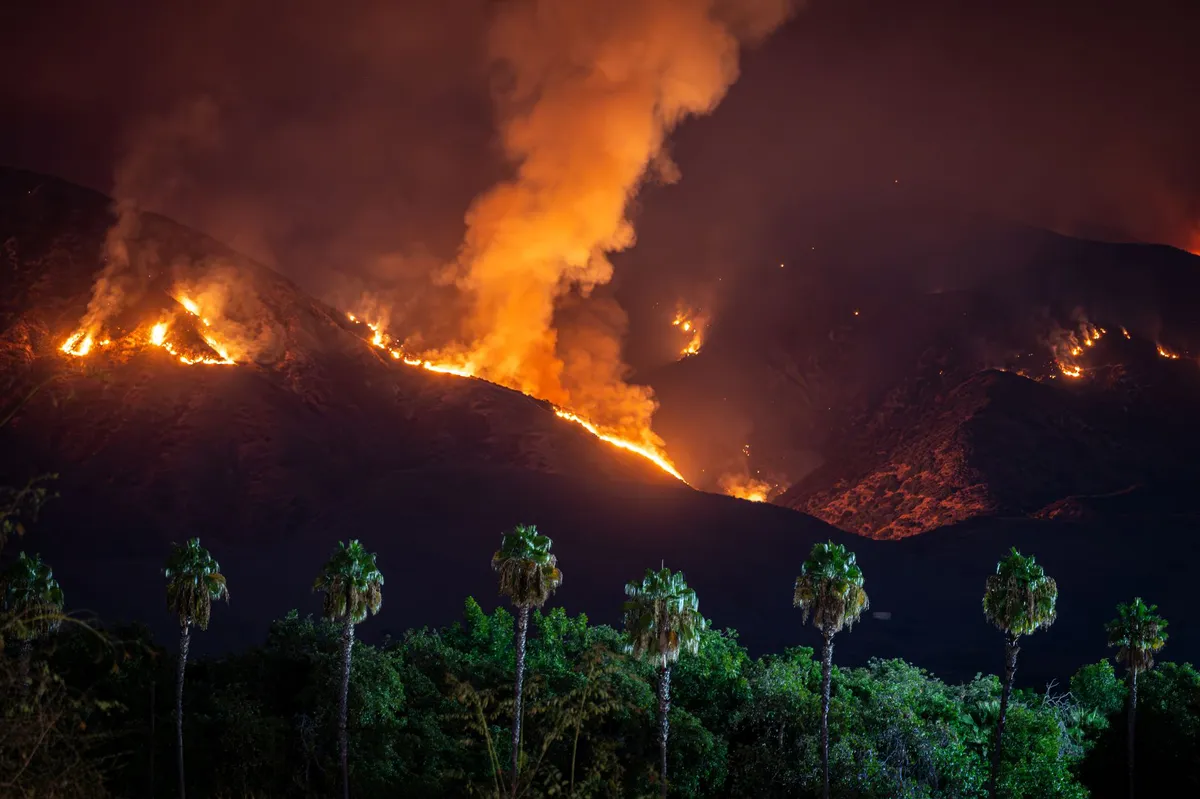
However, this short-term gain does not alleviate the long-term concerns. The failure to pass the bill raises troubling questions about the sustainability of wildfire management practices in California. As wildfires are expected to increase in frequency and intensity due to climate change, there is mounting pressure on lawmakers to find a resolution that balances the needs of utility companies with the rights of wildfire victims.
Political Ramifications and Legislative Future
The adjournment of the California Assembly has also ignited discussions about the potential for a special session called by Governor Newsom. Lawmakers have indicated a willingness to revisit the issue, with Assembly Speaker Robert Rivas stating that they would pursue further hearings this fall. This suggests that while the immediate legislative effort has stalled, there is still a commitment among some lawmakers to tackle the complex issues surrounding wildfire management in California.
This political landscape is crucial as California prepares for its next wildfire season. The absence of a solid legislative framework could lead to increased claims against utility companies, further complicating the financial landscape for both the utilities and the residents they serve. For homeowners, the ongoing uncertainty may translate into higher insurance premiums and reduced availability of coverage options, as insurers recalibrate their risk assessments in light of the recent legislative developments.
Key Takeaways
- The California Assembly's adjournment without a wildfire bill highlights ongoing tensions between utility companies and wildfire victims.
- Investor confidence in utilities surged following the legislative failure, but long-term challenges remain for wildfire management.
- Lawmakers plan to hold hearings on the issue this fall, indicating ongoing political engagement.
- The absence of reforms could lead to higher insurance rates and reduced coverage for homeowners in wildfire-prone areas.
- Stakeholders must continue to advocate for a balanced approach to wildfire risk management that protects both utilities and victims.
Frequently Asked Questions
What are the main consequences of the failed wildfire bill for California residents?
The failure of the wildfire bill means that California residents will continue to face uncertainty regarding compensation for wildfire damages. Homeowners may experience increased insurance premiums and limited options for coverage, as insurers adjust their risk assessments in light of the lack of legislative reform. Additionally, without a structured compensation framework, victims may struggle to recover after losses due to wildfires.
How do utility companies view the failed legislation?
Utility companies like PG&E and Edison expressed disappointment in the failed legislation, arguing that it did not provide adequate protection from liabilities associated with wildfire claims. They were particularly concerned about provisions that would have restricted their ability to manage financial risks adequately. The utilities' pushback reflects a desire to ensure that they can operate sustainably while facing the reality of increasing wildfire incidents.
Will lawmakers revisit the wildfire issue in the future?
Yes, lawmakers have indicated a commitment to revisiting the wildfire issue. Following the adjournment, Assembly Speaker Robert Rivas announced plans for future hearings, and Governor Newsom has not ruled out the possibility of a special session to address the ongoing wildfire crisis. This ongoing dialogue suggests that the conversation around wildfire management is far from over.
What should residents do in light of the current situation?
Residents in wildfire-prone areas should stay informed about legislative developments and consider reviewing their insurance coverage. It may be beneficial to discuss options with insurance agents to ensure they have adequate coverage and understand potential changes in premiums. Additionally, individuals can advocate for stronger wildfire management policies by engaging with local representatives and participating in community discussions about wildfire preparedness and response.
Comments
Texas Court Ruling: Contractor Not an Unlicensed Adjuster in Insurance Case
A Texas homeowner's case against her contractor highlights the legal boundaries between construction work and insurance adjusting. The court ruled in favor of the contractor, affirming actions taken during a storm damage claim.

Related articles

Popular in Home Insurance
- 2026 Sees Below-Average Severe Convective Storm Losses: What It Means for Insurance
- El Niño and Wildfires: Preparing for a Fire-Prone Future
- Young Affluent Collectors: The Underinsurance Dilemma in Luxury Investments
- Wisconsin Property Owner Sues City and Insurers Over Contamination Cleanup Costs
- Rising Catastrophe Risks: How Europe’s Insurers Are Adapting to Climate Change