Texas Court Ruling: Contractor Not an Unlicensed Adjuster in Insurance Case
A Texas homeowner's case against her contractor highlights the legal boundaries between construction work and insurance adjusting. The court ruled in favor of the contractor, affirming actions taken during a storm damage claim.
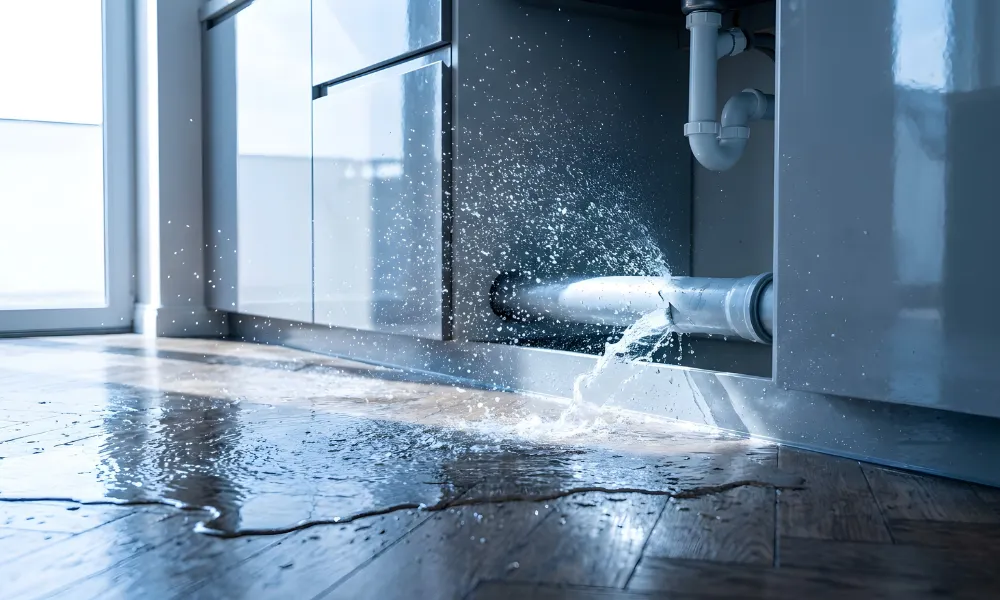
A recent ruling by the Texas Court of Appeals has brought clarity to the often murky waters of contractor roles in insurance claims. The case revolves around a homeowner from Dallas County who accused her restoration contractor of acting as an unlicensed public adjuster following significant storm damage to her home. The court's decision underscores the legal distinctions between contractors and public adjusters, offering critical insights for both homeowners and contractors navigating the complexities of insurance claims.
The situation began on February 18, 2021, when winter storm Uri brought about catastrophic damage to the homeowner's property. With burst pipes flooding her home while she was away in California, the homeowner quickly turned to her insurance policy with Travelers, which provided coverage limits of $197,000 for the dwelling and $98,461 for personal property. In the wake of the disaster, she hired a restoration contractor to address the immediate damage, beginning a series of events that would lead to a contentious legal battle.
The Emergency Work Agreement: A Double-Edged Sword
On March 4, 2021, the homeowner signed an "Emergency Work Agreement & Authorization" with the contractor. This agreement allowed the contractor to perform necessary repairs and explicitly stated that the homeowner would be solely responsible for the total cost of those repairs. It also included a clause that guaranteed payment for any remaining balance should the insurance coverage fall short. Such agreements are not uncommon in the restoration industry, as they provide immediate access to necessary services during crises. However, they also place considerable financial responsibility on the homeowner.
As work progressed, the contractor's repair estimates began to rise sharply, with one version of the estimate reaching $166,300.36. The contractor submitted this estimate to the insurance company, but Travelers denied several line items, leading the homeowner to pay $72,724.59 out of pocket over several weeks. Eventually, the homeowner decided to halt the contractor's work in September 2021 and brought in a public adjuster and another builder to reassess the damage and repair costs.
Legal Challenges: Contractor or Unlicensed Adjuster?
When the contractor billed the homeowner for the remaining balance, she responded by filing a lawsuit against the contractor. Central to her argument was the assertion that the contractor acted as an unlicensed public adjuster, which she believed allowed her to void their contract under Section 4102.051 of the Texas Insurance Code. This statute prohibits anyone from acting as a public adjuster without a license, defining such a role as one that negotiates or settles claims on behalf of an insured.
The court's decision hinged on the actions taken by the contractor during the claims process. While the homeowner argued that the contractor's discussions with Travelers over damage scope and costs constituted adjusting, the court found that the contractor’s actions did not cross the legal threshold into public adjusting. According to the court, a contractor may discuss the scope of repairs and estimated costs with an insurer, but they are prohibited from advocating for the consumer or engaging in discussions about policy coverage and exclusions.
Expert Testimony and Court Findings
To bolster its case, the contractor presented expert testimony from a licensed public adjuster, who confirmed that the contractor's discussions were limited to the scope of work and repair line items—activities that the Texas Insurance Code expressly allows. The trial court found this testimony credible, and the appeals court upheld the trial court's ruling, reiterating that the contractor did not engage in unlicensed public adjusting.
Financial Implications for Homeowners and Contractors
As a result of the ruling, the homeowner was ordered to pay the contractor $60,709.69 for the remaining balance owed. The contractor also sought to reopen the case to prove up an additional $195,966.13 in legal fees, which the court denied, as these fees were raised only after the judgment was rendered. This aspect of the ruling serves as a reminder of the importance of clear communication and agreements around costs in situations involving repairs and insurance claims.
This case highlights several critical takeaways for homeowners and contractors alike:
- Understanding Contracts: Homeowners should thoroughly review contracts and understand their obligations, especially regarding payment responsibilities.
- Clarifying Roles: Contractors must be clear about their roles and responsibilities, particularly when it comes to interacting with insurance companies.
- Expert Guidance: Engaging licensed public adjusters can help homeowners navigate insurance claims and ensure they receive fair settlements.
- Legal Knowledge: Awareness of state insurance regulations can help both parties avoid potential legal pitfalls.

Key Takeaways
- The Texas court ruled that the contractor acted within legal boundaries.
- Homeowners remain responsible for contractual payments, even amid disputes.
- Understanding the role of public adjusters versus contractors is vital.
- Expert testimony can significantly influence court rulings in contract disputes.

Frequently Asked Questions
What is a public adjuster, and how do they differ from contractors?
A public adjuster is a licensed professional who advocates for policyholders during the insurance claim process, helping them negotiate settlements with insurance companies. Unlike contractors, who perform repairs or restoration work, public adjusters focus on assessing damage and ensuring that the claim reflects the true extent of losses. Their role is critical, especially when homeowners face disputes with insurers over coverage or payment amounts.
What should homeowners consider before signing a contract with a contractor?
Before signing a contract, homeowners should carefully review all terms and conditions, including payment obligations, the scope of work, and any clauses related to insurance claims. It is also advisable to confirm the contractor's licensing and insurance status to ensure they comply with state regulations. Seeking advice from a public adjuster can provide additional insights into the implications of the contract.
How can homeowners dispute an insurance claim denial?
Homeowners who face an insurance claim denial should first review the insurer's reasons for the denial and gather any supporting documentation that may counter these claims. Engaging a public adjuster can be beneficial, as they can provide expertise in navigating the claims process and help present a more compelling case to the insurance company. If necessary, homeowners can also appeal the decision directly to the insurance company or seek legal recourse.

What legal recourse do contractors have in disputes over unpaid bills?
Contractors have several avenues for recourse when faced with unpaid bills. They can pursue payment through the court system by filing a lawsuit against the homeowner for breach of contract. Additionally, contractors may seek to place a lien on the property, which can legally compel the homeowner to settle the outstanding debt before selling or refinancing the property. It's essential for contractors to maintain thorough documentation of all agreements and communications to support their claims in such disputes.
Comments
Understanding Water Damage Claims: Prevention and Coverage Insights
Water damage claims are the most frequently denied in homeowners insurance. This article explores how homeowners can mitigate risks and better understand their coverage.

Related articles

Popular in Home Insurance
- 2026 Sees Below-Average Severe Convective Storm Losses: What It Means for Insurance
- El Niño and Wildfires: Preparing for a Fire-Prone Future
- Young Affluent Collectors: The Underinsurance Dilemma in Luxury Investments
- Wisconsin Property Owner Sues City and Insurers Over Contamination Cleanup Costs
- Rising Catastrophe Risks: How Europe’s Insurers Are Adapting to Climate Change