Understanding Water Damage Claims: Prevention and Coverage Insights
Water damage claims are the most frequently denied in homeowners insurance. This article explores how homeowners can mitigate risks and better understand their coverage.
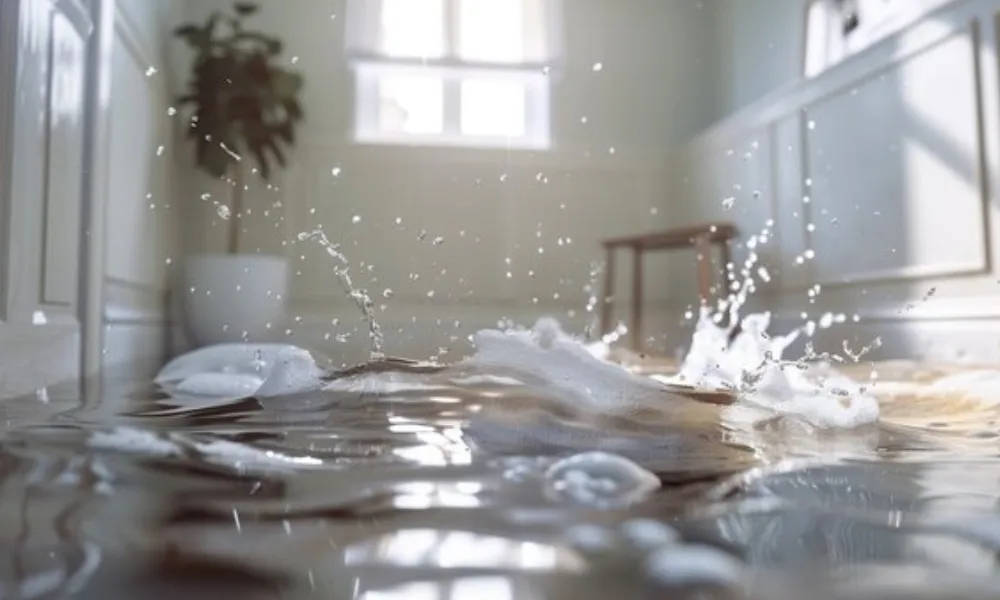
Water damage is a pervasive issue that can lead to significant financial losses for homeowners. With recent findings indicating that water damage claims have the highest denial rate of any homeowners insurance claim, it becomes crucial for homeowners to understand both the risks involved and the preventive measures they can take. According to industry data, approximately 22.6% of all homeowners insurance claims are related to water damage, with the average payout hovering around $15,400. This article delves into the reasons behind these alarming statistics and offers practical advice for homeowners and insurance agents alike.
The Importance of Home Maintenance
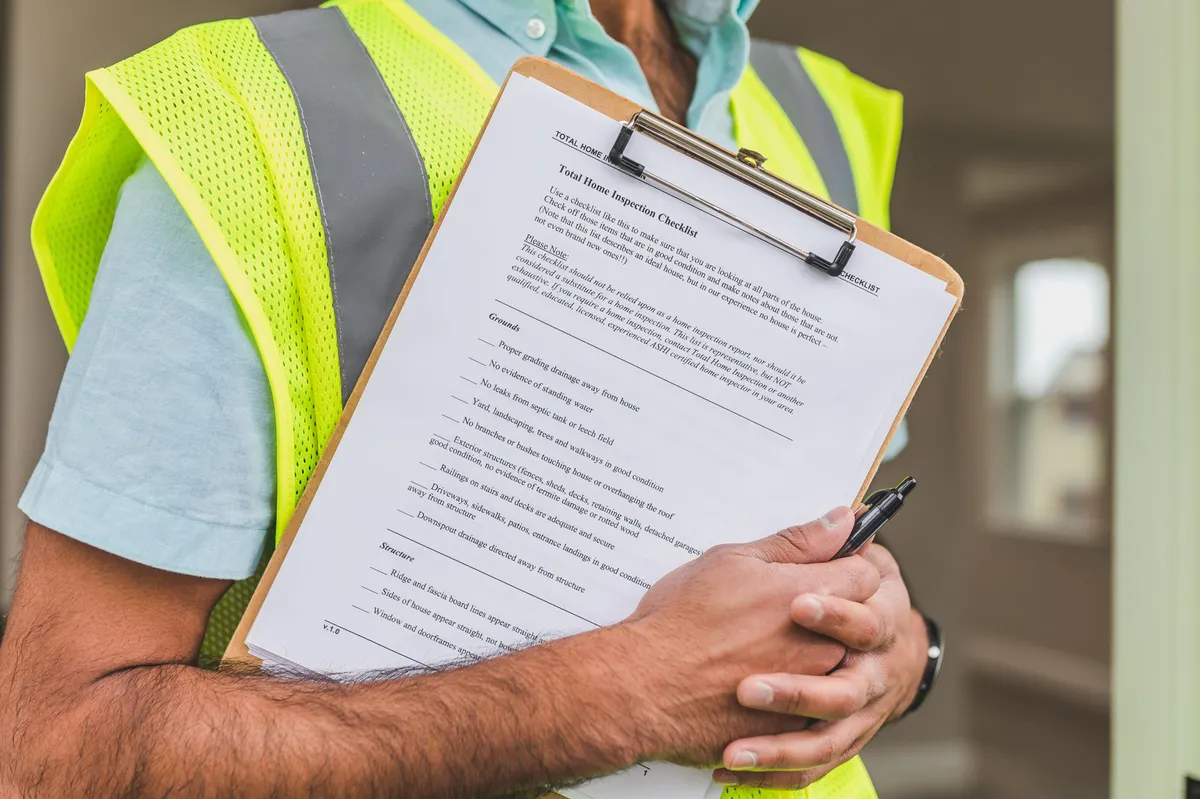
Mercury Insurance has recently urged homeowners to prioritize routine maintenance to avoid escalating problems that can lead to costly insurance claims. Adam Bakonis, the director of homeowner product management at Mercury, emphasized the importance of addressing minor issues before they evolve into extensive damage. “Home maintenance is easy to postpone because many problems don't look serious when they first appear,” Bakonis commented. “The problem is that water and weather can continue causing damage in places homeowners may not see.”
Common Vulnerabilities
Homeowners should keep an eye on several maintenance issues that can lead to water damage:
- Roof shingles that are cracked or missing
- Plumbing leaks, including dripping faucets or pipes
- Clogged gutters
- Cracked caulk around windows and doors
- HVAC system upkeep
- Overhanging branches that can damage roofs during storms
Each of these maintenance points represents a potential failure in the insurance coverage boundary. Standard homeowners policies typically cover sudden and accidental water damage, like a burst pipe, but they exclude damages from gradual leaks or insufficient maintenance. Understanding this distinction is critical for homeowners.
Claims Denial: A Growing Concern
The Insurance Information Institute (III) reports a concerning trend: water damage claims are not only frequent but also carry the highest denial rate of approximately 10%. Many of these denials stem from a contentious distinction between sudden and gradual damage. Homeowners often believe that any water damage should be covered, while insurance adjusters might classify the same incident as a result of neglect or gradual deterioration.

Understanding Gradual vs. Sudden Damage
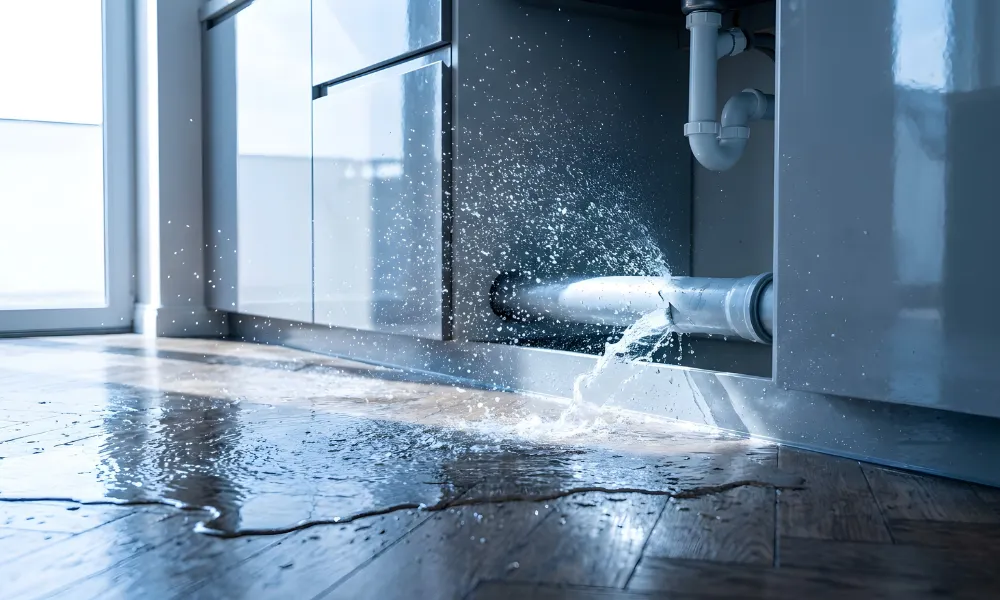
The crux of many disputes lies in the interpretation of what constitutes sudden versus gradual damage. For example, a homeowner may notice a small leak from a pipe and fail to address it promptly. If that leak eventually causes significant damage, the insurance company may deny the claim, arguing that the damage was due to the homeowner's negligence in maintaining their property. Conversely, if a pipe bursts unexpectedly due to freezing temperatures, that sudden event would typically be covered.
The Legal Landscape of Water Damage Claims
Issues surrounding water damage claims also lead to litigation. In one notable case from Pennsylvania, a couple sued their insurer after a water supply line failure was classified as vandalism, leading to a claim denial based on a vacancy exclusion. Another case in Florida resulted in an appeals court siding with an insurer that denied a claim reported nearly two years post-loss due to wear and tear exclusions and a prompt-notice requirement. These cases illustrate the complexities of water damage claims and how easily misunderstandings can lead to denied claims and legal battles.
Agent Responsibilities
For insurance agents, Mercury's maintenance checklist should serve as a conversation starter with clients about coverage risks. Agents can help clients understand the nuances of their policies and the importance of timely maintenance. A home that has sustained damage from a known leak is far more likely to result in a denied claim than a home that has suffered an unexpected plumbing failure. By educating clients about what constitutes a covered loss, agents can mitigate the risk of future disputes and protect themselves from potential errors and omissions (E&O) claims.
Best Practices for Homeowners
Homeowners should take proactive steps to minimize their risk of water damage claims:
- Conduct regular inspections of roofs, gutters, and plumbing systems.
- Address any signs of leaks or water damage immediately.
- Keep detailed records of maintenance and repairs.
- Understand the specific wording of their insurance policy, particularly the exclusions related to water damage.
- Maintain open lines of communication with their insurance agent about any concerns.
Key Takeaways
- Water damage claims have the highest denial rate among homeowners insurance claims.
- Routine maintenance can prevent issues that lead to denied claims.
- Understanding the difference between sudden and gradual damage is critical for homeowners.
- Insurance agents play a key role in educating clients about their coverage and risks.
- Proactive measures can help mitigate potential water damage and claims disputes.
Frequently Asked Questions
What types of water damage are typically covered under homeowners insurance?
Homeowners insurance generally covers sudden and accidental water damage, such as a burst pipe or an overflowing bathtub. However, it typically excludes damage caused by long-term leaks, seepage, or lack of maintenance. Homeowners should carefully read their policies to understand the specific coverage details and exclusions.
How can homeowners prevent water damage in their homes?
Regular maintenance is key to preventing water damage. Homeowners should inspect their roofs, gutters, plumbing, and appliances for any signs of wear or malfunction. Additionally, ensuring proper drainage around the home and addressing any potential hazards, such as overhanging branches, can help protect against water damage.
What should I do if my water damage claim is denied?
If a water damage claim is denied, homeowners should first review their policy to understand the reasons for the denial. They can then consider appealing the decision by providing additional documentation or evidence that supports their claim. In some cases, seeking legal advice may also be beneficial, especially if there are grounds for a dispute.
Can maintenance issues lead to increased insurance premiums?
Yes, maintenance issues can potentially lead to increased insurance premiums. Insurers may view properties with a history of maintenance neglect as higher risks, which can result in higher premiums. By maintaining their property and addressing issues promptly, homeowners can often benefit from lower insurance rates over time.
Comments
Texas Court Ruling: Contractor Not an Unlicensed Adjuster in Insurance Case
A Texas homeowner's case against her contractor highlights the legal boundaries between construction work and insurance adjusting. The court ruled in favor of the contractor, affirming actions taken during a storm damage claim.
Related articles

Popular in Home Insurance
- 2026 Sees Below-Average Severe Convective Storm Losses: What It Means for Insurance
- El Niño and Wildfires: Preparing for a Fire-Prone Future
- Young Affluent Collectors: The Underinsurance Dilemma in Luxury Investments
- Wisconsin Property Owner Sues City and Insurers Over Contamination Cleanup Costs
- Rising Catastrophe Risks: How Europe’s Insurers Are Adapting to Climate Change