Extreme Weather Events: Texas Floods, Canadian Smoke, and Western Heat Threaten Lives and Infrastructure
Severe weather events across the U.S. are causing widespread disruption, from Texas floods to Canadian wildfire smoke and extreme heat in the West. This article explores the implications for residents, businesses, and emergency services, providing essential insights into navigating these challenges.
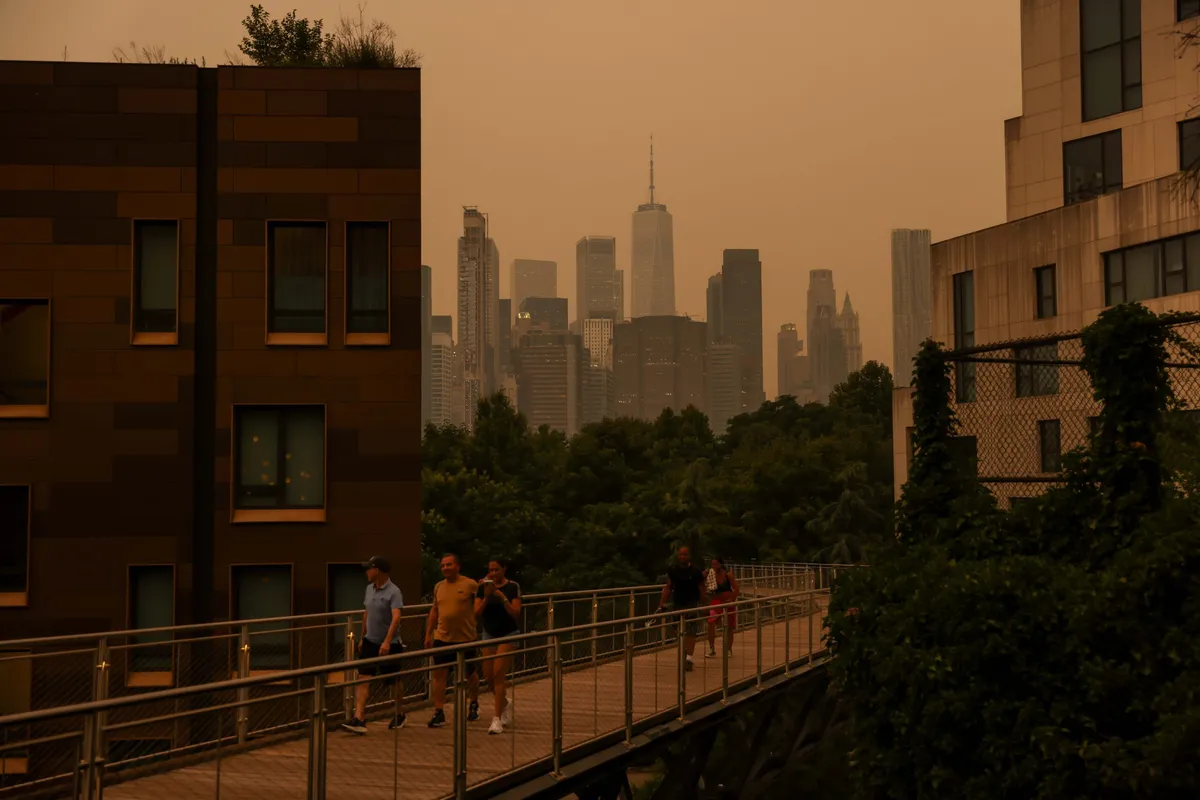
The landscape of the United States is currently under siege from a trifecta of extreme weather phenomena that threaten lives, property, and infrastructure. In Texas, torrential rains have led to catastrophic flooding, displacing residents and straining emergency resources. Meanwhile, smoke from raging wildfires in Canada has cast a pall over large swaths of the Midwest and Northeast, affecting air quality and public health. In the West, a relentless heat wave continues to exacerbate wildfire risks, raising alarms across several states. As these events unfold, understanding their implications is crucial for residents and businesses alike.
As of mid-July 2026, more than 75 individuals have been rescued from rising floodwaters in Texas, where up to 9 inches of rain fell within a matter of hours. Governor Greg Abbott declared a disaster in 59 counties, mobilizing over 1,300 emergency responders to assist in rescue operations and provide relief to those affected. “We are dealing with and responding to a flood that is likely going to break records in Texas history,” said Abbott during a press briefing. The phrase 'record-breaking' is no exaggeration; the frequency and intensity of storms have escalated in recent years, forcing communities to adapt to a new normal.
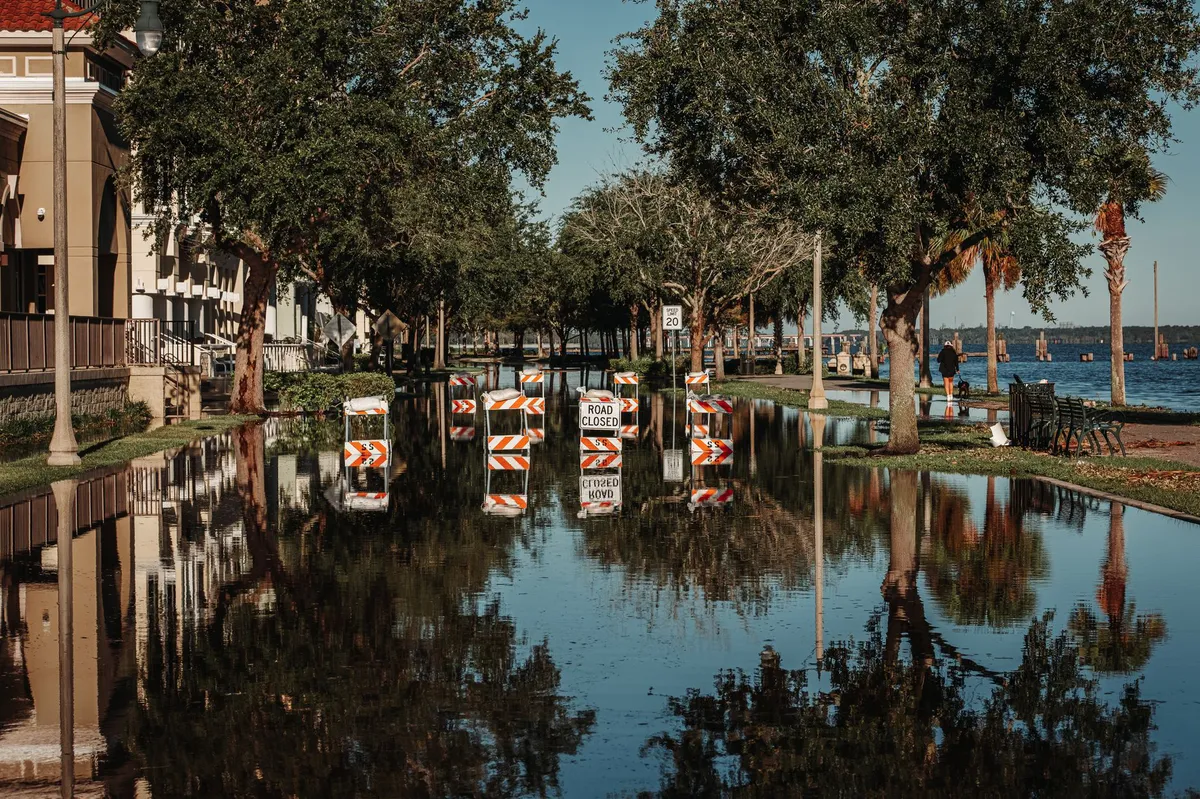
Understanding the Texas Flooding Crisis
The Texas floods serve as a stark reminder of the dangers posed by severe weather. Flooding not only endangers lives but also causes significant economic damage. Homes, businesses, and crucial infrastructure can be severely compromised, leading to costly repairs and prolonged disruption. In the wake of such disasters, insurance plays a pivotal role in recovery. Homeowners in flood-prone areas are often encouraged to invest in flood insurance, which is separate from standard homeowners’ policies.
Insurance Considerations for Flooding
Flood insurance can be a lifeline for homeowners in affected areas. However, many are unaware that it typically comes with a waiting period—often 30 days—before coverage becomes effective. This means that proactive planning is essential. In addition to flood insurance, it's vital for residents to evaluate their policies regularly to ensure they are adequate for their current situation, especially as climate change continues to influence weather patterns.
The Impact of Canadian Wildfire Smoke
While Texas struggles with floods, smoke from hundreds of wildfires in Canada is enveloping the skies from Minnesota to Massachusetts. The air quality in many urban centers, including New York and Detroit, has reached alarming levels, with reports indicating it is among the worst globally. Major cities are under air quality alerts, highlighting the health risks associated with prolonged exposure to wildfire smoke, including respiratory issues and other health complications.
Health Risks and Precautions
For residents in affected areas, there are several critical steps to mitigate health risks associated with poor air quality:
- Stay indoors as much as possible, especially during peak smoke hours.
- Use air purifiers to improve indoor air quality.
- Monitor local air quality reports and heed warnings from health officials.
- If you must go outside, wear masks rated for smoke protection, such as N95 masks.
Being proactive in these situations can mean the difference between health and illness, especially for vulnerable populations such as children and the elderly.
Western Heat and Wildfire Risks
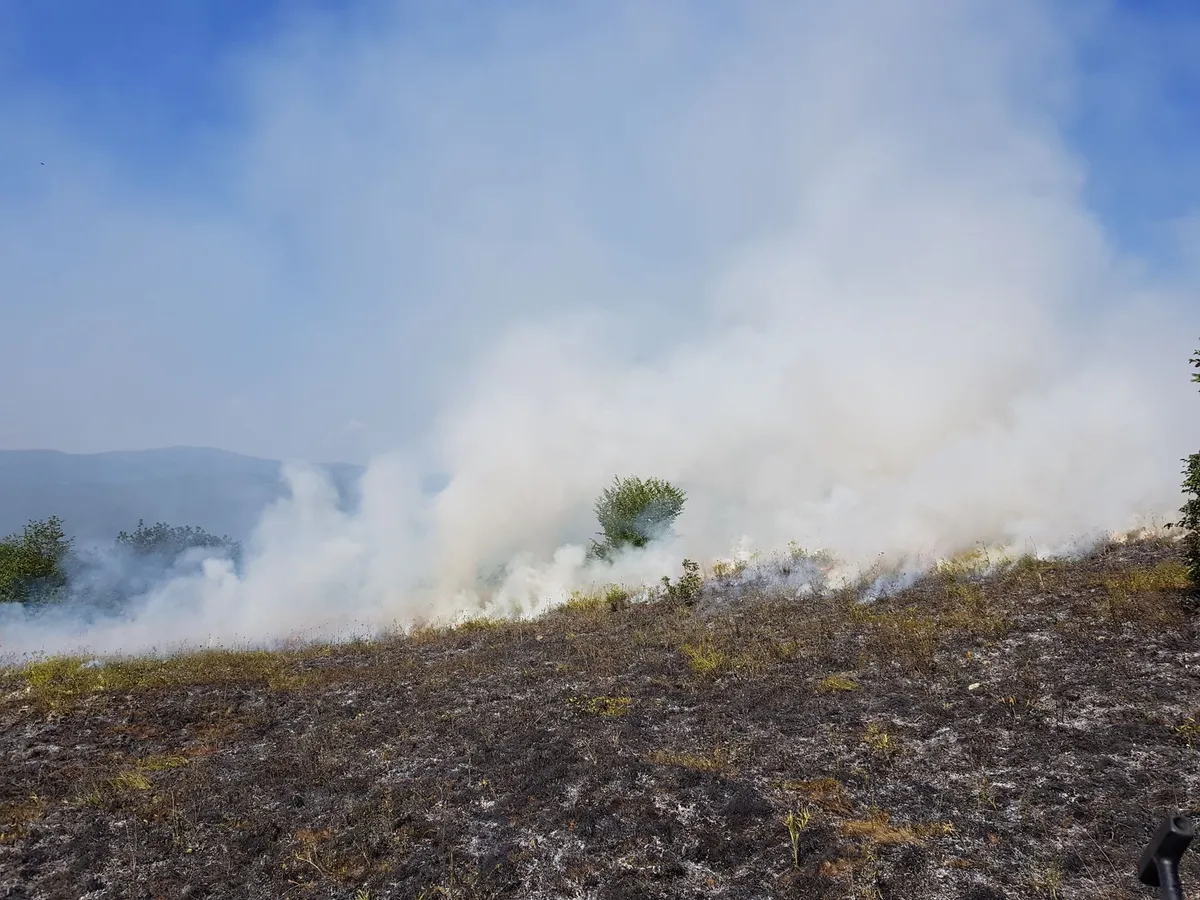
As the Midwest grapples with smoke, the Western U.S. faces extreme heat that elevates the risk of wildfires. This summer has seen temperatures soar in states like California, where a Level 1 fire-weather risk has been declared, signaling a critical risk for fire outbreaks. Currently, California has 13 active wildfires, with the largest—the Elephant Fire—burning over 13,000 acres and only 31% contained.
Preparing for Wildfire Season
Wildfire preparation is essential for residents in high-risk areas. Here are some measures to consider:
- Create a defensible space around your home by clearing away flammable vegetation.
- Have an evacuation plan in place, including a designated meeting area for family members.
- Stay informed about local fire conditions and adhere to any evacuation orders.
Insurance also plays a critical role in wildfire preparedness. Homeowners should ensure that their policies include adequate coverage for wildfire damage, as standard homeowners’ insurance may not cover all losses.
The Strain on Energy Infrastructure
The combination of flooding, smoke, and heat has placed immense strain on the country's energy infrastructure. In regions affected by extreme heat, power grids are under pressure to meet rising electricity demands as residents rely on air conditioning to cope with soaring temperatures. This has led to alerts from grid operators, warning of potential energy emergencies, which may include rotating outages if demand continues to exceed supply.
Understanding Energy Alerts
Energy emergencies are classified into levels, with Level 2 alerts indicating significant strain on the grid and the potential for rolling blackouts. Residents should be aware of these alerts, as they can impact daily life. To conserve energy during peak times, consider:
- Setting thermostats to a higher temperature when at home.
- Using energy-efficient appliances and light bulbs.
- Limiting the use of large appliances during peak hours.
By being proactive about energy use, individuals can help alleviate some of the pressures on the grid while also reducing their utility bills.
Key Takeaways
- The Texas floods have led to significant rescues and a disaster declaration across multiple counties.
- Canadian wildfire smoke is severely impacting air quality in several U.S. cities, posing health risks.
- Western states face extreme heat and wildfire risks as energy infrastructure strains under demand.
- Proactive measures in insurance, health, and energy use can mitigate risks and enhance safety.
Frequently Asked Questions
What should I do if I am affected by flooding?
If you are in a flooded area, prioritize safety. Evacuate if advised by local authorities and seek higher ground. Document damage for insurance purposes and contact your insurance provider as soon as it is safe to do so. Flood insurance claims can take time, so acting quickly is essential.
How can I protect my health from wildfire smoke?
To protect your health from wildfire smoke, limit outdoor activities, use air purifiers indoors, and stay updated on air quality reports. If you experience symptoms such as coughing or difficulty breathing, consult a healthcare provider. Vulnerable populations should take extra precautions.
What can I do to prepare for wildfires in my area?
Preparing for wildfires includes creating defensible space around your property, having an evacuation plan, and staying informed about fire conditions. Regularly review your insurance coverage to ensure it adequately protects against wildfire damage.
How can I reduce my energy use during heat waves?
To reduce energy use during heat waves, set your thermostat higher, use ceiling fans, and limit the use of large appliances during peak hours. Simple actions can help conserve energy and reduce the strain on power grids.
Comments
The Insured Collector: Why Young Luxury Buyers Are Overlooking Coverage
A new Chubb study reveals that while young luxury collectors view their acquisitions as investments, a significant number remain uninsured. This gap points to misconceptions about insurance adequacy and highlights the need for education on valuable item protection.

Related articles


Popular in Home Insurance
- 2026 Sees Below-Average Severe Convective Storm Losses: What It Means for Insurance
- El Niño and Wildfires: Preparing for a Fire-Prone Future
- Young Affluent Collectors: The Underinsurance Dilemma in Luxury Investments
- Wisconsin Property Owner Sues City and Insurers Over Contamination Cleanup Costs
- Rising Catastrophe Risks: How Europe’s Insurers Are Adapting to Climate Change